Ecoline Exim Ltd H1 FY26 – ₹143.8 Cr Revenue, ₹12.9 Cr PAT, 6.29 EPS: When Cotton Bags Start Printing Cash
1. At a Glance – The Eco-Friendly Export Machine Wearing a Balance Sheet
Ecoline Exim Limited is that rare SME which actually does what its name claims—eco plus export—and somehow manages to make money while doing it. As of today, the company sits at a market cap of roughly ₹267 crore with a stock price hovering around ₹130, politely correcting itself after IPO excitement. The business is a 100% export-oriented unit shipping cotton and jute bags across 27+ countries, mainly Europe and the US, where plastic bags are treated like social crimes. The latest Half Yearly Results (H1 FY26) show revenue of ₹139 crore for the September 2025 half, PAT of ₹12.9 crore, and an EPS of ₹6.29. Annualise that EPS (yes, half-yearly means ×2, not jugaad ×4) and you land near ₹12.6, giving a P/E that looks far more sober than many ESG buzzword merchants. Operating margins sit around 11%, debt is manageable at ₹46 crore, and promoters hold a chunky 73.6%, clearly not in a mood to exit quietly. This is not a meme stock; it’s a cotton bag factory that accidentally wandered into the equity market.
2. Introduction – From “Plastic is Banned” to “Profits are Packed”
Ecoline Exim was incorporated back in 2008, long before sustainability became a LinkedIn headline and before every FMCG brand pretended to care about the planet. The company quietly built expertise in manufacturing cotton and jute-based packaging bags for export markets where compliance, certifications, and audit trails matter more than jugaad pricing.
What makes Ecoline interesting is timing. The global shift away from single-use plastics isn’t new, but it has moved from policy talk to procurement reality. European supermarkets, retail chains, and promotional companies don’t want excuses anymore—they want certified, traceable, sustainable alternatives. Ecoline sits right there with GOTS-certified organic cotton, Fairtrade-certified products, recycled cotton under GRS, and good old jute bags that your grandmother would approve of.
The IPO in September 2025 brought the company into public markets with ₹72.5 crore raised, largely to fund expansion. Since listing, the stock has cooled off slightly, which is normal once reality replaces roadshow poetry. But operationally, the company continues to scale volumes, add capacity, and lock in repeat customers. The question is not whether cotton bags are a fad—it’s whether Ecoline can keep margins intact while scaling like a textile exporter without losing its sanity. Ready to open the bag and check what’s inside?
3. Business Model – WTF Do They Even Do?
Imagine explaining Ecoline to a lazy but smart investor over cutting chai.
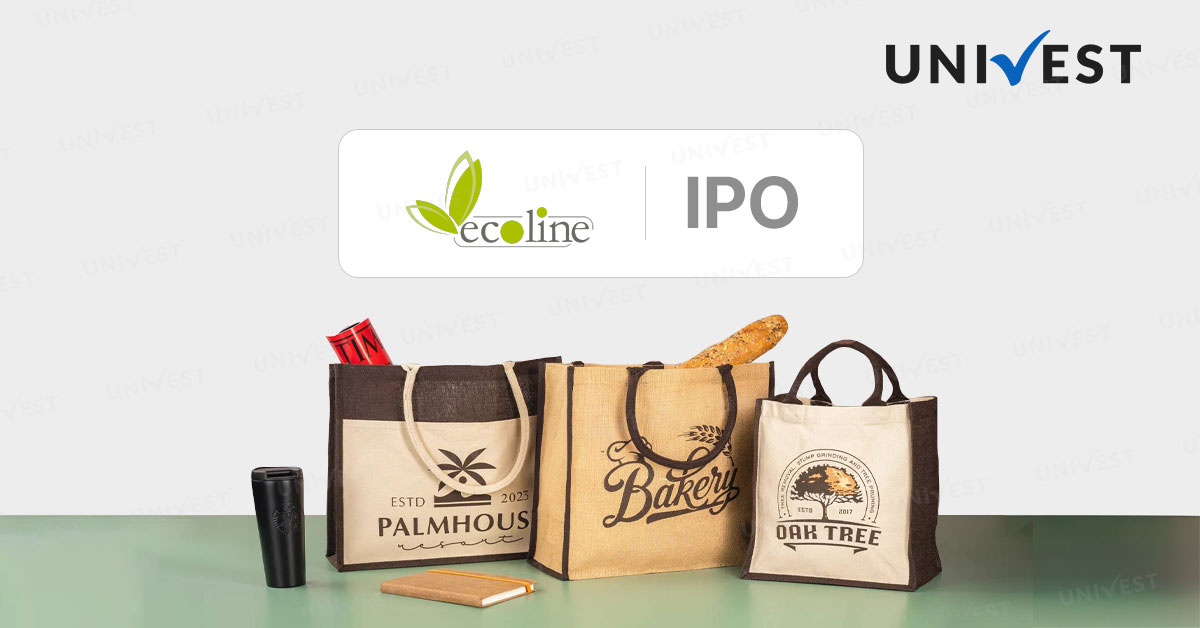
They manufacture bags. Not luxury handbags, not fashion nonsense—functional, promotional, and regulatory-compliant cotton and jute bags. These are used by supermarkets, retailers, wholesalers, and promotional agencies who slap logos on them and distribute them to customers who feel environmentally superior while carrying groceries.
The business runs on:
Bulk export orders
Repeat clients
Compliance-heavy markets
Ecoline operates three manufacturing units:
Barasat (West Bengal)
Badu Unit II (West Bengal)
Ahmedabad Unit I (Gujarat)
Installed capacities are already high, with utilisation hovering between 86% and 90% across cutting, printing, stitching, and packaging. That’s factory-speak for: “Boss, aur jagah chahiye.”
The customer mix is tilted heavily toward functional buyers (83.3%), meaning steady volumes, fewer fashion tantrums, and longer contracts. Promotional buyers make up 16.7%, which adds margin spice but also volatility.