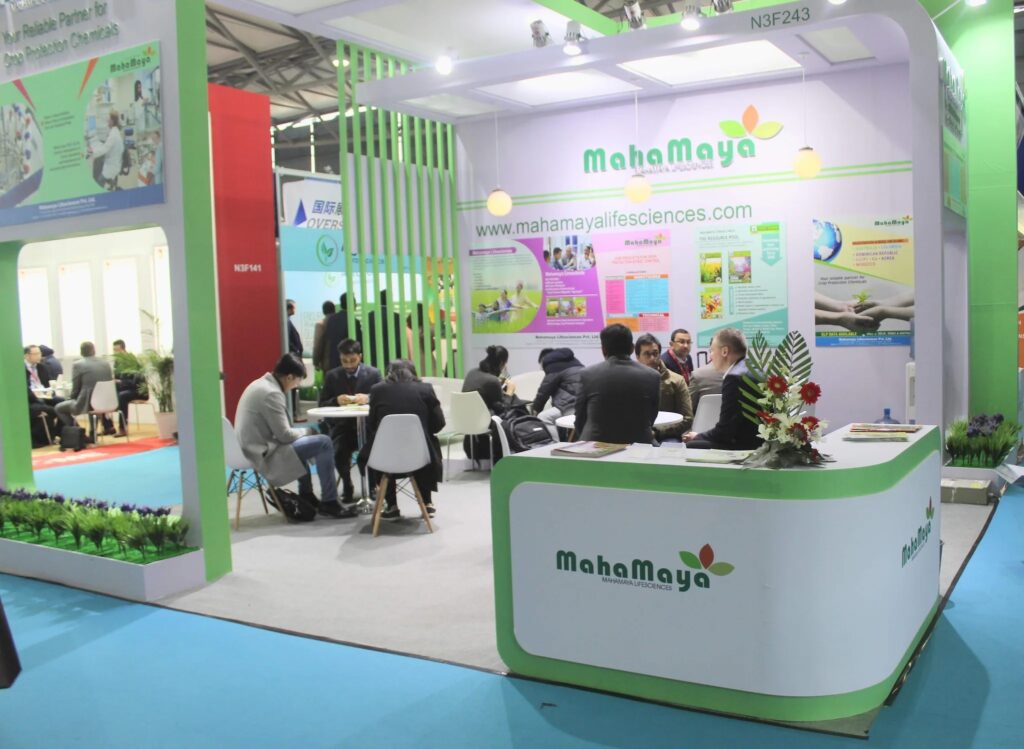
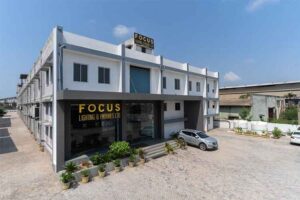
Mahamaya Lifesciences Ltd is that new kid in the agrochemical mohalla who just cleared prelims, mains, and interview in one shot and is now flexing a shiny SME listing badge. Listed in November 2025, market cap sitting around ₹460 Cr, stock hovering near ₹197, and suddenly everyone’s asking, “Bhai yeh kaun hai?”
Half-year FY26 numbers say sales of ₹163 Cr, PAT of ₹8.37 Cr, and EPS of ₹4.71 for six months. Annualised EPS? Hold that thought, we’ll get there legally, methodically, and without jugaad. ROE at a spicy 34.9%, ROCE 25.9%, and sales growth TTM of 63.5%. On paper, this company looks like it drank the entire pesticide it sells.
But then you peek under the hood: debtor days creeping up to 67, inventory days stretching to 167, cash flows behaving like they forgot their wallet at home. Debt stands at ₹68 Cr, debt-to-equity at 1.18, current ratio barely breathing at 1.18.
So what is Mahamaya? A fast-growing agrochemical formulations player with solid margins, expanding capacity, heavy working capital appetite, and IPO money still warming up. Is this a disciplined operator or just another “growth hai toh sab maaf” story? Chal, detail mein ghuste hain.
2. Introduction – Welcome to the Crop Protection Circus
Indian agrochemicals is a sector where farmers want miracles, regulators want paperwork, and companies want margins without getting banned. Into this chaos walks Mahamaya Lifesciences, incorporated in 2002, quietly building a formulations-and-registrations-focused business long before it became fashionable.
Unlike the glamorous innovators chasing patented molecules, Mahamaya plays the middle game. Import molecules, secure registrations from the Central Insecticides Board, formulate them nicely, slap either bulk labels or their own brands, and sell them to domestic agro majors and multinational clients. Simple? On paper, yes. Execution? That’s where most people mess up.
For over two decades, this company stayed unlisted, ran operations, expanded registrations, and built relationships. Then suddenly in Nov 2025, it knocked on Dalal Street’s door, raised ₹67 Cr via IPO, and said, “Main bhi equity market ka hissa hoon.”
The timing was interesting. Agrochemicals as a sector was already volatile. Raw material prices fluctuate, regulatory bans appear overnight, and farmer demand depends on rainfall, government subsidies, and political mood swings. Yet Mahamaya showed strong growth: FY25 sales of ₹264 Cr, PAT of ₹12.9 Cr, and half-year FY26 already clocking ₹163 Cr revenue.
But growth stories are easy to sell. Sustainability is harder. Does Mahamaya have pricing power? Can it reduce import dependence? Will technical manufacturing actually improve margins or just increase capex headaches? And most importantly, can cash flow ever match reported profits?
Before we start worshipping or roasting, let’s understand what this company actually does when it wakes up every morning.
3. Business Model – WTF Do They Even Do?
Imagine Mahamaya Lifesciences as a chef who doesn’t grow vegetables but knows exactly where to source them, how to cook them, and which customer likes how much masala.
The company operates primarily in pesticide formulations. It imports scientifically researched molecules, gets them registered in India (which itself is a bureaucratic Olympic sport), and then formulates them into bulk or branded products. These are sold to Indian agrochemical companies and global MNCs who either don’t want manufacturing headaches or want to outsource formulations.
Their revenue streams include bulk formulations, technical-grade sales, branded domestic products, and a small export book. Bulk formulations include molecules like Acetamiprid, Imidacloprid, Emamectin Benzoate, Paraquat Dichloride – basically names that sound dangerous because they are.
Technical sales involve high-purity actives like Acetamiprid Technical 99% and Atrazine Technical 95%. Branded products like MAYAMRIT, MAYAGIBB, and UCHIT are sold through dealer networks across major agri states.
What’s impressive is the registration portfolio: 136 insecticides, 71 fungicides, 58 herbicides, plus bio-products. Registrations are expensive, time-consuming, and sticky. Once you have them, competitors can’t just copy-paste overnight.
Manufacturing happens at Dahej, Gujarat, with solid and liquid formulation capacities already in place. Expansion plans include technical manufacturing to reduce import dependence. Translation: better margins, more control, but also higher execution risk.
So Mahamaya isn’t innovating molecules. It’s industrialising access to them. That’s not sexy, but it’s profitable when done right. Question is: can they scale without choking on working capital?
4. Financials Overview – Numbers Bolte Hain
Result Type Lock: The latest official announcement clearly states “Half Yearly Results – September 2025”. Hence, this is HALF-YEARLY RESULTS, locked. Annualised EPS = Latest EPS × 2
Half-Year Financial Comparison (₹ Cr)
Metric
Latest H1 FY26
H1 FY25
Previous Period
YoY %
QoQ %*
Revenue
163
146
NA
11.7%
NA
EBITDA
15
13
NA
~15%
NA
PAT
8.37
7.25
NA
15.4%
NA
EPS (₹)
4.71
4.08
NA
15.4%
NA
*QoQ not applicable due to half-year reporting.
Annualised EPS (Educational): ₹4.71 × 2 = ₹9.42
Commentary time: Revenue up double digits, margins stable at ~9% OPM, PAT growing slightly faster than sales. This is not explosive growth but clean, controlled expansion. No drama, no shockers. But half-year numbers don’t show seasonality