1. At a Glance – Punjab Se Power Dressing, Balance Sheet Se Muscle Flex 💪
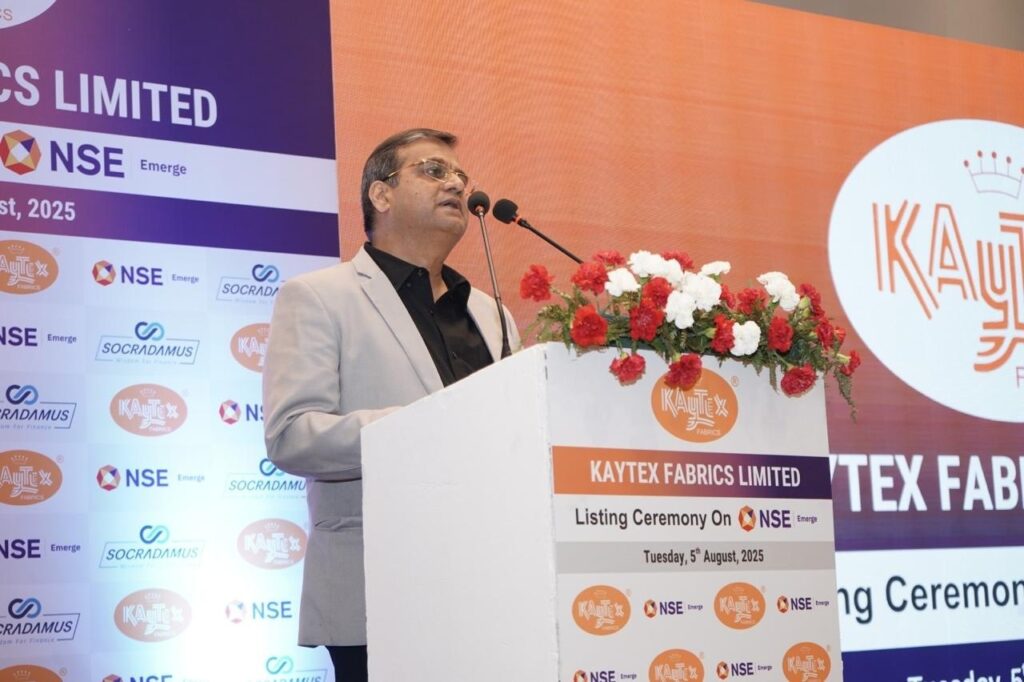
Kaytex Fabrics Ltd is that rare SME stock which looks like it accidentally wandered into the value investing party wearing designer ethnic wear. Market cap of roughly ₹110 crore, stock price hovering around ₹75, a trailing P/E of just about 6, ROE north of 40%, ROCE of ~33%, and operating margins flirting with 20% — yeh sab dekh ke lagta hai kisi ne galti se textile company ko private equity ke numbers de diye. Three-month return? A brutal -28.9%, which means Mr. Market recently lost faith faster than a Delhi wholesaler cancelling an order after Diwali. Yet, under the hood, the company just posted ₹8.6 crore PAT in the latest half-year, sales of ~₹75 crore for the period, and continues to dominate its home turf of Punjab like butter chicken dominates wedding menus. IPO was just in August 2025, promoters still own ~74%, debt is present but manageable, and the business spans digital printing, jacquards, and women’s fashion products. Basically, Kaytex is cheap, profitable, regional, and slightly ignored — which makes it either a hidden gem or a future case study titled “Cheap Stocks Are Cheap For A Reason.” Curious already?
2. Introduction – Fabric Ki Dukaan, Numbers Ka Dangal 🧵📊
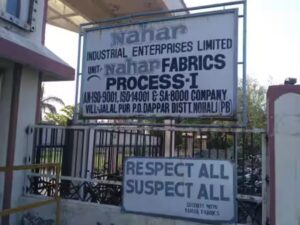
Kaytex Fabrics Ltd was incorporated back in 1996 — matlab yeh company has survived more fashion cycles than most Instagram influencers. Bell bottoms, salwar suits, skinny jeans, co-ord sets — Kaytex ne sab dekha hai, sab jhela hai. Today, it positions itself as a fast-fashion fabric solutions and manufacturing company, blending technology (read: digital printing machines), design sensibility, and good old Punjabi textile hustle.
The company is based in Punjab and largely sells to North India, especially rural and semi-urban markets. This is not Zara. This is not H&M. This is “shaadi season, festive demand, and wholesale traders calling at 6 AM” type business. Kaytex supplies fabrics, ready-to-stitch suits, shawls, stoles, and women’s fashion products to brands, wholesalers, and under its own in-house labels.
What makes Kaytex interesting is not just what it sells, but how it sells — brand partnerships, own brands like Rasiya, Kaytex, Darbaar-e-Khaas, and non-branded bulk sales. Add to that a recent IPO, capacity expansion announcements, and numbers that look unusually good for an SME textile name… and suddenly you’re paying attention.
But pause for a second — textiles is a brutal business. Cyclicality, working capital stress, fashion risk, price wars. So the real question is: Is Kaytex a disciplined fabric manufacturer or just riding a lucky fashion wave? Chalo, stitch by stitch kholte hain.
3. Business Model – WTF Do They Even Do? 🤨🧶
Imagine you’re a North Indian apparel brand owner. You don’t want to invest in looms, printers, designers, inventory, and trend forecasting. You just want good fabric, trendy designs, on time, at the right price. Enter Kaytex Fabrics.
Kaytex operates across three broad business segments:
a) Brand Partnerships
This is the “backend brain” role. Kaytex supplies trend-based fabrics and designs to apparel brands, letting them focus on sales and branding while Kaytex does the dirty work — sourcing yarn, printing, weaving, processing. Infrastructure + design capability = steady B2B orders.
b) Own Brands
Kaytex runs its own labels — Rasiya, Kaytex, and Darbaar-e-Khaas — primarily targeting Tier-2 and Tier-3 cities in North India. Products include ready-to-stitch suits, co-ord sets, shawls, scarves, and stoles. These are fashion products, but not runway fashion — more like “value-for-money festive wear.”
c) Non-Branded Sales
Bulk buyers, wholesalers, retailers who don’t care about labels — just price and supply reliability. Lower margins, higher volumes, but helps keep machines running.
On the manufacturing side, Kaytex handles everything from yarn sourcing to finished fabric. It works with cotton, viscose, modal, acrylic, nylon, linen, polyester — basically, agar kapda hai, Kaytex ne try kiya hoga. Digital printing is a major focus, enabling custom designs and faster trend turnaround.
So the model is simple: Own manufacturing + diversified sales channels + regional dominance. Simple models are good. Simple models executed well are rare. Kaytex claims to be doing the latter.
4. Financials Overview – Numbers Jo Suit Silwa Dein 📐💸
Before we jump in, important lock-in rule: The latest result header clearly states “Half Yearly Results”. So EPS annualisation = Latest EPS × 2. Lock kar diya. Aage koi confusion nahi.
Half-Yearly Performance Table (Figures in ₹ Crore, EPS in ₹)