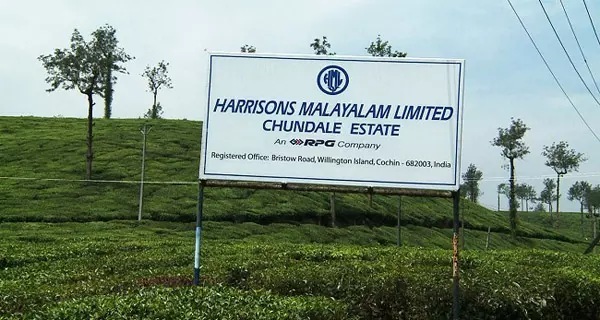
Harrisons Malayalam Ltd Q2/H1 FY26 – Tea Hot, Rubber Cold, and Kerala Politics Brewing on the Side
1. At a Glance
If there were a “Plantation Universe” reality show, Harrisons Malayalam Ltd (HML) would be the dramatic contestant who’s perpetually caught between monsoons, government bans, and commodity prices that refuse to cooperate. Incorporated in 1978 and now part of the RP-Sanjiv Goenka Group, HML cultivates tea and natural rubber across South India like it’s playing Farmville IRL—but with less fun and more litigation.
As of December 2, 2025, the stock closed at ₹171, nursing a -33.8% fall over the last year. Market cap stands at ₹315 crore, P/E a modest 11x, and the Book Value sits at ₹89.2. The company posted Q2 FY26 consolidated sales of ₹134 crore and PAT of ₹6.42 crore, which means profit jumped 56% QoQ while sales dipped a tiny -2.11%. The OPM (Operating Profit Margin) refuses to sit still—it’s like a yo-yo between -0.3% and 9.7% depending on the quarter. Debt stands at ₹114 crore, making the debt-to-equity ratio 0.69, a bit on the heavier side for a plantation player.
ROE of 9.5% and ROCE of 11%—respectable, but not exactly chai-splashing numbers. Yet, the company’s survival through land disputes, weather tantrums, and even a BSE fine of ₹2,000 (yes, literally) shows HML’s unique mix of resilience and comic timing.
2. Introduction
When your main raw materials are rain and rubber, volatility isn’t just a market word—it’s a lifestyle. Harrisons Malayalam Ltd (HML), a plantation veteran, has seen everything from rubber bans to Supreme Court verdicts to pineapple barters in rubber estates. Yes, they literally allow vendors to plant pineapples in exchange for rubber crop maintenance. That’s Kerala-level jugaad economics.
HML’s story isn’t one of startup-style disruption—it’s old-school sweat, soil, and spreadsheets. They’ve got 13 tea estates spread across Kerala and Tamil Nadu, producing everything from CTC to orthodox, green, and even white tea (for that one friend who drinks it with lemon and judgment). Alongside, 11 rubber plantations tap the latex veins of Kerala’s heartland.
Yet, the plantation life isn’t rosy. Kerala’s tree-felling ban crippled replantation cycles, labour costs refused to chill, and monsoons decided to freestyle their schedule. The company even had to go all the way to the Supreme Court just to replace old rubber trees. The verdict came in their favour, proving once again that in India, even growing rubber might need judicial intervention.
Despite all this drama, HML clocked FY25 sales of ₹530 crore and PAT of ₹28.8 crore, keeping itself in the green—literally and financially.
Tea Business (46% of FY23 revenue): Spread over 6,084 hectares, these estates brew up about 23 million kg of tea annually. The production includes CTC, orthodox, green, and white teas. HML sells both from its own gardens and from bought-leaf operations—basically, sourcing tea leaves from local farmers, processing them, and selling at scale. Average tea realization stood at ₹148.69/kg in FY23, which makes one wonder how it’s still cheaper than Starbucks water.
Rubber Business (54% of FY23 revenue): With 7,354 hectares under rubber, this side of business is equally crucial. Rubber output was 6,624 MT from own gardens plus 5,495 MT from bought-in operations. Average realization at ₹166.04/kg gives them some cushion, but aging trees and Kerala’s tree-felling restrictions have hampered yield. The company even mentioned replantation delays due to government orders—a very “bureaucracy meets botany” situation.
Minor Crops: Pineapple, pepper, and cardamom play the side characters. The barter pineapple arrangement is iconic—it’s the plantation equivalent of renting out your garage to fund your startup.
All in all, the company’s income tree stands on two main branches—tea and rubber—with a few spicy fruits hanging in between.