Ludlow Jute & Specialities Ltd Q2 FY26 – From Jute Bags to Drama Bags: ₹135 Cr Sales, 295% Profit Jump, But Still Tied Up in Twine
1. At a Glance
Ah, Ludlow Jute — the century-old jute warrior from Howrah that refuses to retire quietly. Incorporated in 1921, this company is older than most of our politicians’ favourite excuses. Fast forward to Q2 FY26, and Ludlow has posted a sales figure of ₹135 crore and a PAT of ₹6.86 crore, marking a massive 295% profit growth YoY.
The stock trades at ₹315 with a market cap of ₹339 crore, carrying a P/E of 30.1x— which makes it pricier than your eco-friendly jute shopping bag. The book value stands at ₹167, and ROE at -6.34% (yes, even profit doesn’t guarantee equity love in Ludlow-land). With a Debt-to-Equity ratio of 0.83, Ludlow isn’t debt-free, but at least it’s not jute-strapped.
Despite delivering 67.8% 1-year return, the 3-month correction of -22% hints that investors might have temporarily switched to plastic. But make no mistake—when your quarterly profit grows 295%, it grabs eyeballs faster than a jute tote in a vegan expo.
2. Introduction
If there were a “Heritage with Hustle” award for Indian manufacturing, Ludlow Jute & Specialities would be a prime contender. It’s the veteran of India’s eco-warriors — spinning jute before sustainability became a LinkedIn hashtag. But Ludlow isn’t your average old-timer. It belongs to the Kanoria Group, a diversified multinational conglomerate that knows how to keep legacy alive while surviving modern market tantrums.
The company makes everything from yarn and geotextiles to lifestyle jute products, all while wrestling with volatile input costs, government orders, and the occasional factory fire (literally). In August 2023, a fire broke out at its Howrah plant, thankfully without casualties — proving that while Ludlow burns cash, it doesn’t burn people.
Post-fire and post-strike, Ludlow staged a phoenix-like comeback, clocking in OPM of 10.2% this quarter — a heroic recovery from the negative margins it endured a year ago. And with the open offer saga in late 2024 (when Panchjanya Distributors took over the promoter stake), the ownership drama added enough spice to make even Ekta Kapoor jealous.
3. Business Model – WTF Do They Even Do?
Ludlow Jute lives and breathes golden fibre. Its bread and butter — or rather, burlap and yarn — comes from manufacturing jute goods used in packaging, agriculture, landscaping, and home décor.
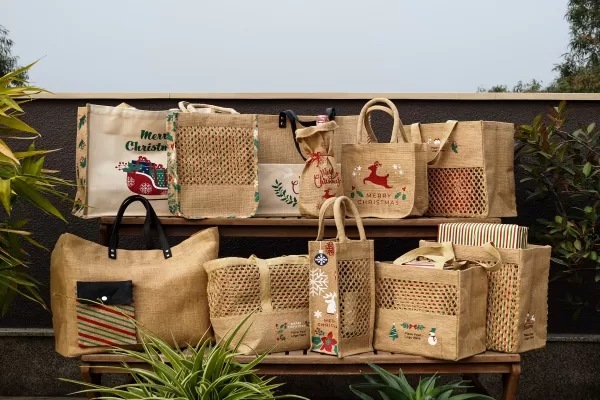
Imagine a company that sells gunny sacks to FCI, geotextiles for soil stabilization, and fancy jute handbags for your Instagram aesthetic — all under one roof. That’s Ludlow.
Its product lineup is long enough to make Amazon jealous:
Jute Yarn for industrial weaving
Hessian & Sacking Bags for packaging
Geotextiles & Soil Savers for eco-engineering
Jute Felt & Non-Wovens for furniture, roofing, and horticulture
Lifestyle Products because apparently, sustainability also needs style
The company’s installed capacity at Howrah stands at 67,500 MTPA, with production around 47,200 MT in FY22 — roughly enough jute to wrap up every sugar sack in eastern India.
While 81% of revenue is domestic, 19% comes from exports— mostly from Italy, Turkey, Belgium, Saudi Arabia, Canada, and the US. Ludlow’s clientele includes the Food Corporation of India (FCI) and the Director General of Supplies & Disposals, which means the Indian government literally bags most of its profits.
So in short: Ludlow makes eco-friendly stuff, sells it to both sarkari babus and sustainability hipsters, and occasionally survives industrial fires.
4. Financials Overview
Metric (₹ Cr)
Q2 FY26
Q2 FY25
Q1 FY26
YoY %
QoQ %
Revenue
135.15
79.17
113.03
70.7%
19.6%
EBITDA
13.78
0.75
11.30
1,738%
21.9%
PAT
6.86
-3.51
4.49
295%
52.8%
EPS (₹)
6.37
-3.26
4.17
295%
52.8%
Ludlow has clearly graduated from the “loss-making” phase to the “look-at-my-OPM” phase. EBITDA margins of 10.2% in Q2 FY26 vs 0.95% YoY show that