Vardhman Acrylics Ltd Q2 FY26 – The Great Fibre Freeze: Revenue Spun Tight, Margins Threadbare, and Patience Thinner Than a Sweater Yarn
1. At a Glance
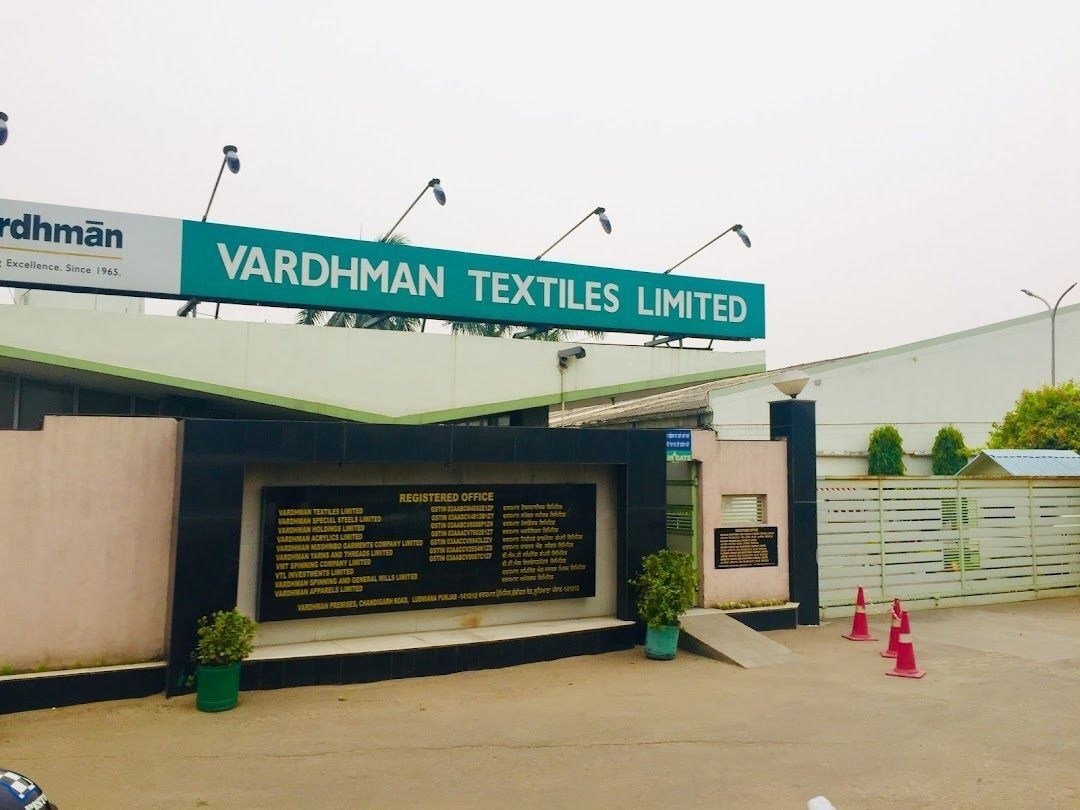
Picture this — a ₹320 crore small-cap company controlling 90% of India’s operational acrylic fibre capacity, yet struggling to spin profits as smoothly as its yarn. That’s Vardhman Acrylics Ltd (VAL) for you — a company that’s basically the monopolist of a shrinking market, wrapped in the legacy shawl of its parent, Vardhman Textiles Ltd (which owns 70.74%).
As of Q2 FY26 (September 2025), the company reported sales of ₹89.4 crore and a PAT of ₹2.5 crore, translating to a modest EPS of ₹0.31. Despite the bleak textile macro, YoY revenue grew 26.6%, and PAT jumped a dramatic 60.3% — but before you clap, the operating profit margin stood at a limp 0.19%, nearly microscopic.
Trading at ₹39.9 with a P/E of 31.5, ROE at 4.86%, and a juicy dividend yield of 3.76%, VAL looks less like a high-growth yarn spinner and more like a fixed deposit with attitude. The market, however, seems to enjoy slow-turning spindles — even if the financial threads are fraying.
2. Introduction
Ah, the acrylic fibre industry — where old-school sweaters meet modern financial struggle. Vardhman Acrylics Ltd, born in 1990, has seen it all: import wars, polyester revolutions, and demand collapses every few seasons.
Imagine holding 90% of India’s domestic acrylic fibre capacity, yet still hunting for profit margins with a magnifying glass. That’s VAL’s paradox. It produces “Varlan” branded fibres that go into everything from your grandma’s blankets to those sweaters you regret buying every April.
The parent, Vardhman Textiles, is one of the most respected names in Indian textiles, giving VAL access to world-class management, processes, and a thick safety net. But even the parent’s aura can’t weave magic into fibre prices when raw material (acrylonitrile) costs act like wild threads on a broken loom.
Investors might have expected a warm winter in FY26, but the latest numbers suggest a chilly breeze. So, does this textile minion still deserve space in your portfolio closet? Let’s unravel.
3. Business Model – WTF Do They Even Do?
VAL’s business is delightfully simple — make acrylic fibre, sell it, and pray for margins. The company manufactures Acrylic Fibre and Tow at its Jhagadia, Gujarat facility with a total capacity of 21,000 tonnes per annum (TPA).
Their customer base covers the entire range of human comfort — from hosiery and woven apparel to home furnishings, carpets, and industrial uses. You’ve likely worn their product, maybe even slept under it — that too without knowing. The irony? VAL earns pennies on every rupee of fabric happiness it creates.
They market their product under the Varlan brand — a name that sounds like a mix of “Vardhman” and “nylon” but makes neither’s profits.
Despite being part of the textile behemoth, VAL’s operations are standalone — raw materials sourced, fibres spun, products sold — all within a market that’s getting squeezed by cheaper synthetics like polyester. Acrylic fibre might have the warmth, but the world now prefers affordability over fuzzy coziness.
So, the model is straightforward: high-capacity, low-margin, capital-light, but painfully cyclical. Sounds familiar? It’s like the Indian textile story in a nutshell — or rather, in a tightly wound bobbin.
4. Financials Overview
Let’s put the company’s Q2 FY26 numbers on the loom and examine the weave: