Baheti Recycling Industries Ltd H1FY26 – From Scrap to ₹582 Crore Shine: Aluminium Alchemist with 143% Profit Growth Magic
1. At a Glance
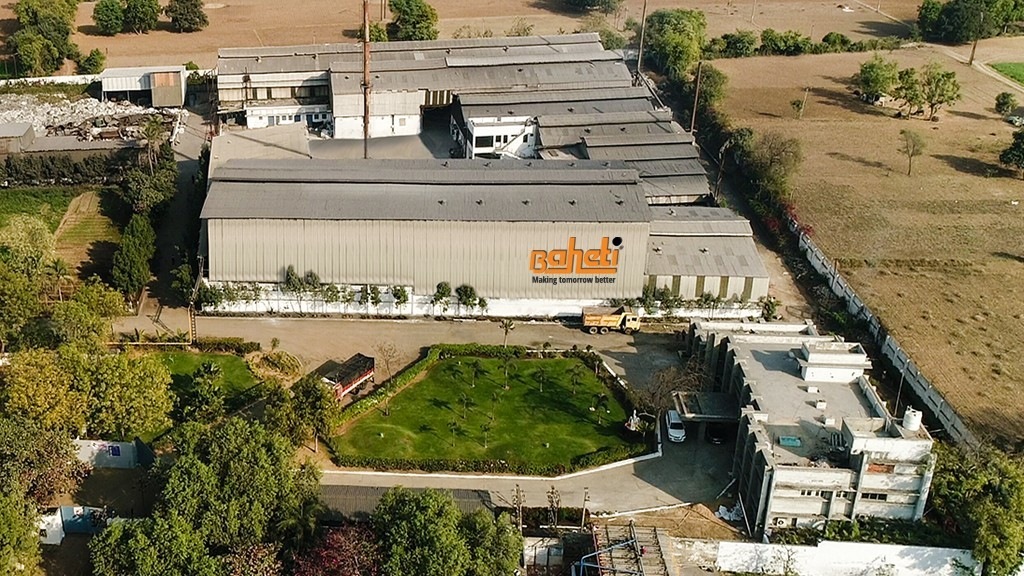
Move over goldsmiths, India’s aluminium alchemist is here — Baheti Recycling Industries Ltd (BRIL) — a ₹570 crore market-cap dynamo turning metallic trash into sparkling cash. From humble aluminium scrap heaps in Dahegam, Gujarat, the company has built a ₹582 crore sales empire with a profit of ₹20.3 crore and a P/E of 28.1x that screams “growth stock wearing a recycling badge.”
In the latest H1 FY26 results, BRIL posted a 22.5% YoY surge in sales to ₹315 crore and PAT of ₹9.27 crore, up 32% YoY. The ROE stands tall at 35.6%, with a ROCE of 21.8%, proving this is no scrap-dealer circus — it’s a full-blown profit foundry. But don’t miss the punchline: despite profits melting like aluminium, it trades at 8.33x its book value, a premium that would make even Hindalco blush.
Debt sits at ₹203 crore (D/E 2.97x), but hey, when you’re turning scrap into bullion, banks don’t mind getting their hands dirty.
2. Introduction
Baheti Recycling Industries is like that quiet engineering student who topped every subject while everyone else partied. Incorporated in 1994, the company has steadily evolved from a metal scrap trader to a full-fledged aluminium recycler — and not the jugaadu kind with backyard furnaces, but a professionally managed setup with three rotary furnaces, seven electric furnaces, and a tilting rotary furnace (TRF) boasting Skelner technology.
The company’s transformation over the last decade is striking. Back in FY17, sales were a modest ₹72 crore; today, it’s ₹582 crore TTM, clocking 38% CAGR in revenue and a stunning 143% CAGR in profit over five years. It’s the recycling version of compounding — where even scrap appreciates with time.
And here’s where it gets juicy: BRIL’s customer list includes the who’s who of Indian manufacturing — Tata Steel, JSW, Honda, Motherson, CIE, L&T — basically, every industrialist with a metal fetish. But there’s a twist — the top 10 customers make up 75% of revenue, a concentration risk tighter than a new iPhone’s packaging.
Yet, the Baheti family, holding 74.7% promoter stake, seems unbothered. No pledges, no dilution drama, no funny business — just a serious obsession with molten metal.
3. Business Model – WTF Do They Even Do?
BRIL’s business model is deceptively simple: buy scrap, melt scrap, sell shiny alloy — and repeat till profits pour. But beneath this simplicity lies an efficient system of metallurgy, automation, and energy management.
The company processes aluminium-based scrap into a variety of value-added products:
Aluminium Alloy Ingots – core product for automotive and manufacturing industries.
Aluminium De-ox Alloys – used in steelmaking to remove oxygen impurities (the metallic version of Dettol).
Aluminium Notch Bars, Cubes, and Shots – catering to niche industrial needs.
But Baheti isn’t just about smelting. It also trades in aluminium, brass, copper, and zinc scraps, ensuring that when markets melt, margins don’t.
What’s impressive is its 64% capacity utilization on a 29,160 MT setup. With an additional TRF pair being added (₹4 crore each), production capacity will soon jump to 34,000 MT. By FY27, the management targets 80–90% utilization, which means more alloy, more orders, and definitely more heat in the income statement.
Add to that a 1.2 MW solar plant at ₹3.5 crore capex (saving ₹1.25 crore annually), and Baheti’s roasting the competition while saving on electricity bills.
In short, it’s not just recycling metals — it’s recycling costs, efficiency, and maybe even karma.
4. Financials Overview
Data Type: Half-Yearly Results (Figures in ₹ Crore)
Metric
Sep’25 (H1FY26)
Sep’24 (H1FY25)
Mar’25 (Prev Half)
YoY %
HoH %
Revenue
315
257
267
22.5%
18.0%
EBITDA
21
16
24
31.3%
-12.5%
PAT
9.27
7.03
10.60
32.0%
-12.5%
EPS (₹)
8.94
6.77
10.60
32.0%
-15.6%
Annualised EPS (Half-Yearly × 2): ₹17.88 P/E = 550 / 17.88 = 30.8x (slightly higher than industry average of 20.3x)
Commentary: Despite a hot furnace, profits cooled slightly sequentially, thanks to a rise in raw material and power costs. But the YoY story remains strong — 22.5% sales growth and a 32% PAT bump. For a company that used to report losses as recently as FY22, this is like turning scrap into sculpture.
5. Valuation Discussion – Fair Value Range Only
Let’s break the alloy into its valuation elements: