1. At a Glance
Who would’ve thought that a company munching on old tyres would end up being a ₹1,500 crore market cap machine? Welcome to Tinna Rubber & Infrastructure Ltd (TRIL), the desi godfather of tyre recycling — turning end-of-life rubber into money, bitumen, and even gym flooring for your New Year resolution you’ll abandon by February.
Trading at ₹834 as of 21 Nov 2025, Tinna Rubber is in that elite club of industrial recyclers who actually make profits. With an ROE of 31.2%, ROCE of 28%, and a stock P/E of 34, it’s practically flaunting its balance sheet like a gym selfie. The company reported Q2FY26 (Sep 2025) sales of ₹120 crore and PAT of ₹12 crore — a mild dip from the previous quarter but steady enough to keep the wheels turning.
Sure, the stock is down 32% YoY, but remember — even Michelin tyres deflate once in a while. Over five years, this rubbery wonder has delivered a 149% return, proving that not all recyclers are trash collectors. With promoters holding 67.6%, zero pledge, and mutual funds creeping up to 5.8%, institutional money clearly smells fresh rubber.
If recycling was a religion, Tinna Rubber would be its most disciplined monk — spinning waste into gold, quite literally.
2. Introduction
In the land of cement, steel, and SaaS hype, who’s paying attention to old tyres? Apparently, Tinna Rubber is — and they’ve turned this boring, smoky business into one of India’s most efficient industrial stories.
Established in 1977, this company was dealing with sustainability long before ESG became a LinkedIn buzzword. It takes end-of-life tyres, grinds them down into crumb rubber, extracts steel wire, and sells it back into industries that make roads, tyres, and industrial materials. A complete “chakravyuh” of circular economy.
What’s truly impressive (and mildly hilarious) is how Tinna has diversified its trash game:
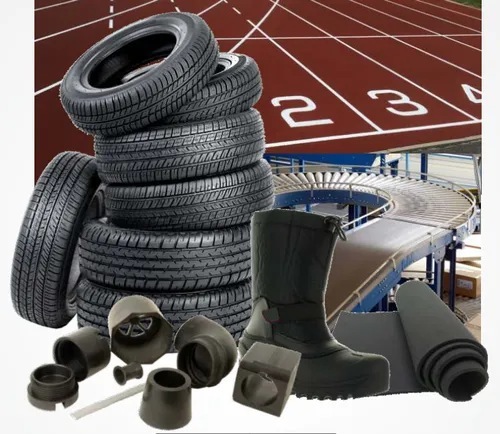
- Infrastructure segment (52%) – making CRMB and PMB for highway construction.
- Industrial (25%) – reclaim rubber for tyres and conveyor belts.
- Steel recovery (13%) – recycling steel from tyres.
- Consumer (10%) – selling gym mats and tiles, because why not monetize fitness trends?
Their operational empire spans six plants across India — Panipat, Mathura, Haldia, Wada, Gummidipoondi — and one in Oman, with new facilities planned in Saudi Arabia. They process over 200,000 MT of tyres annually, targeting 250,000 MT by FY27.
This isn’t just “go green” fluff. The company has genuine clients — MRF, Apollo, CEAT, IOCL, and even Hyundai Construction Equipment — who love Tinna’s recycled products because they cut costs and emissions.
And with the Indian government going all in on sustainable roads, Tinna’s bitumen-based products are basically riding the NHAI gravy train.
3. Business Model – WTF Do They Even Do?
Let’s be honest — most investors glaze over when someone says “crumb rubber modifier.” But here’s how the hustle works:
- Collection & Recycling – They collect end-of-life tyres (ELTs) and shred them down into crumb rubber granules.
- Separation – Out comes steel wire and nylon fiber — both get sold separately.
- Processing – Crumb rubber becomes the base for industrial and infrastructure products like CRMB, PMB, and emulsions used in roads.
- Value Additions – Reclaimed rubber and ultra-fine compounds are sold to tyre manufacturers and conveyor belt makers.
- Consumer Touchpoints – Even fitness mats and rubberized flooring come out of this ecosystem.
So essentially, Tinna turns garbage into something the world actually needs — smoother highways, cheaper tyres, and gym floors for influencers.
What makes them unique? Integration. They don’t just recycle; they own the full chain — from sourcing ELTs to making finished industrial products. This reduces input dependency, improves margins, and gives them control over quality and pricing.
Their secret sauce: bitumen chemistry. Tinna’s engineers mix recycled rubber with bitumen