Bombay Burmah Trading Corporation Ltd Q2 FY26 – The 162-Year-Old Wadia Dinosaur That Owns Biscuits, Tea, Teeth, and Chaos (with ₹2,276 Cr Profit FY25 & ₹13,001 Cr Market Cap)
1. At a Glance
Welcome to Bombay Burmah Trading Corporation Ltd (BBTCL) — a company so old it probably supplied tea for the British Raj, yet so diversified it could single-handedly run a village economy. From selling teak in 1863 to owning half of Britannia’s biscuits, a chunk of Go Airlines (oops, insolvency!), and tea estates in both Tamil Nadu and Tanzania — this 162-year-old beast doesn’t just trade, it survives.
As of 21 November 2025, BBTCL trades at ₹1,862/share, valuing it at ₹13,001 crore. The latest quarter (Q2 FY26) saw sales of ₹4,943 crore and PAT of ₹241 crore, with a quarterly YoY growth of 3.82% in sales and a 4.85% decline in profit — nothing dramatic for a conglomerate that’s basically a biscuit-and-balance-sheet buffet.
The P/E ratio sits at 11.6, ROE at 21.9%, ROCE a stellar 35.5%, and a debt-to-equity ratio of 0.39, proving this Wadia heirloom knows how to juggle sugar, solvency, and solvency proceedings (hello, GoAir).
So, what happens when a tea planter, biscuit tycoon, auto-electrical manufacturer, and dentist walk into the same boardroom? You get Bombay Burmah.
2. Introduction
Let’s get this straight — Bombay Burmah is not your regular “chai aur biscuit” company. It’s the chaotic elder cousin in the Wadia family reunion, the one with a mix of plantations, FMCG royalty (Britannia), failed airline bets (GoAir), and random side hustles like dental products and horticulture.
Founded in 1863, it’s older than the Indian railways’ official timetable, yet it continues to plant, manufacture, invest, and occasionally lose money in spectacular fashion.
Over 150 years of existence and it still refuses to stick to one business vertical. It’s as if BBTCL’s board wakes up every few years and says, “What’s the weirdest new sector we can enter?” – and voila, there’s an acquisition in Tanzania or a new solenoid plant in Chennai.
But the irony? 96% of BBTCL’s revenue comes from just one subsidiary – Britannia Industries Ltd. So, while BBTCL flaunts a diversified portfolio, it’s basically a Britannia wrapper covering some exotic plantation dust.
Still, when your biscuit brand funds your tea business, and your tea profits help write off airline losses, you’ve mastered circular capitalism.
3. Business Model – WTF Do They Even Do?
Imagine a thali platter. In the center: Britannia biscuits, crispy and profitable. Around it:
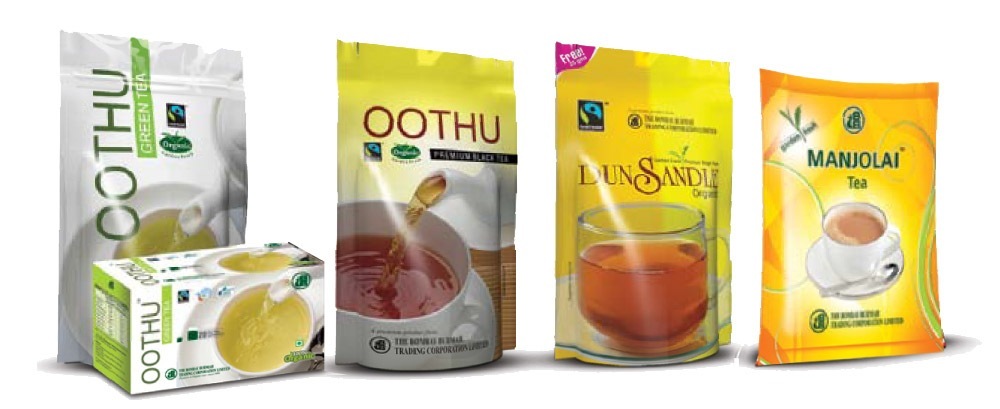
A little bowl of tea plantations in South India and Tanzania,
A side dish of Electromags auto parts,
A garnish of horticulture (because why not plants?),
A tiny dab of dental supplies.
That’s BBTCL’s business model — a buffet of unrelated industries somehow held together by a 162-year-old brand and a lot of dividend income.
Investments – 2% (stakes in Britannia, Bombay Dyeing, and National Peroxide worth ₹58,500 crore market value in FY24)
Other Segments – 2%, including tea, horticulture, dental products, and auto-electrical components.
Oh, and remember Go Airlines (India) Ltd? BBTCL owns 32.61% of that grounded bird. It booked ₹1,865 crore consolidated loss in FY23 due to GoAir’s bankruptcy. It’s like buying a plane ticket to nowhere and calling it an investment.
Still, debt has dropped drastically from ₹5,800 crore in FY22 to ₹2,100 crore in FY24, thanks to selling its coffee estate for ₹291 crore in 2023. At least they’re brewing debt reduction with actual coffee beans.