1. At a Glance
Procter & Gamble Health Ltd (NSE: PGHL, BSE: 500126) is that perfectly ironed shirt of India’s Vitamin-Mineral-Supplement (VMS) sector — neat, global, and slightly overpriced. The company just posted its Q2FY26 results, delivering sales of ₹319 crore (up 3% YoY) and PAT of ₹89 crore (up 8% YoY). The operating profit margin flexed a cool 37%, and ROCE is so high at 47.8% that even your local moneylender would blush.
At ₹6,066 per share and a market cap of ₹10,069 crore, this P&G subsidiary trades at a P/E of 32.8x—because apparently vitamins are now the new gold standard of wealth preservation. The stock yields a calm 2.06% dividend while showing off a ROE of 36.4% and ROCE of 47.8%, numbers that could make many midcaps question their life choices.
Debt? Barely ₹6.2 crore. Debt-to-equity? 0.01. Basically, a “0 EMI” lifestyle. But before you think it’s a saint, note this: it pays ₹24 crore in royalties to its American parent, just to keep the “P&G” tag shining. And while the rest of the pharma industry screams about R&D, PGHL is busy organizing bus yatras for anemia awareness. Because why cure when you can campaign?
2. Introduction – The Vitamin Mogul with MBA Swag
Welcome to Procter & Gamble Health Ltd (PGHL) — a pharma company that acts more like a marketing major. This is not your regular lab-coat scientist business; it’s the corporate cousin who sells you “Evion for your glow” and “Neurobion for your nerves,” then smiles as you Venmo your savings away.
Once upon a time, this was Merck Limited, until P&G acquired it in 2018 for about ₹1,300 crore, as part of a global $4.2 billion shopping spree. What P&G basically did was turn a serious pharma operation into a marketing machine with global reach. Imagine taking an old-school chemistry lab and giving it a LinkedIn Premium subscription—that’s PGHL for you.
Its Goa factory handles manufacturing, while distribution has gone from old-school carrying & forwarding agents to modern distributors, all completed in FY23. It’s like going from Telegram to WhatsApp Business—same function, better emojis.
Despite its humble ₹1,284 crore annual sales, this company delivers margins that scream luxury brand. You’ll find it selling to India (90% of revenue) and sprinkling its vitamin fairy dust over 180 countries. It doesn’t make COVID vaccines or oncology drugs, but it sure knows how to sell you the importance of “iron and nerve health” with PR campaigns involving bus yatras and hashtags.
So what happens when Big Pharma meets Big Marketing? Let’s chew this vitamin of financial wisdom together.
3. Business Model – WTF Do They Even Do?
PGHL is essentially India’s vitamin, mineral, and supplement (VMS) powerhouse. It doesn’t make complicated molecules, it makes your daily tablets sound fancy. Think of it as the “Tanishq of tablets” — premium, polished, and neatly packaged for middle-class guilt and upper-class wellness.
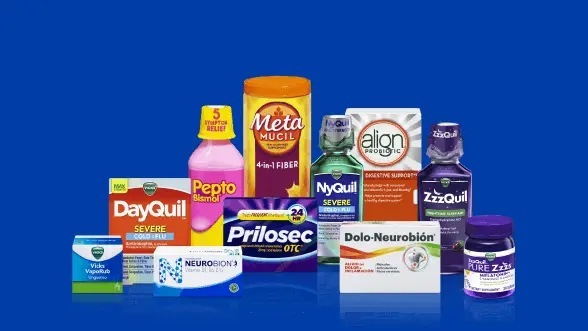
Its blockbuster brands include:
- Evion – India’s best-known Vitamin E capsule. Skin influencers love it more than dermatologists do.
- Neurobion – That “B-vitamin for nerves” your uncle takes for his WhatsApp forwards.
- Livogen – Iron supplements that every doctor prescribes and no patient finishes.
- Nasivion – The nasal spray that works faster than your excuses.
- Seven Seas – The omega-3 brand for those who believe fish oil can solve anything, including relationships.
The company runs a Goa plant (because even vitamins need beach therapy) and sells mostly in India. It earns royalties, pays royalties, and maintains relationships like a Bollywood production house.
Its recent move to outsource its injections portfolio (effective Sept 2023) is classic P&G efficiency: “Why manufacture when you can manage margins?” It focuses on