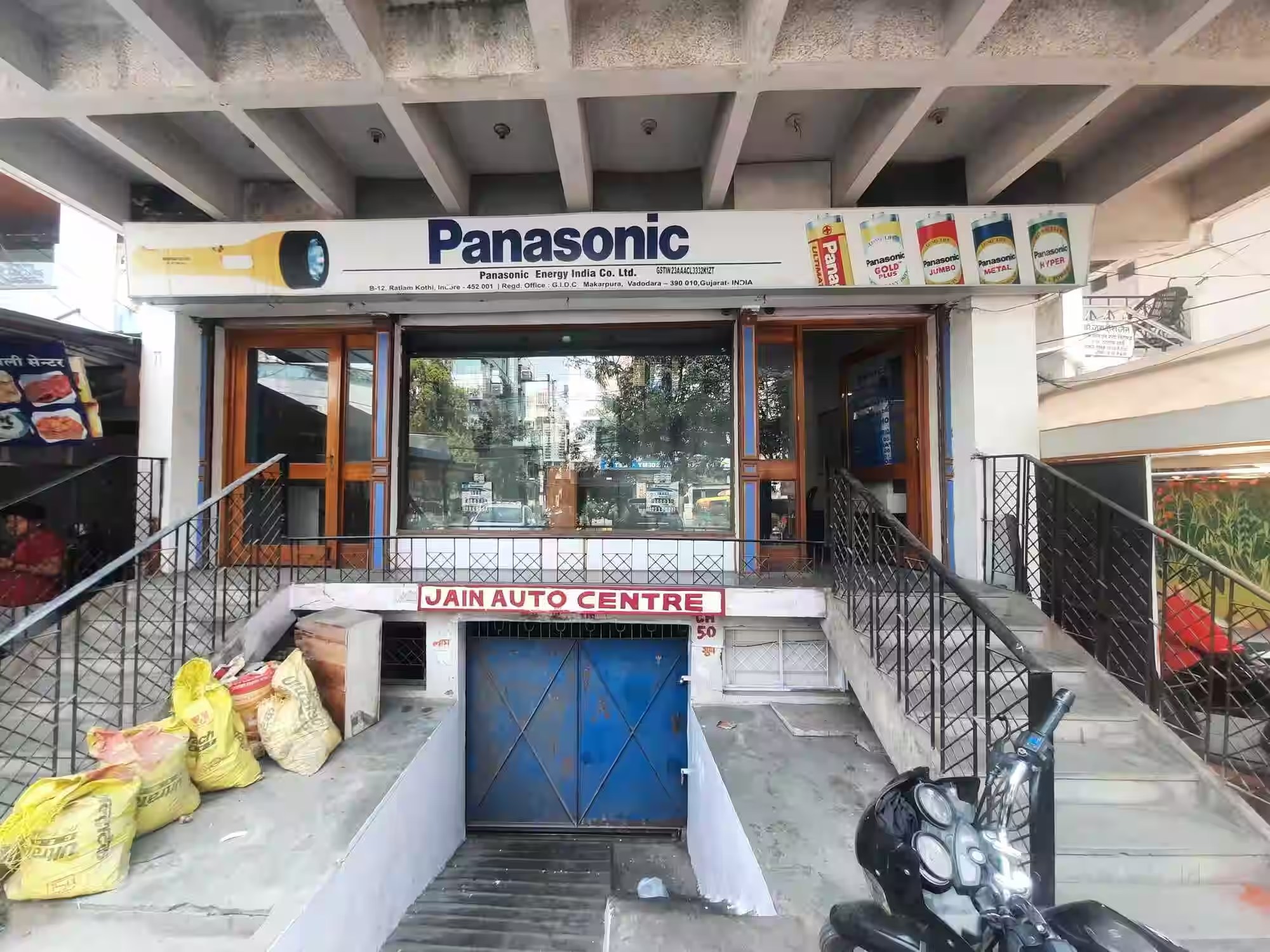
1. At a Glance
Panasonic Energy India, the company that literally sells “power” in tiny cylinders, just reported Q2FY26 results that look like someone left the charger unplugged. Sales stood at ₹68.64 crore – same as last quarter – but profit fell by half to ₹1.92 crore. The stock, already tired from a 25% one-year decline, sits at ₹360, giving it a modest ₹270 crore market cap and a P/E of 42.5x.
ROCE of 17.6% says “I still work out,” but ROE of 11.6% and profit growth down 54% scream “battery low.” The dividend yield of 2.6% helps, but with sales growth barely moving at 5% CAGR over five years, this looks less like a high-performance Energizer and more like that remote-control cell that dies right before India’s World Cup semi-final.
Still, the company is debt-free (₹1.26 crore debt only — probably the office coffee machine loan) and maintains ISO 9001 and 14001 certifications. Now led by Akio Fujita (appointed CMD in July 2025), Panasonic Energy India seems to be at an inflection point — deciding whether to spark innovation or just keep selling AAA nostalgia.
2. Introduction
Remember those classic “National” batteries your dad used in his transistor radio? Panasonic Energy India is that same legacy, now dressed in modern branding but facing the same old problem — your mobile phone battery is rechargeable, but their business model isn’t.
Incorporated in 1972, this subsidiary of Japan’s Panasonic Holdings has been powering Indian flashlights and clocks for half a century. But now, the flashlight is gone (they exited that segment), the R20 and R14 battery lines are discontinued, and demand is shifting toward lithium and rechargeable cells. The company, once an FMCG counter with “spark,” is now stuck between the Eveready rabbit and the Duracell bunny — neither fast nor furious.
But to its credit, Panasonic Energy India is still profitable, still paying dividends, and still proudly “Made in India” long before that became a campaign slogan. The recent VRS at the Vadodara plant and consolidation at Pithampur reflect operational tightening, not desperation. The question remains — can a 53-year-old dry cell company survive in a lithium-ion world?
3. Business Model – WTF Do They Even Do?
Panasonic Energy India manufactures and sells dry cell batteries, mostly the old-school zinc-carbon and zinc-chloride types. They also sell Evolta, Eneloop, and Lithium micro-batteries, but these are niche segments — more decorative LEDs than torchlights.
Their main revenue still comes from Zinc Carbon and Zinc Chloride batteries — about 99% of sales. The company proudly calls them “eco-friendly” since they contain zero mercury, lead, or cadmium. But let’s be honest: when your battery technology is older than Windows 95, “eco-friendly” isn’t innovation — it’s a survival strategy.
Exports form just 1% of revenue;