1. At a Glance
Mazagon Dock Shipbuilders Ltd (MDL) — the Navy’s favourite child and the taxpayer’s favourite stress test — has docked another quarter of patriotic profits. As of Q2 FY26, the company commands a market cap of ₹1.13 lakh crore, trades at a P/E of 48.6, and has delivered 3.3 % returns in 3 months (because PSU defence is the new crypto).
Quarterly revenue stood at ₹2,929 crore, up 6.25 % YoY, while PAT ₹749 crore spiked 28.1 % YoY, proving that even in bureaucratic shipyards, efficiency sometimes happens accidentally. OPM ? A muscular 24 %, with ROE at 34 % and ROCE at 43 %.
No debt, no drama — except for ₹37,852 crore contingent liabilities, which MDL treats like a gym membership: always there, never used.
2. Introduction
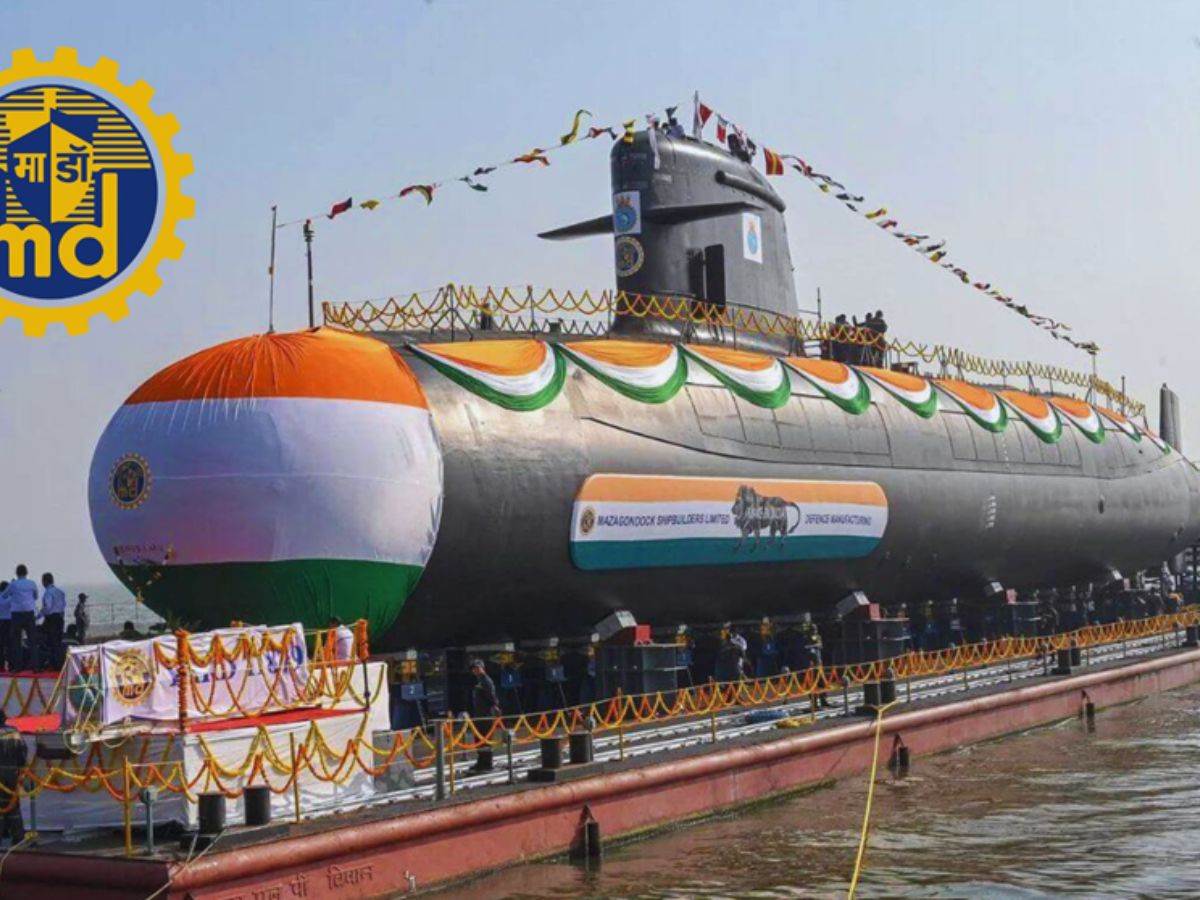
Once upon a time in 1774, the British built a small dry dock in Bombay. Two centuries later, it’s a PSU called Mazagon Dock Shipbuilders, where steel dreams meet bureaucratic spreadsheets. It builds submarines that dive deeper than India’s bond yields and frigates that cost more than Bollywood budgets.
Today, MDL is the only Indian yard building destroyers and conventional submarines. It’s the Defence Ministry’s preferred contractor — not because it’s fast, but because it’s the only one left who knows how to spell “Scorpene”.
While most IT companies fight over cloud contracts, MDL fights over clouds of smoke during missile trials. It’s a Navratna PSU, meaning it can take independent decisions — as long as Delhi approves them.
3. Business Model – WTF Do They Even Do?
Think of MDL as the Maruti Suzuki of warships, except its clients are armed and payments are classified. The business splits into two divisions:
- Shipbuilding (70 %) – Warships, destroyers, frigates, and refits for the Navy.
- Submarines & Heavy Engineering (30 %) – Diesel-electric submarines and their costly mid-life makeovers.
97 % of revenue sails in from manufacturing; repairs and refits make up the remaining 3 %. The order book is a ₹39,872 crore buffet across 37 vessels, ensuring visibility until at least the next government.
It’s also moonlighting in MRO work for Nepal’s MI-17 helicopters and pipeline projects for ONGC — because why