1. At a Glance
If you think making money from plastic sacks is impossible, meet Jumbo Bag Ltd, the Chennai-based comeback story of FY26. The stock just closed at ₹ 90.2 on 23 Oct 2025, giving investors a 29.9 % three-month gain and a 61 % rally in six months, the kind of glow-up that even Bollywood PR teams envy. Market cap? A petite ₹ 75.5 crore – the kind of microcap that makes analysts squint at the chart before believing the numbers are real.
With a P/E of 11.8, ROCE of 10.7 %, ROE of 9 %, and quarterly PAT growth of 240 % YoY, Jumbo’s latest result looks like a polymer fairy tale. Sales dipped -5.7 % QoQ to ₹ 31.45 cr, but profits ballooned from ₹ 0.9 cr a year ago to ₹ 3.1 cr now. Maybe they started selling FIBC bags filled with hope and profit margin instead of polypropylene.
Debt? A humble ₹ 33.6 cr – not saintly, but manageable. Dividend? None, because apparently reinvestment is the new romance.
2. Introduction
There are two kinds of companies in India’s packaging world:
- Those that make glamorous cartons for chocolates and shampoos.
- And those that quietly ship bulk chemicals and cement in giant plastic sacks while pretending they’re in the logistics business.
Jumbo Bag Ltd proudly belongs to the second type. Incorporated in 1990 under the Bliss Group, it has spent three decades converting humble polymers into Flexible Intermediate Bulk Containers (FIBCs)—basically the adult version of lunch bags for industries.
From steel plants to food processors, everyone who needs to move a tonne of anything calls these guys. And in the middle of this, Jumbo also moonlights as a Del Credere Associate and Consignment Stockist for Indian Oil Corporation, selling polymers—because why just make bags when you can also sell the raw material that makes them?
In 2025, the company’s quarterly profits finally decided to wake up. After years of “we promise next year will be better,” the last two quarters showed real traction. Is it turnaround or just luck with crude prices? Let’s find out before someone re-classifies the whole thing as a miracle.
3. Business Model – WTF Do They Even Do?
Imagine a factory floor filled with giant looms, not weaving silk sarees but woven polypropylene fabric that can lift two tonnes without flinching. That’s Jumbo’s daily grind.
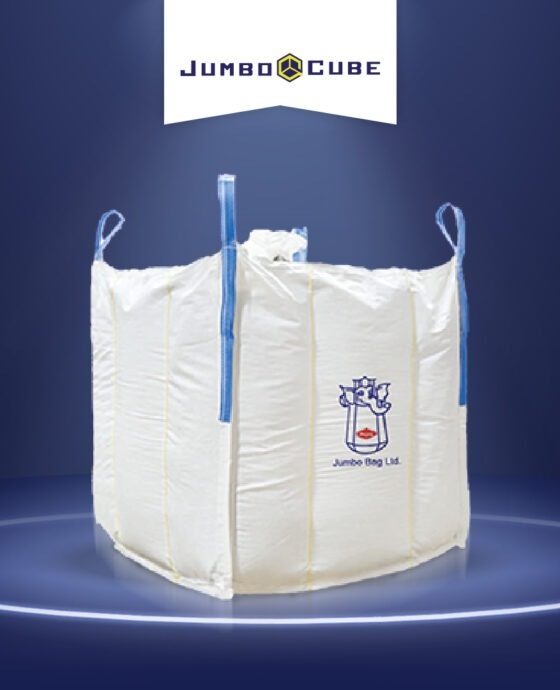
They design and produce FIBC bags of all shapes—Type A, B, C & D, and those fancy clean-room UN-certified ones used for chemicals. These are essentially the “Tupperware of global logistics”—reusable, customizable, and surprisingly high-margin if you don’t mess up your raw material math.
They’ve installed flat looms (Sulzer) to produce specialty ventilated and conductive fabric, signaling they want to move up the value chain—from commodity bags to engineered packaging solutions.
And then there’s the polymer trading arm—acting

One Response
😆😆😆😆😂😂😂😂