1. At a Glance
Omaxe Ltd, once the proud “desi DLF of Tier-2 cities,” is now a ₹1,515 crore market-cap struggler trading at ₹82.8, a full 40% discount from its 52-week high of ₹134. On the balance sheet, the company shows a book value of –₹11.2 per share, meaning shareholders basically own a hole instead of an asset. PAT for the last twelve months? A hearty –₹724 crore, which makes the ROE sit at –506%, a world record in value destruction. Debt stands at ₹796 crore with a debt-to-equity of 1.66, and promoters have pledged nearly 39% of their stake—because nothing screams confidence like mortgaging your own shares. Meanwhile, quarterly sales of ₹282 crore fell 17% YoY, while losses widened to –₹186 crore.
So the company builds malls, apartments, and “Omaxe Chowk,” but at this point, it feels like the only thing under construction is shareholder patience.
2. Introduction
Let’s imagine the Indian real estate sector as a Bollywood family drama. DLF is the overachieving elder son, Lodha the NRI cousin showing off at every wedding, Prestige the south Indian uncle with tech money, and Godrej Properties the sophisticated Ivy League nephew. And then there’s Omaxe—showing up late to the function, carrying debt, wearing an ill-ironed kurta, but still trying to flex pictures from its last project.
Once upon a time, Omaxe had big dreams: 132 million sq. ft. delivered across 27 cities, tier-2 and tier-3 glory, PPP projects with governments, EV charging tie-ups with Jio-BP. Sounds futuristic, right? But cut to 2025, and the financial statements look like the script of a crime thriller—losses piling, auditors sweating, contingent liabilities ballooning (₹2,723 crore), and promoters pledging shares like a teenager pawning a PlayStation.
Still, Omaxe refuses to disappear. From Chandni Chowk to Amritsar, Indore, Lucknow, and now even Ratlam (yes, Ratlam finally gets its day in the sun), the company is still announcing new projects with billion-rupee budgets. The real question is—are these launches grand openings or just rebranded ribbon-cuttings for lenders?
3. Business Model – WTF Do They Even Do?
Omaxe builds houses, malls, and “integrated townships.” Sounds fancy until you realize integrated means “we’ll add a mall next to your flat so you can spend rent on EMI.”
They operate in three buckets:
- Residential Projects – Apartments, villas, plotted developments. Translation: same old “possession in 36 months” brochure dreams.
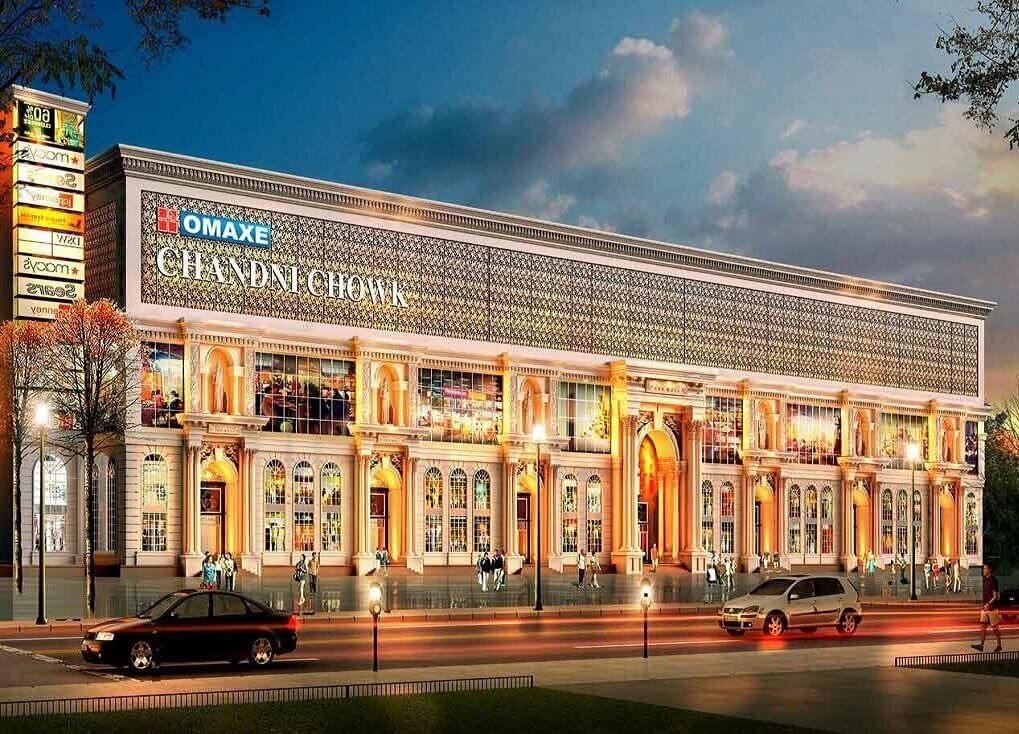
- Commercial Projects – Malls, offices, retail spaces. Their big badge is Omaxe Chowk at Chandni Chowk, promising food courts and retail utopia (minus working escalators, of course).
- Townships & PPP – Omaxe is now hitching rides with governments to build infrastructure. PPP means Public Private Partnership, but here it often feels like Public Pays, Private Profits.
They also tried to look cool by signing with Jio-BP for EV charging stations. Nothing says futuristic like charging your EV