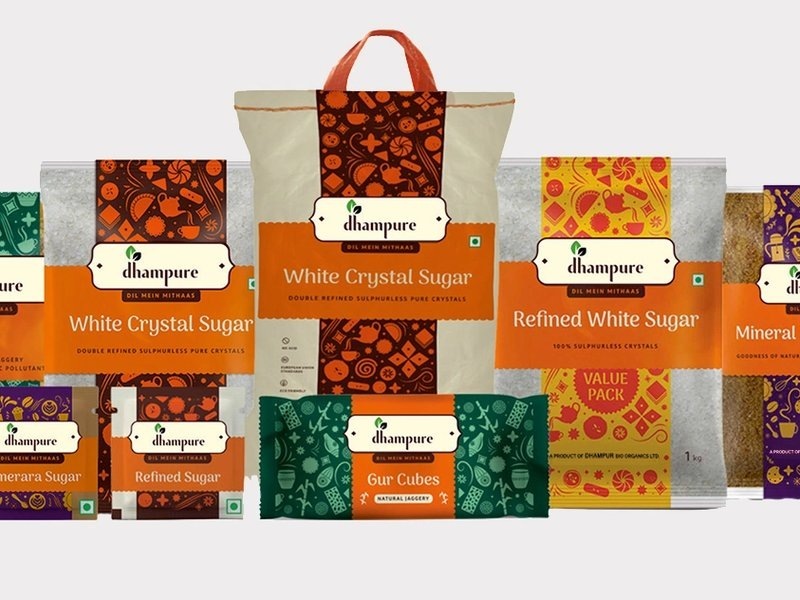
1. At a Glance
Welcome to Dhampur Bio Organics Ltd (DBOL) – the company that crushes 26,000 MT of sugarcane per day but still manages to crush shareholder hopes faster. With a market cap of ₹545 Cr, the stock trades at ₹82.1, a humble shadow of its 52-week high ₹164 (basically sugar high → sugar crash). In the last 3 months, the stock has gone nowhere (-0.4% return), and in the last year it has evaporated ~49% of investor wealth – sweeter than gur, bitterer than your last breakup.
Financially, DBOL has posted FY25 sales of ₹1,920 Cr but with a PAT of ₹-7 Cr. Book value stands tall at ₹152, yet CMP/BV ratio is just 0.54 – which means the stock is cheaper than the packet sugar they’re trying to premiumize. Debt is ₹1,162 Cr, Debt/Equity is 1.15, ROE a comical 1.56%, and ROCE at 3.97% – truly the return profile of a fixed deposit in a failed co-op bank. Dividend yield? 1.52%, because nothing says “sorry for the losses” like sprinkling sugar-coated dividends.
2. Introduction
Imagine a sugar factory, an ethanol distillery, and a country liquor shop walk into a bar. The bartender says, “What will it be?” They answer in chorus: “Debt, volatility, and a CARE downgrade, please.”
Dhampur Bio Organics is one of those companies that looks fantastic on paper – integrated sugarcane processing, ethanol blending opportunity, government’s ethanol push, premium pharma-grade sugar, biomass-based energy – all the right buzzwords. But scratch the surface and you’ll see the real show: operating margins thinner than a diet roti, interest costs chewing away whatever profit is left, and frequent announcements of “credit rating revised (downwards).”
Yet, there’s drama. DBOL is not just a sugar mill; it’s a liquor business (country liquor tetra-packs, because why stop at diabetes when you can add cirrhosis too?). They generate power from biomass but still can’t generate confidence in investors. The ethanol story is supposed to be the savior – except volumes fell 40% in FY25 because cane availability said “thoda aur rukna.”
So here we are – a company balancing between sweet promises and bitter execution, leaving analysts (and auditors like me) in splits.
3. Business Model – WTF Do They Even Do?
Alright lazy investor, here’s DBOL’s recipe for survival:
- Sugar (58% revenue): They crush cane, make refined sugar, retail sugar, pharma sugar. Think of it as moving from “bulk loose mithai” to “branded Sugar Lite.”
- Biofuels & Spirits (11% revenue): Ethanol from molasses and grain. India wants 20% ethanol blending by 2025, but DBOL’s output fell from 93 Mn BL (FY24) to 61 Mn