Kirloskar Oil Engines Ltd (KOEL) has pulled in ₹1,764 crore revenue this quarter, but its PAT fell 10.6% YoY to ₹137 crore. EPS landed at ₹9.77, putting it on a nose-bleeding 30x P/E. Meanwhile, debt has ballooned to ₹5,819 crore, making the balance sheet look like a Bollywood producer after multiple flops – assets on one side, creditors banging the door on the other. And yet, the company flexes orders from NPCIL and dreams of hitting ₹6,500 crore revenue by FY25. Diesel dreams, but running on debt fumes.
2. Introduction
Welcome to Kirloskar Oil Engines – where diesel engines meet family drama, SEBI notices, and nuclear contracts. If Shakespeare wrote “Hamlet” in Pune, it would’ve been about this company – “To lever up, or not to lever up, that is the question.”
Once a boring generator and pump-set maker, KOEL has now decided to cosplay as a “digital transformation” startup, with its Kagal factory becoming “smart manufacturing” by 2025. Smart? Let’s see if it can also become “debt-free manufacturing” sometime before my grandkids retire.
The company is part of the legacy Kirloskar Group, a brand every desi farmer and factory owner has cursed at least once while cranking a stubborn genset. Yet, the business isn’t all jokes. KOEL sells across power generation, industrial engines, water pumps, farm equipment, and even has a ₹4,128 crore financial services AUM under its Arka Group. Basically, they sell engines to run your factory and loans to buy them. Full-service jugad.
But investors aren’t exactly laughing: the stock is down 27% over the past year. Clearly, even gensets can’t keep the stock price powered up during a downcycle.
Now, shall we dive into their “business model” – or as I call it – the many ways Kirloskar monetises smoke, noise, and spare parts?
3. Business Model – WTF Do They Even Do?
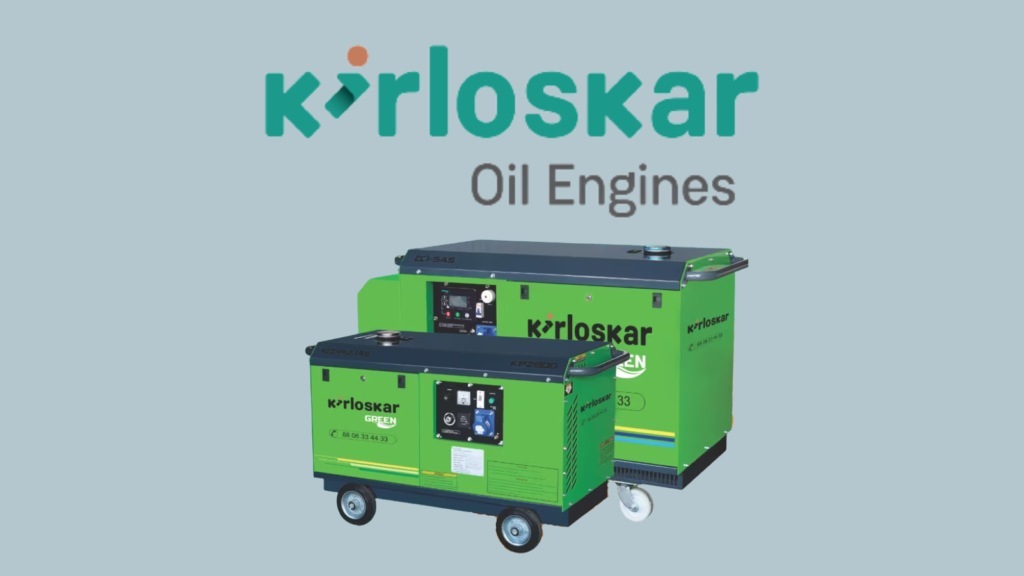
At its core, KOEL makes engines and generator sets. Simple. Big noisy machines that keep your AC and Wi-Fi alive when the government cuts electricity.
But then comes the masala:
B2B (87% of sales): They supply engines to industries, defence, marine projects, and after-sales service. This is the bread and butter. Or rather, the diesel and oil.
B2C (13% of sales): They sell pump sets and farm equipment – the kind your kisan uncle brags about after two pegs.
International (9%): Some exports, but mostly still domestic. India 90%, exports 10%. Basically, “Make in India, Sell in India, Complain in India.”
Financial Services: Through Arka Group, they lend money. Because why stop at selling engines when you can also collect interest?
The product mix screams “old economy” – Power Generation (42%), Industrial (20%), Water (11%), Aftermarket (16%), and the rest split across farm and international. And now they’ve decided to level up with HHP (High Horse Power) engines up to 3000 kVA. In Bollywood terms, they moved from Govinda roles to Prabhas roles – bigger, louder, but not necessarily profitable.