Coromandel International just pulled off a 62% YoY jump in quarterly profit to ₹505 crore on revenues of ₹7,042 crore, proving once again that nothing grows faster than Indian fertilizer companies except the excuses they give for subsidies. With Nano DAP, phosphates, drones, and now Senegal mines in the mix, the company is basically farming money while farmers are farming crops.
2. Introduction
Every Indian investor has that one agri stock in their portfolio that they don’t understand but still hold because “bhai, fertilizer toh zaroori hai.” Coromandel is exactly that — a cocktail of chemicals, subsidies, and farmer dreams, mixed with a dash of backward integration and garnished with corporate acquisitions.
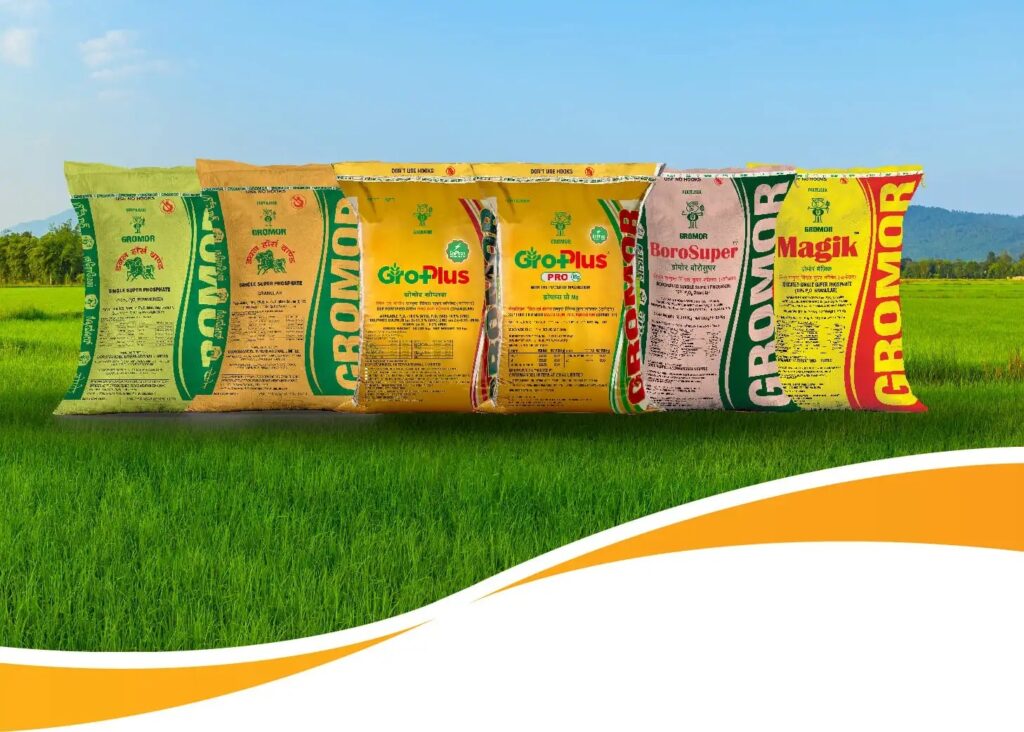
It is the second-largest phosphatic fertilizer seller in India, the largest SSP player, and also moonlights as a global biopesticide exporter. If that wasn’t enough, they’re now dabbling in drones (Dhaksha) and even Senegalese mining ventures. Because why settle for growing tomatoes when you can grow geopolitical risk?
But beneath all the buzzwords — Nano DAP, Specialty Nutrients, Bio Products, Drone Tech — lies the boring truth: 85–89% of revenue still comes from fertilizer bags. You can wrap it in “agri solutions” PowerPoint slides, but the core business remains simple: import phosphoric acid, blend, bag, subsidize, repeat.
3. Business Model – WTF Do They Even Do?
Coromandel’s business model is like a family thali — lots of items, but you know the rice (fertilizers) fills 90% of your stomach.
Crop Nutrition (89%): NPK, DAP, SSP, specialty nutrients, organic fertilizers, and the new Nano DAP (liquid magic in a bottle). Basically, if it can be dumped in a farm and called “nutrient,” they sell it.
Crop Protection (11%): Insecticides, fungicides, herbicides, and the world’s third-largest Mancozeb line. About 60+ brands are floating around, but margins get eaten up whenever global destocking happens.
Bio Products: Azadirachtin, the neem extract wonder, where they command 65% of global exports. Basically selling neem oil to goras at Gucci prices.
Retail: 760 outlets with 13,000 dealers serving 3 million farmers. Think of it as the Reliance Digital of fertilizers — but instead of iPhones, you get soil testing and a free packet of micronutrients.
And now drones. Coromandel bought a majority stake in Dhaksha Unmanned Systems and is using it for agri-spraying and defense. Nothing screams diversification like jumping from DAP bags to UAV payloads.
4. Financials Overview
Q1 FY26 vs Q1 FY25 vs Q4 FY25
Metric
Latest Qtr (Q1 FY26)
YoY Qtr (Q1 FY25)
Prev Qtr (Q4 FY25)
YoY %
QoQ %
Revenue
7,042
4,729
4,988
48.9%
41.2%
EBITDA
782
490
409
59.6%
91.2%
PAT
505
309
578
63.4%
-12.6%
EPS (₹)
17.1
10.6
19.7
61.5%
-13.2%
Commentary: The YoY growth looks like fertilizer on steroids — almost 49% top line growth. But QoQ tells a sobering tale: profits slipped 12.6%. Farmers don’t care; investors do. EPS annualized at ₹68.4, giving a P/E of ~32.5 at CMP ₹2,229. Yes, dear reader, that’s more expensive than some IT stocks, and this is still a subsidy-driven commodity business.
5. Valuation Discussion – Fair Value Range Only
P/E Method: EPS (TTM) = ₹76.7. Industry average P/E ~30. Coromandel trades at 33x.
Fair value range = ₹2,300 – ₹2,650.
EV/EBITDA Method: EV = ₹63,080 Cr; EBITDA (TTM) = ₹3,247 Cr. EV/EBITDA = 19.4x vs sector ~14x.
👉 Consolidated Fair Value Range = ₹1,800 – ₹2,650.
Disclaimer: This fair value range is for educational purposes only and is not investment advice.
6. What’s Cooking – News, Triggers, Drama
NACL Industries takeover: Coromandel just acquired 53% stake and launched a ₹402 Cr open offer. This is like buying the neighbor’s field so your cows don’t starve.
BMCC Senegal deal: 17.69% stake for $7.7M in a rock phosphate mine. Because importing is boring; owning the mine makes you look badass.
Drone push: Increased stake in Dhaksha to 58%. From fertilizers to UAVs — if this isn’t diversification, what is?
Backward Integration: New sulphuric acid plants in Vizag and Kakinada, to reduce import dependence.