Paradeep Phosphates is like that middle-class uncle who quietly bought land near the highway in the 80s and is now laughing to the bank. Incorporated in 1981, this fertilizer giant has grown into India’s second-largest private phosphatic company, with a dealer network so wide that even panwalas might envy it. FY24 saw sales volumes jump 70% to 2.52 MT, but realizations fell—basically, they sold more but earned less per unit. The stock, meanwhile, has doubled investors’ money in a year. Farmers get “Jai Kisaan,” investors get “Jai Bhavishya.”
2. Introduction
Picture this: Morocco controls 70% of the world’s phosphate reserves. Instead of hoarding it like a crypto whale, they partnered with Zuari Agro Chemicals to form Paradeep Phosphates. OCP of Morocco brings the raw muscle (rock phosphate), Zuari adds the desi jugaad, and the result is India’s phosphatic fertilizer juggernaut.
Now, fertilizer companies aren’t exactly the stuff of romantic Bollywood scripts. They live off government subsidies, fight monsoons, and juggle farmer mood swings. Yet, Paradeep managed to clock ₹15,197 Cr sales and ₹802 Cr PAT in FY25, while also expanding capacity like it’s auditioning for “Kaun Banega Fertilizer Crorepati.”
The company has two plants (Odisha & Goa), a 9 million farmer base, and a 22% North India share that’s slipping to the East—because apparently, Bihar and Odisha farmers have better conversion rates than Delhi’s wannabe farmhouse owners.
But here’s the spicy part: they are merging with Mangalore Chemicals (MCF), a move that will not only fatten the capacity but also fatten the debt. And debt here isn’t small-town kirana credit—it’s already ₹4,358 Cr. Paradeep is basically playing “Go Big or Go Broke.”
So, should you admire them for the audacity or question them for being subsidy junkies? Let’s investigate further.
3. Business Model – WTF Do They Even Do?
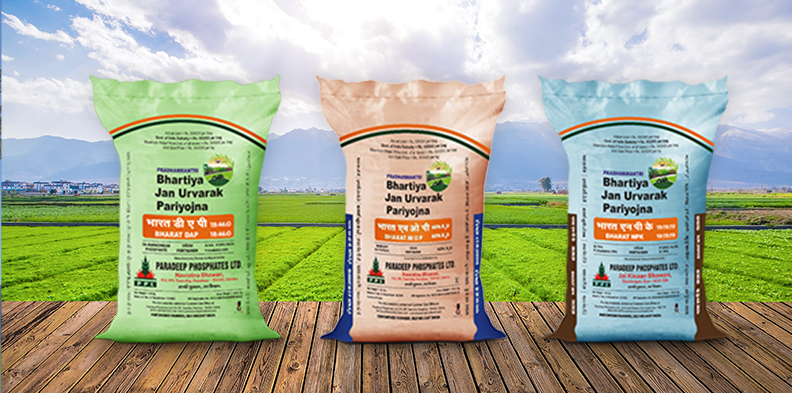
Paradeep makes DAP, NPK fertilizers, Nano DAP, Nano Urea, Gypsum, Sulphuric Acid, and Ammonia. Translation: they sell stuff farmers throw in the soil and hope for a bumper crop. Their products are sold under “Jai Kisaan” and “Navratna”, which sound like patriotic soap operas but are actually serious fertilizer brands.
Their edge?
Strategic plant locations: Paradeep plant has a captive berth & conveyor, Goa plant has captive power. Logistics = free ka.
Backward integration: Ammonia in-house, phosphoric acid in-house. Basically, they make half the inputs themselves, saving margin leakage.
Land bank: 2,282 acres at Paradeep, of which only 33% is used. That’s like buying a DDA flat and keeping two rooms locked for “future generations.”
Add to that new-age gimmicks: Nano DAP & Urea bottles. Farmers are actually buying lakhs of these little bottles. Whoever thought fertilizer could be sold like cough syrup was a marketing genius.
Question for you: If Coca-Cola can sell “200 ml Chhota Coke,” why can’t Paradeep make “Pocket-size Fertilizer Shots”? Would you buy one?
4. Financials Overview
Metric
Latest Qtr (Jun’25)
YoY Qtr (Jun’24)
Prev Qtr (Mar’25)
YoY %
QoQ %
Revenue
3,754
2,377
3,494
57.9%
7.5%
EBITDA
465
146
347
218.5%
34.0%
PAT
256
5
160
4,956%
60.0%
EPS (₹)
3.14
0.07
1.96
4,385%
60.2%
Commentary: That 4,956% PAT jump isn’t magic—it’s just last year’s base was lower than your 10th-grade physics marks. Still, margins are finally stabilizing, and EBITDA per ton guidance of ₹3,500 is no joke.
5. Valuation – Fair Value Range Only
P/E Method: EPS ₹9.84 × Industry P/E (20–25) = ₹197–₹246
EV/EBITDA: EBITDA ₹1,574 Cr × (8–10x) = EV ₹12,592–₹15,740 Cr → Equity Value = ₹8,234–₹11,382 Cr → Per Share ₹101–₹140