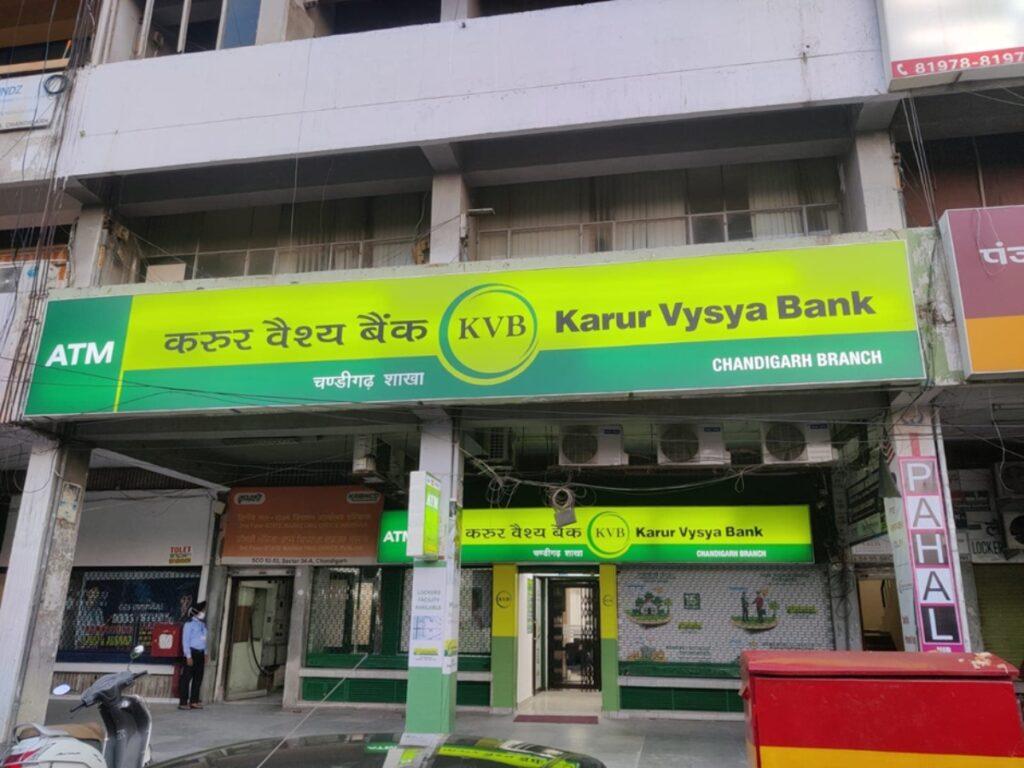
Karur Vysya Bank (KVB) is that old-school South Indian private bank that everyone thought would get eaten alive by HDFC and ICICI. Instead, it went keto—shedding GNPA kilos from 6% in FY22 to 1.4% in FY24—and is now flaunting a 17.6% ROE like a fresh gym selfie. Market cap? ₹19,870 Cr. P/E? Just 9.9. Basically, it’s trading like a budget bank but performing like a midlife crisis banker who discovered fintech.
2. Introduction
Founded in 1916 in Karur, Tamil Nadu, KVB started as a community bank for traders and farmers. Today, it has 894 branches (and counting) spread across India. The bank has survived license raj, PSU bank dominance, private bank aggression, fintech disruption, and even its own past NPA mess.
The bank’s latest makeover is the classic Bollywood “underdog-turned-hero” script. Think Govinda in the ’90s—ignored initially, then suddenly a box-office draw. Its NIM jumped to 4.2% (vs 3.8% two years back), slippages fell below 1%, and the GNPA number looks like a PSU bank’s dream.
Deposits have crossed ₹1 lakh crore, advances ₹74,000 crore, and customer base hit 79 lakh. But let’s not forget—CASA ratio has slipped to 30% (vs 35% in FY22). Translation: customers love KVB enough to borrow, but not enough to park free money. Typical desi relationship—“take my money, but don’t expect loyalty.”
3. Business Model – WTF Do They Even Do?
KVB runs on four engines:
Retail Banking (64%) – Gold loans, jewel loans (25% of advances!), housing, personal, SME loans. Basically, half the customers in Tamil Nadu have pledged grandma’s chain here.
Corporate/Wholesale (18%) – Loans to firms, partnerships, trusts. Risky, but manageable now.
Treasury (17%) – Government securities, bonds, derivatives, forex—aka “timepass with RBI bonds.”
Other Banking Ops (1%) – Bancassurance, demat, third-party distribution. Basically, the “adda snacks” of banking revenue.
What’s hot? Co-lending with NBFCs (₹1,900 Cr book already). Smart move: let NBFCs do the legwork in CV/construction lending while KVB earns interest without dirtying its own shirt.
What’s risky? Heavy reliance on jewel loans (25% of book). If gold prices fall, collateral turns from “temple asset” to “useless bangle.”
4. Financials Overview
Metric
Latest Qtr (Jun’25)
YoY Qtr (Jun’24)
Prev Qtr (Mar’25)
YoY %
QoQ %
Revenue
2,569
2,285
2,516
12.4%
2.1%
PAT
521
459
513
13.7%
1.6%
EPS (₹)
5.4
4.8
5.3
12.5%
1.9%
Commentary: EPS annualised = ~₹21 → P/E < 10. In an industry where peers like Kotak and HDFC Bank trade at 20x+, this is like buying a dosa at ₹30 in an airport where everything costs ₹300.
5. Valuation – Fair Value Range Only
P/E Method: EPS ₹21 × industry PE (12–15) = ₹250–₹315.
Fair Value Range: ₹220 – ₹300/share Disclaimer: Educational purposes only. Not investment advice.
6. What’s Cooking – News, Triggers, Drama
Branch Expansion: 80 lite + 20 regular branches planned in FY26. KVB is doing Swiggy’s “dark stores,” but for banking.
Recoveries: Pulled back ₹341 Cr from technically written-off accounts. Translation: chasing old borrowers with more energy than your ex’s WhatsApp stalking.