Varun Beverages Ltd (VBL) is PepsiCo’s loyal bottler-cum-franchisee that’s gone from pouring Pepsi in India to pouring Pepsi in 10 countries. Market cap? ₹1.68 lakh crore. Profits? ₹2,848 Cr. Margins? 24% OPM. P/E? A chilly 59. In short, this is a company that literally sells sugar water with better returns than some IT firms selling AI PowerPoint decks.
2. Introduction
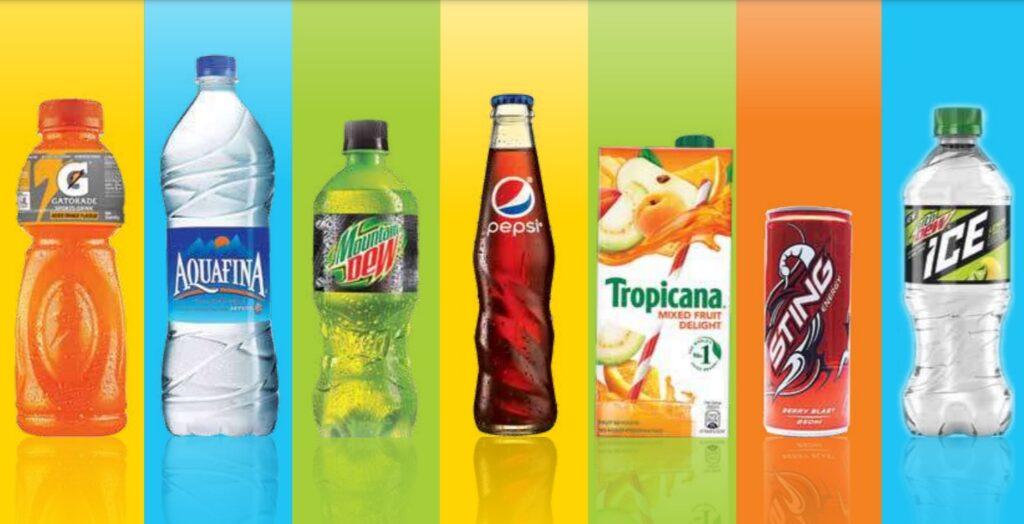
Since the 1990s, VBL has been Pepsi’s India bestie. The setup is simple: Pepsi gives the global brand halo, and VBL does all the sweaty lifting—manufacturing, distribution, and making sure every kirana shop has a fridge humming with Pepsi, Mountain Dew, and Sting.
In India, VBL touches every fifth human through its insane distribution network of 36 plants, 10.2 crore visi-coolers, and 2,500 depots. That’s not distribution—it’s borderline colonization. Outside India, they’ve invaded Africa (Morocco, Zambia, Zimbabwe, South Africa) and are now sniffing around snacks with Pepsi’s “Cheetos” and “Simba Munchiez.” Yes, they’re not just about fizz anymore, but also about chips to dip.
The company has been expanding like Ambani’s mall portfolio—new plants in Prayagraj, Himachal, Bihar, Odisha, and even Congo. And in South Africa, they dropped ₹13,200 Cr to acquire BevCo. Because why not, right?
So here’s the paradox: VBL has global ambitions, fat margins, and a monopoly-like franchisee model. But it trades at valuations that make your heart skip a beat. Is it a sugar rush or a sugar crash waiting?
3. Business Model – WTF Do They Even Do?
Varun Beverages doesn’t own Pepsi. It is Pepsi’s loyal sweatshop with style. Their gig:
Own brands: Creambell, Refreshh, Jive, Reboost. Basically fillers.
Add backward integration: they make their own bottle caps, PET preforms, corrugated boxes, crates, and shrink-wrap films. Even recycling—because if you’re selling 66,000 MT of PET plastic annually, you better look woke for ESG funds.
What’s unique? Their PepsiCo franchise runs till 2039. That’s like a 14-year Netflix subscription at fixed price—without commercials.
4. Financials Overview
Metric
Latest Qtr (Jun’25)
YoY Qtr (Jun’24)
Prev Qtr (Mar’25)
YoY %
QoQ %
Revenue
7,017 Cr
7,197 Cr
5,567 Cr
-2.5%
26.0%
EBITDA
1,998 Cr
1,991 Cr
1,263 Cr
0.3%
58.2%
PAT
1,317 Cr
1,262 Cr
731 Cr
4.4%
80.1%
EPS (₹)
3.89
3.86
2.15
0.8%
80.9%
Commentary: Despite unseasonal rains killing India’s “thirst season,” margins stayed rock solid. International ops bailed out India like an NRI uncle funding shaadi expenses.
5. Valuation – Fair Value Range Only
a) P/E Method
EPS (TTM): ₹8.5
Industry P/E: 86
Conservative band: 40–60x
Fair range: ₹340–₹510
b) EV/EBITDA Method
EV: ₹1.68 lakh Cr
EBITDA (TTM): ₹4,991 Cr
EV/EBITDA: ~33x
Fair multiple: 25–30x
Range: ₹375–₹450
c) DCF (Quick & Fizzy)
FCF muted due to capex, but assume 15% CAGR growth, discount 11%.
Range: ₹400–₹520
Fair Value Range (educational only): ₹375–₹520
Disclaimer: For education, not advice. Don’t blame us if you sell Coke and buy Pepsi.
6. What’s Cooking – News, Triggers, Drama
Acquisitions: Dropped ₹13,200 Cr to buy BevCo in South Africa. Now Pepsi in Africa is basically “Pesi.”
New Plants: Prayagraj, Meghalaya, Bihar, Odisha—India expansion on steroids.
Snacks Play: Started Cheetos in Morocco and Simba Munchiez in Zimbabwe/Zambia. If Pepsi’s cola doesn’t work, maybe chips will.
License till 2039: Pepsi’s permanent room partner. Unless Coke kidnaps them, relationship is rock solid.
Dividend: They keep it tiny—₹0.50/share. Enough to buy one sip of Pepsi.
Question: Should a beverage giant diversify into snacks, or is this just Pepsi telling Varun, “Boss, ab chips bhi tu hi bana”?