1. At a Glance
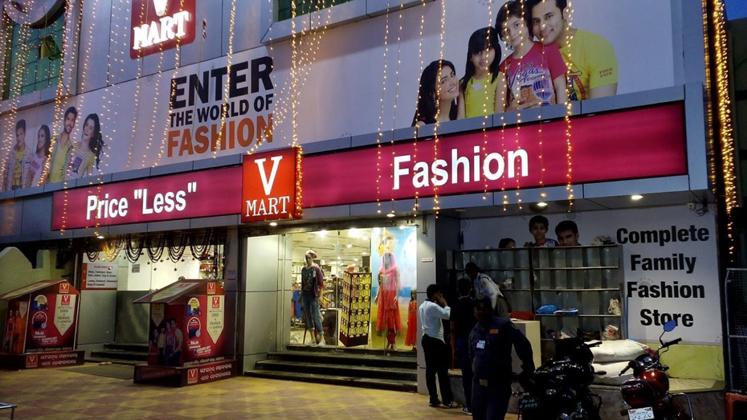
V-Mart runs 488 stores across India, mostly in Tier II/III cities where malls are a tourist spot and Big Bazaar is still remembered like an ex. They sell fashion between ₹80–₹800, making them the Zara of Patna and the H&M of Gorakhpur. Q1 FY26 was a blockbuster – ₹885 Cr revenue (+12.6% YoY), ₹34 Cr PAT (+177%) – but the stock trades at 114x P/E, proving investors love paying Louis Vuitton prices for Bata-level earnings.
2. Introduction
Retail in India is basically a Bollywood masala:
- Big guys like DMart hogging metros.
- Shoppers Stop pretending to be premium.
- Spencer’s bleeding red like a Netflix crime thriller.
And then, there’s V-Mart — hustling in small towns with cheap fashion and louder discounts.
Founded in 2002, V-Mart focused on Bharat long before “India vs Bharat” became a debate on Twitter. Their USP: clothes that look trendy, priced like ration rice.
But don’t let the “aam junta” target fool you. The stock is anything but value-for-money. It’s leveraged, low-ROE, zero-dividend, and yet priced like an FMCG giant. Investors aren’t buying fashion here — they’re buying hope that 500+ stores = future DMart. Problem? Hope has a P/E ratio too.
3. Business Model (WTF Do They Even Do?)
Think of V-Mart as the Flipkart of small towns, but offline.
Formats:
- V-Mart Aspire – Gen Z fashion (₹200 crop tops, ₹250 fake ripped jeans).
- V-Mart Plus – family fashion + household essentials.
- V-Mart Corporate – Gold Line fashion for working youth (read: shirts that look like Van Heusen but priced like Pantaloons sale).
- V-Mart Values – economic format, selling survival gear for Tier-4 India.
- LimeRoad – their online fashion marketplace, acquired to look “digital-first.” After bleeding money, they now call it a “turnaround.”
Revenue Split (Q3 FY25):
- Apparel = 80%
- Non-Apparel = 10%
- FMCG = 10%
Store Split:
- Tier 1 = 110
- Tier 2 = 55
- Tier 3 = 263
- Tier 4 =