1. At a Glance
Piccadily Agro started as a humble sugar-crusher in Haryana in 1997, but somewhere between molasses and margins, it realized whisky makes more money than white crystals. Today, 75% of revenue comes from distillery products, led by its surprise superstar brand Indri-Trini, now the fastest-growing single malt in the world. FY25 revenue touched ₹836 Cr, PAT at ₹108 Cr, and the stock trades at a nose-tingling 53x earnings—because apparently, investors think they’re buying Diageo, not Desi sugarcane rum.
2. Introduction
If you had ₹1,000 to bet in 1997, putting it in sugar stocks was like buying an Orkut premium account—looked sensible back then, aged like milk today. But Piccadily Agro (PAIL) saw the light—or more accurately, the liquor. What started as a 5,000 TCD sugar mill evolved into a full-blown alco-bev player with premium single malts, rums, and blended whiskies that now account for one-third of revenues.
The pivot is almost Bollywood-like: from being a side actor in the sugar industry to suddenly landing a lead role opposite Diageo’s United Spirits. Its flagship Indri-Trini grabbed a 30%+ share of India’s single malt market in just 2 years. That’s like a debutant scoring a century at Lord’s with one hand tied.
And while sugar revenues are shrinking faster than resolutions in February, alco-bev is exploding. Production of branded spirits went from 0.18 lakh cases in FY22 to 1.68 lakh cases in FY24. This is not “diversification”—this is a career change. Piccadily Agro is no longer a sugar company dabbling in alcohol; it’s a whisky company that tolerates sugar on the side.
3. Business Model (WTF Do They Even Do?)
Segments (FY25 H1):
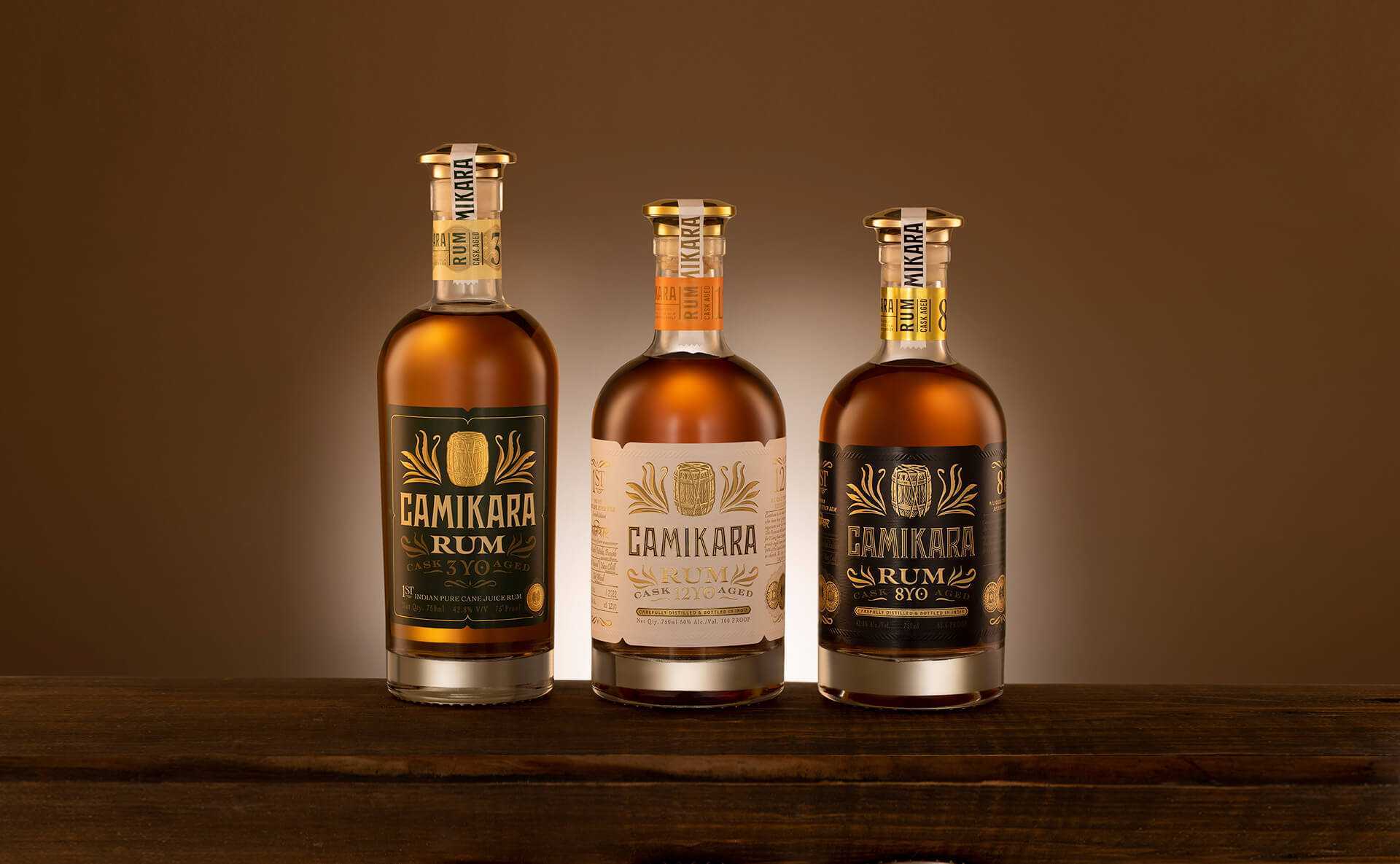
- Distillery (75%) → ENA, ethanol, country liquor, premium brands (Indri, Whistler, Royal Highland, Camikara). Fastest-growing and most profitable.
- Sugar (25%) → White sugar. Cyclical, seasonal, and about as exciting as a Monday morning.
Revenue Mix (FY24):
- Sugar – 33% (was 54% in FY22, RIP).
- Alco-Bev Brands – 33% (was 2% in FY22, boom).
- Country Liquor – 24%.
- Ethanol/ENA – 5%.
- B2B Malts – 5%.
Geography: 95% India, 5% exports to