At a Glance
Marico isn’t just selling hair oil; it’s practically bottling nostalgia (Parachute), health fads (Saffola), and urban hipster beards (Beardo) into profit. With a ₹92,300 crore market cap, 41% ROE, and dividend payout rates that could make your fixed deposit cry, this FMCG giant rules your kitchen, bathroom, and probably your Instagram ads. But here’s the twist: growth has slowed to a sluggish 8% over five years. So, while the margins shine brighter than your post-Livon hair, the sales chart looks like it’s on a diet.
Introduction
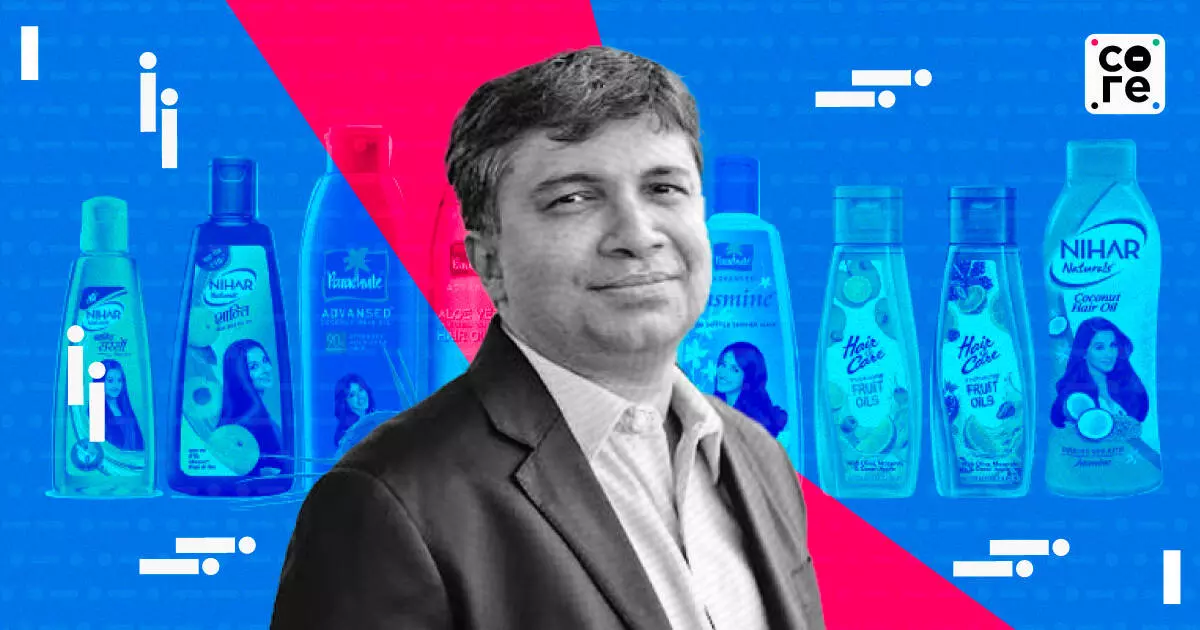
Picture this: You walk into any Indian household, and chances are there’s a blue Parachute bottle sitting on the shelf, staring at you like an FMCG deity. Marico, the company behind it, has been turning simple consumer goods into gold for decades. They’ve conquered the coconut oil market with a 62% share, snatched the oats crown with Saffola, and even ventured into male grooming, because why should only the oats feel premium?
Yet, not all is perfect in this wellness wonderland. The company is trading at a P/E of 57x, making it pricier than an organic cold-pressed avocado smoothie in South Delhi. Investors love the consistent returns, but they secretly hope Marico finds another growth engine before the valuation bubble pops. Is this FMCG royalty still worth bowing to? Let’s dive in.
Business Model (WTF Do They Even Do?)
Marico’s business model is straightforward: take essential products, wrap them in trust, and sell them at a premium. Their portfolio spans edible oils, hair care, skin care, grooming, and even breakfast foods. Revenue streams are split mainly between:
- Coconut Oil (Parachute, Nihar Naturals) – household monopoly.
- Edible Oils & Health Foods (Saffola, True Elements) – tapping into the “fitness influencer” economy.
- Hair & Personal Care (Livon, Set Wet, Beardo) – vanity products with juicy margins.
- Skin Care & Hygiene (Kaya Youth, Mediker) – because even lice treatments can be profitable.
The cherry? They operate in 25+ countries, with strongholds in Asia and Africa, making them an export