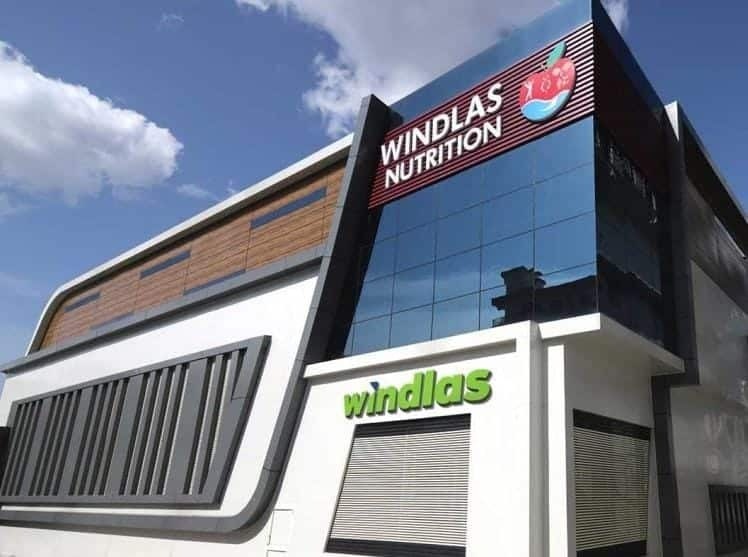
1. At a Glance – The ₹1,800 Cr Question Mark
Windlas Biotech is that mid-cap pharma CDMO stock which looks boring, sounds boring, but somehow keeps sneaking into serious portfolios. As of today, the company sits at a market cap of ₹1,805 Cr, trading at ₹856, down nearly 19% over the last year, while still managing a 3-year return of 51%. Classic pharma behavior: slow, steady, and occasionally moody.
Q3 FY26 numbers just landed with ₹233 Cr revenue (YoY +19.5%) but PAT of ₹15 Cr, down 3.7% YoY. That’s right — topline flex, bottom line sulk. The stock trades at a P/E of ~27, slightly below industry PE of ~29, ROCE at 17%, ROE at 12.8%, and debt so low (₹31 Cr) that bankers probably feel ignored.
But here’s the real hook: Windlas is not selling medicines, it’s selling capability. CDMO contracts, complex generics, chronic therapies, and now injectables. This is not a YOLO story — this is a “wait, measure, audit, and then maybe smile” story.
So the big question:
👉 Is Windlas just a steady formulation factory… or a quietly scaling CDMO machine?
Let’s open the files. 🗂️
2. Introduction – When Pharma Chooses to Stay Boring (On Purpose)
Windlas Biotech is not trying to be Sun Pharma. It’s not chasing blockbuster molecules or flashy USFDA warning letters. Instead, it has chosen the middle child strategy of Indian pharma: domestic CDMO + trade generics + selective exports.
Founded long before “CDMO” became a buzzword, Windlas has patiently built a reputation as a behind-the-scenes manufacturer for India’s biggest pharma brands. If Sun, Cipla, Eris, Intas, or Sanofi need a complex tablet manufactured without drama, Windlas is on speed dial.
And unlike many contract manufacturers who survive on two clients and prayers, Windlas has slowly diversified:
- 583 CDMO customers
- 7 of India’s top 10 pharma companies
- Top customer contribution down from 56.8% (FY20) to 35.5%
- (FY24)
That’s not hype. That’s risk management.
But before we clap too hard, remember: margins are decent, not explosive. ROE is stable, not sexy. And Q3 FY26 just reminded us that execution hiccups still exist.
So what exactly do they do all day in Dehradun? Let’s simplify.
3. Business Model – WTF Do They Even Do?
Think of Windlas as a pharma kitchen.
Other pharma companies bring recipes (or sometimes ask Windlas to design them), Windlas buys ingredients, cooks the pills, packs them, labels them, and sends them back. Windlas doesn’t own the brand — but it owns the process.
Segment 1: Generic Formulations CDMO (75% of H1 FY25 revenue)
This is the real business.
- Tablets, capsules, sachets, powders
- 99% product IP owned by customers
- Focus on complex generics
- Chronic therapies (anti-diabetic, cardiac, neuro) = 57–60% of portfolio
- 64% of FY24 products were complex generics
Why does this matter?
Because complex generics = higher margins + sticky clients + regulatory moat.
Once a pharma company trusts you with a complex product, they don’t change vendors like Wi-Fi passwords.
Segment 2: Trade Generics & Institutional (21%)
This is the volume play.
- 280 brands
- 996+ distributors
- Strong rural & semi-urban reach
- Tailwinds from Jan Aushadhi Yojana
Margins are lower, but cash flows are steady. This segment keeps factories running when
