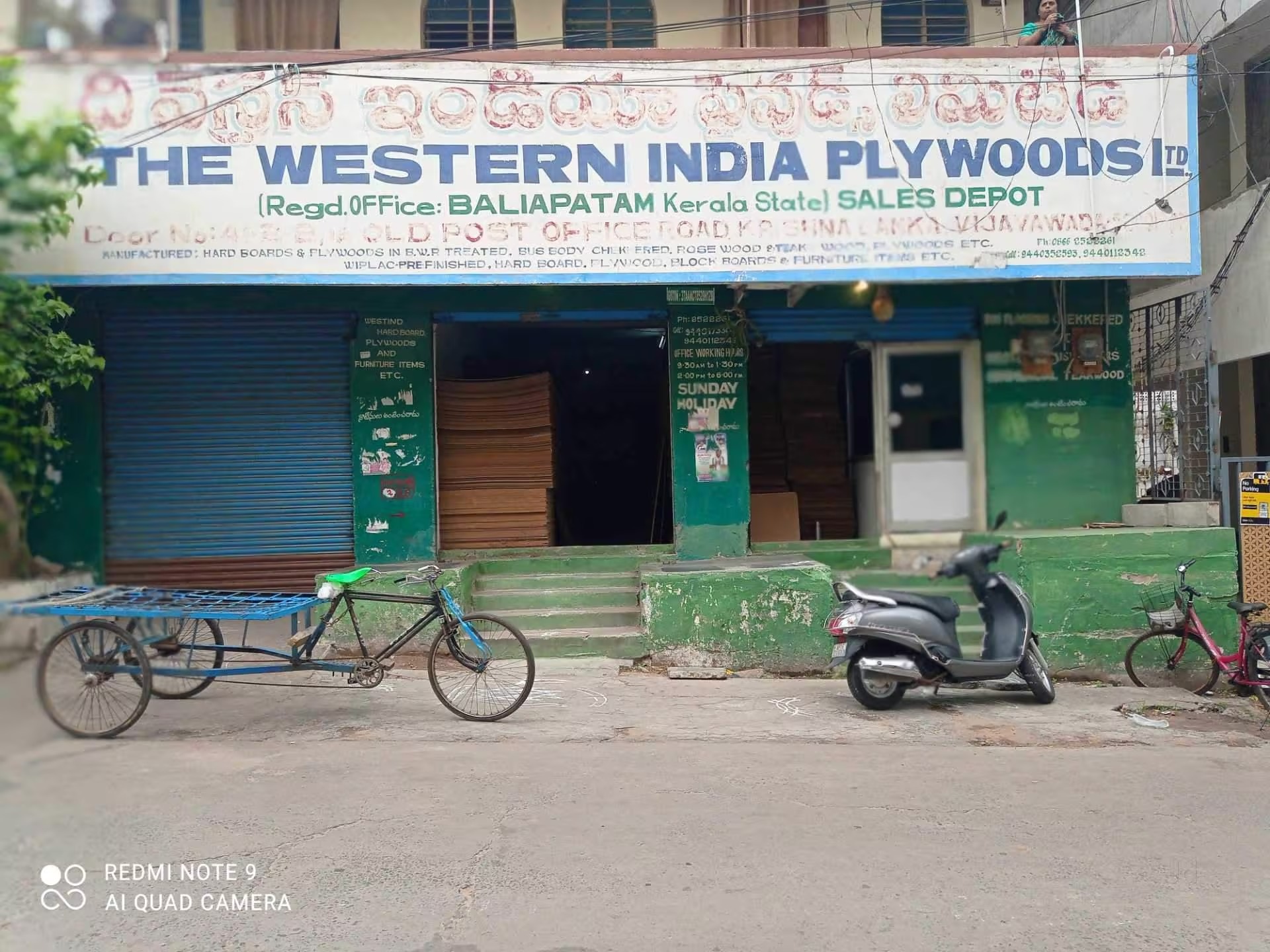
Western India Plywoods Ltd Q2 FY26 – When Hardboards Get Harder Than Profits, But Still Hold Their Ground
1. At a Glance
Welcome to the forest where profits are rare species and patience grows on trees. Western India Plywoods Ltd (WIPL), incorporated in 1945, is one of India’s oldest wood-based manufacturers producing hardboard, plywood, densified wood (Compreg), and wooden furniture. The company, headquartered in Kerala, stands at a market cap of ₹134 crore, trading at ₹158 per share as of 11 December 2025.
While the company’s revenue for Q2 FY26 stood at ₹29.92 crore, profits tumbled faster than a falling log—down 81% QoQ to just ₹0.19 crore. With a P/E ratio of 61.6, ROE of 6.32%, and ROCE of 8.52%, investors are basically paying for the company’s timber nostalgia more than its earnings. The stock has fallen 29.1% over the past year, which means even the termites have lost appetite.
But here’s the twist: despite being a smallcap rooted in the wood industry’s old-school manufacturing, WIPL still delivers dividends with a healthy payout ratio of 22.2%. It’s like a retired uncle—doesn’t run much but still hands out sweets during Diwali.
2. Introduction
Western India Plywoods is what happens when old industrial India refuses to retire. Founded when “Make in India” was not a slogan but a necessity under British rule, WIPL has spent decades crafting everything from aircraft plywood (yes, literal airplane parts) to densified wood used in transformer components.
But in a world of MDF and laminates, this Kerala-based veteran is fighting a war against synthetic substitutes and cheap imports. And yet, here it stands, polished and varnished, still making boards, flush doors, and compreg sheets when most of its peers have diversified into designer laminates and wall panels.
Think of WIPL as that old ambassador car—sturdy, loyal, and allergic to innovation. But hey, when you’ve survived 80 years of inflation, forest regulation, and plywood fashion changes, you deserve respect.
So, is Western India Plywoods a piece of vintage woodwork holding steady, or just another panel creaking under modern pressure? Let’s saw through the numbers and find out.
3. Business Model – WTF Do They Even Do?
Western India Plywoods operates an integrated wood complex in Kerala—a literal forest-to-factory operation. The company manufactures a broad range of products:
Plywood: Marine, Fire Retardant, Resin Surfaced Shuttering, and Boiling Water Resistant types. Basically, plywood that can survive anything except poor quarterly results.
Hardboards: Oil-tempered, perforated, and standard types used across furniture, industrial packaging, and construction.
Densified Wood (Compreg): Engineered materials like Wipcheck and Wiplam, used in railways, power, pharma packaging, and automotive interiors.
Furniture & Flooring: Tables, chairs, teak decks, and engineered flooring branded as Ultraklik.
Softboard & Precompressed Boards (Wipress): Used in transformer insulation—because someone has to keep India’s electricity boards running.
Its manufacturing capacity includes 34,750 TPA of hardboard, 25 lakh sq. meters of plywood, 3,500 TPA of densified wood, and 750 TPA of precompressed board.
Their raw materials—mainly softwood (firewood), timber logs, and veneers—are sourced both locally and from their Malaysian subsidiary, ensuring control over supply chains.
So yes, they literally import trees to make planks. If global warming ever needed a villain with good intentions, WIPL would qualify.
4. Financials Overview
Figures in ₹ crore
Source table
Metric
Latest Qtr (Sep 2025)
Same Qtr LY (Sep 2024)
Previous Qtr (Jun 2025)
YoY %
QoQ %
Revenue
29.92
31.09
29.01
-3.76%
+3.1%
EBITDA
0.82
1.96
1.16
-58.1%
-29.3%
PAT
0.19
1.00
0.34
-81.0%
-44.1%
EPS (₹)
0.22
1.18
0.40
-81.4%
-45.0%
Commentary: Sales dropped marginally YoY, but profits were hammered like a carpenter’s nail. Operating margins fell to 2.74%, showing how inflation, raw material costs, and weak demand all combined to turn a solid board into a thin veneer of profit. Annualised EPS based on this quarter? ₹0.88—giving an astronomical P/E of 180x if annualised. That’s not valuation; that’s wishful thinking.
5. Valuation Discussion – Fair Value Range
Let’s bring out the toolbox: P/E, EV/EBITDA, and a light DCF polish.
Method 1: P/E Method EPS (TTM) = ₹2.57 Industry P/E = 43.6 Fair Value Range = ₹2.57 × (35–45) = ₹90 to ₹115
Method 2: EV/EBITDA EV = ₹140 crore EBITDA (TTM) = ₹6 crore EV/EBITDA = 23.3× (industry average ~15×) If re-rated to 15× → Implied EV = ₹90 crore → Equity Value ≈ ₹100/share
✅ Fair Value Educational Range: ₹90 – ₹115 per share
Disclaimer: This fair value range is for educational purposes only and not investment advice. Even trees need trimming; so do valuations.
6. What’s Cooking – News, Triggers, Drama
Recent updates from 2025 show that the company continues to quietly file results and attend board meetings, which, in smallcap Kerala fashion, is itself an achievement.
In November 2025, WIPL declared its Q2 FY26 results showing that while sales held steady, profitability fell sharply—proof that inflation hits harder than an axe. The AGM held in September 2025 also confirmed routine business, with