1. At a Glance – Socks So Expensive They Come With Anxiety
Virat Industries Ltd is a ₹700 crore market-cap company selling socks worth roughly ₹29 crore a year. Let that sink in slowly, preferably with chai. At a current price of ₹482, the stock trades at a face-melting P/E of ~172, with ROE at 3.46% and ROCE at 4.79%—numbers that look less like returns and more like polite apologies.
Q3 FY26 (Dec 2025) revenue came in at ₹5.85 crore, down 7.3% YoY, while PAT jumped to ₹1.18 crore, up a meme-worthy 883% YoY—mostly because last year’s base was tragic. Margins are thin, volatility is thick, and valuations are living in an alternate universe.
Debt? Zero. Inventory? A lot. Cash flows? Moody teenager vibes. Promoters? Now holding 74.55% after a dramatic reshuffle. The stock is priced like Page Industries but performs like… well, a sock manufacturer exporting to Europe in a volatile textile cycle. Curious? You should be. Nervous? Also yes.
2. Introduction – The Curious Case of the ₹700 Cr Sock Drawer
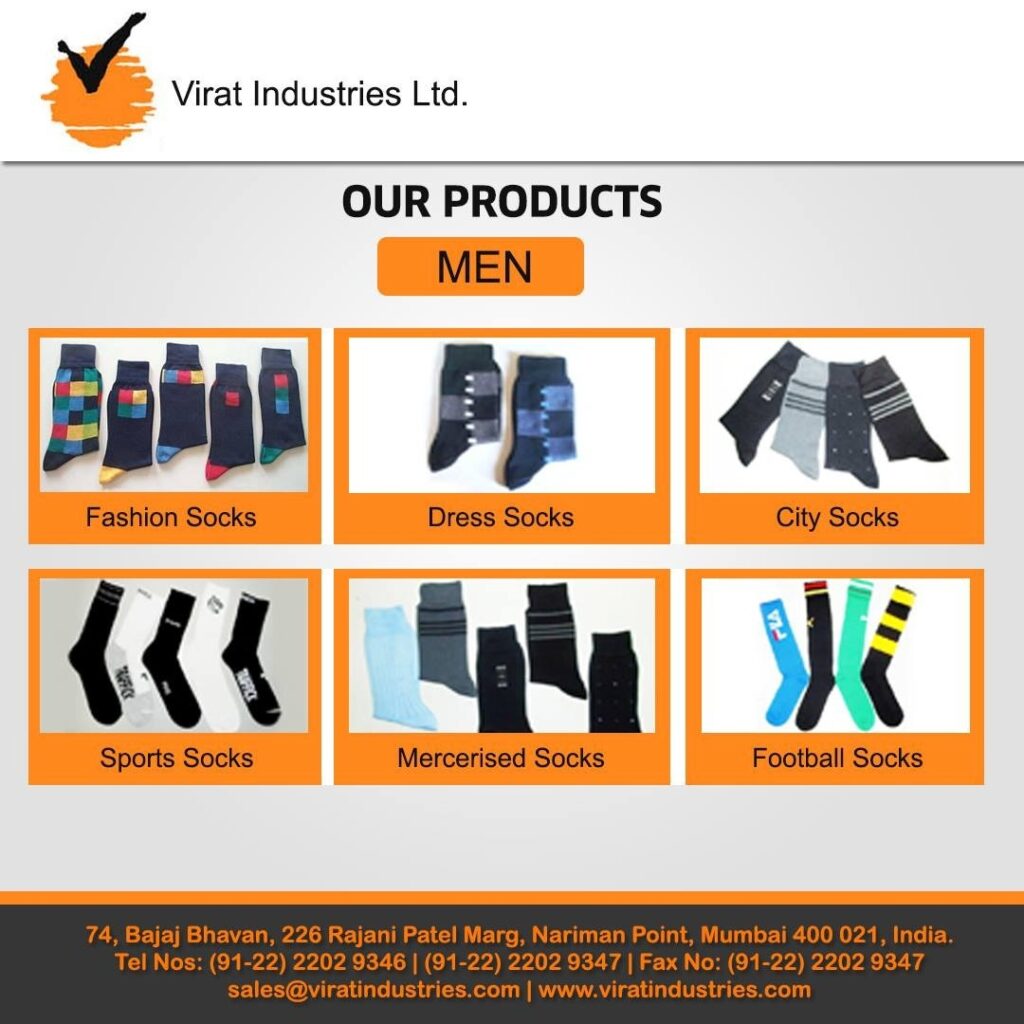
Virat Industries has been around since 1995, quietly knitting socks in Gujarat while exporting to the UK and Switzerland. The business itself is not shady, flashy, or futuristic. It’s socks. Literal socks. Dress socks, sports socks, football socks—if it goes on a foot, Virat has probably knitted it at some point.
And yet, the stock market has decided this humble hosiery maker deserves valuations usually reserved for luxury brands, monopolies, or companies that discovered fire. Sales over the last five years have grown at ~4% CAGR, profits have declined over 5 years, and
ROE has been stuck in low single digits.
So why is the stock priced like a Silicon Valley startup? That’s the mystery we’re here to investigate—with numbers, sarcasm, and zero mercy.
3. Business Model – WTF Do They Even Do?
Virat Industries is a contract manufacturer of socks, primarily for export markets. Translation: customers tell them what to make, Virat makes it, ships it, and waits for payment. No branding power. No pricing muscle. No emotional connection with consumers’ feet.
- Uses computerized knitting machines from Lonati & Matec (Italy) and KTM (Korea)
- Factory engineered by Gherzi (Switzerland)
- Installed capacity: 8.7 million pairs per annum
- FY23 production hit 97.04 lakh pairs, dispatches at 84.01 lakh pairs
Clients include John Lewis, Ted Baker, Migros, Shoe Mart, and approved supplier status to Puma (UK). Solid clients, yes—but still B2B, order-driven, and margin-constrained.
In short: excellent manufacturing, zero brand moat, and profitability depends on cotton prices, FX rates, and European demand moods.
4. Financials Overview – The Numbers That Caused Trust Issues
Quarterly Comparison Table (₹ Crore)
| Metric | Latest Qtr (Dec-25) | YoY Qtr (Dec-24) | Prev Qtr (Sep-25) | YoY % | QoQ % |
|---|---|---|---|---|---|
| Revenue | 5.85 | 6.31 | 7.24 | -7.3% | -19.2% |
| EBITDA | 0.28 | 0.33 | 0.74 | -15.2% | -62.2% |
| PAT | 1.18 | 0.12 | 1.82 | +883% | -35.2% |
| EPS (₹) | 0.81 | 0.24 | 1.25 | +237% | -35.2% |
