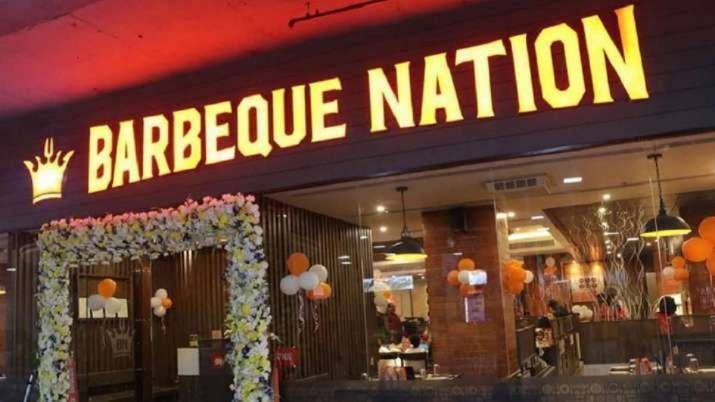
1. At a Glance – Buffet Full, Wallet Empty
United Foodbrands Ltd (formerly known to most people by what really matters — Barbeque Nation) is a ₹711 crore market-cap casual dining chain trading at ₹181, down ~44% over one year. Yes, the grill is hot, but the stock chart is colder than yesterday’s leftover kebabs.
Q3 FY26 numbers dropped with ₹376.6 crore revenue, up 14.5% YoY, while PAT stayed negative at ₹-7.7 crore. ROCE is limping at 4.57%, ROE is negative, and debt has ballooned to ₹826 crore. Interest coverage? 0.16 — basically the company is paying interest by politely requesting mercy from lenders.
Yet, this is not a dying dhaba. This is a brand with 230 restaurants, international presence, premium dining ambitions, and institutional shareholders who clearly enjoy pain.
So the question is simple:
Is this a temporary indigestion phase, or is the buffet model structurally broken?
2. Introduction – From IPO Sizzle to Balance Sheet Heartburn
Once upon a time, Barbeque Nation was the darling of India’s casual dining IPO party. The pitch was simple: unlimited food, predictable footfalls, operating leverage, and scale economics. Investors bought the story. Customers bought the buffet. Only profitability forgot to show up consistently.
Fast forward to FY26, and the story has evolved into something more complex. Revenue has crossed ₹1,271 crore TTM, but profitability continues to oscillate like a waiter who can’t decide between paneer tikka and chicken wings.
The company is now rebranded in the market as United Foodbrands Ltd, but the business DNA remains the same:
High fixed costs, aggressive expansion, debt-funded growth, and margins that collapse the moment footfalls sneeze.
COVID broke the model once. Inflation tested it again. High rentals, staff costs, and interest expenses are now stress-testing it daily.
And yet, despite all this, the company continues to expand internationally and add new brands. Which raises an uncomfortable but necessary
question:
Is growth being chased because it creates value, or because it delays pain?
3. Business Model – WTF Do They Even Do?
At its core, United Foodbrands runs casual dine-in restaurants, primarily under the Barbeque Nation brand.
Core Formats:
- Barbeque Nation India – flagship buffet dining
- Barbeque Nation International – overseas outlets
- Premium CDR – SALT & Toscano (fine dining)
- Delivery – limited but growing
- Ice-cream via Willow Gourmet (Omm Nom Nomm) – cloud-first indulgence
The model depends on:
- High table turnover
- Predictable weekend footfalls
- Controlled food costs
- Tight rental negotiations
The problem?
Restaurants don’t scale like software. Every new outlet adds:
- Rent
- Staff
- Depreciation
- Interest (because expansion isn’t cheap)
So while revenue grows linearly, risk compounds exponentially.
Explain this business to a lazy investor and it goes like this:
“They sell unlimited food, but the losses are not unlimited — just very persistent.”
4. Financials Overview – Numbers Don’t Lie, They Just Roast
Quarterly Comparison Table (₹ crore)
| Metric | Latest Qtr (Q3 FY26) | YoY Qtr | Prev Qtr | YoY % | QoQ % |
|---|---|---|---|---|---|
| Revenue | 376.6 | 328.9 | 304.8 | 14.5% | 23.6% |
| EBITDA | 54.8 | 61.5 | 37.7 | -10.9% | 45.3% |
| PAT | -7.7 | 5.1 | -22.5 | -256.7% | 65.9% |
| EPS (₹) | -1.82 | 1.16 | -5.68 | NA | NA |
Annualised EPS (Q3 average rule):
Average EPS (Q1–Q3 FY26) = (-5.18 + -4.20 + -1.82) / 3 ≈ -3.73
Annualised EPS ≈ -14.9
Yes, still negative.
So revenues are growing, EBITDA is volatile, and PAT
