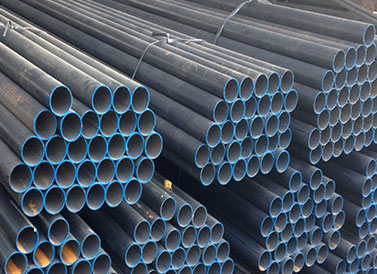
Surani Steel Tubes Ltd – a company that makes steel pipes, coils, and hollow sections – sounds like the backbone of “Make in India.” But zoom in and you’ll find that while sales are shiny (₹225 Cr FY25), profits are thinner than papad. With a stock P/E near 46 and ROE at a depressing 3%, the company is basically shouting: “Please don’t compare me to APL Apollo, I’m still learning multiplication tables.”
2. Introduction
Once upon a time (2012), Surani entered the steel tubes business. Fast forward to today: they’ve got 300+ dealers in Gujarat, they’ve sold an entire plant for survival money (₹3.75 Cr advance), and they’re still running marathons in floaters.
Investors got a taste of the company’s stock volatility—last year the share price fell 67%. Yes, 67%. That’s like throwing money into a tube and watching it roll down Sabarmati river.
But hey, the sales growth TTM is 45% and profit growth is 530% (on a low base, of course). The only problem: margins are 0.6%. That’s like running a dhaba where you sell 100 plates of pav bhaji a day and earn just enough to buy extra onions.
Question for you: Would you ride a bike made with Surani’s steel pipes, knowing their margins are this fragile?
3. Business Model (WTF Do They Even Do?)
Surani makes steel tubes and pipes. The business is as glamorous as it sounds. Their product categories:
ERW Mild Steel Pipes – basically welding current into pipes and praying they don’t leak.
Mild Steel Tubes – in square, round, and rectangular, because steel also believes in yoga flexibility.
MS Coils – hot rolled, cold hopes.
MS Hollow Sections – square and rectangular hollowness, just like their PAT margins.
The company relies on its dealer network in Gujarat. Think of it as an Amul model but without the farmer love, brand pull, or butter profits.
Surani’s model is volume-driven: sell more pipes, make less money per unit, hope economies of scale save the day. Except so far, scale is missing, and economy is only in the debt-to-equity ratio (0.28, which is surprisingly low).
Commentary: Revenue growth looks good, but margins are thin like free tissue paper in restaurants. EPS barely buys half a cutting chai, yet the market values it like it’s Nescafé cappuccino.
5. Valuation (Fair Value RANGE only)
Method 1 – P/E Based Industry P/E ≈ 24. Let’s be generous and give Surani 20–25 (lower due to weak margins). FV Range = EPS ₹1.28 × (20–25) = ₹26–₹32.
Method 2 – EV/EBITDA EV = ₹175 Cr. EBITDA ≈ ₹3.75 Cr (annualised). EV/EBITDA ≈ 46.5. Industry trades around 12–15. Fair EV = 12 × 3.75 = ₹45 Cr → Market cap FV ≈ ₹40–₹45 Cr → FV/share ≈ ₹25–₹30.
Method 3 – DCF (Pipe Dream) Assume sales growth 15% CAGR, margin improves to 3% over 10 years. Discount 12%. FV lands around ₹28–₹36.
📌 Educational FV Range: ₹25–₹36. (Disclaimer: For educational purposes only, not investment advice.)
6. What’s Cooking – News, Triggers, Drama
Plant Sale: In FY22, Surani literally sold its Gandhinagar plant for ₹3.75 Cr advance. Not a good look. Imagine Ola selling scooters’ charging stations to pay rent.