Supreme Industries Limited Q3 FY26 – ₹2,687 Cr Revenue, PAT Slips 18% YoY, Stock Still at 52× P/E: Plastic Fantastic or Valuation Gymnastics?
1. At a Glance – Blink and You’ll Miss the Margin
Supreme Industries is what happens when plastics meet discipline. Market cap of ₹42,549 Cr, current price ₹3,349, and a stock that has corrected ~19% in 3 months like it suddenly discovered gravity. Q3 FY26 revenue came in at ₹2,687 Cr, up 7% YoY, but PAT dropped to ₹153 Cr, down 18% YoY. And yet… the stock still trades at 52× earnings. Debt? Almost non-existent (D/E 0.06). ROCE? A solid 22%. Dividend yield? A polite 1%, like a thank-you note, not a gift. So the obvious question: is the market pricing Supreme as a steady compounder temporarily embarrassed by PVC prices—or as a growth stock that forgot to grow this quarter?
2. Introduction – When Consistency Meets a Moody Quarter
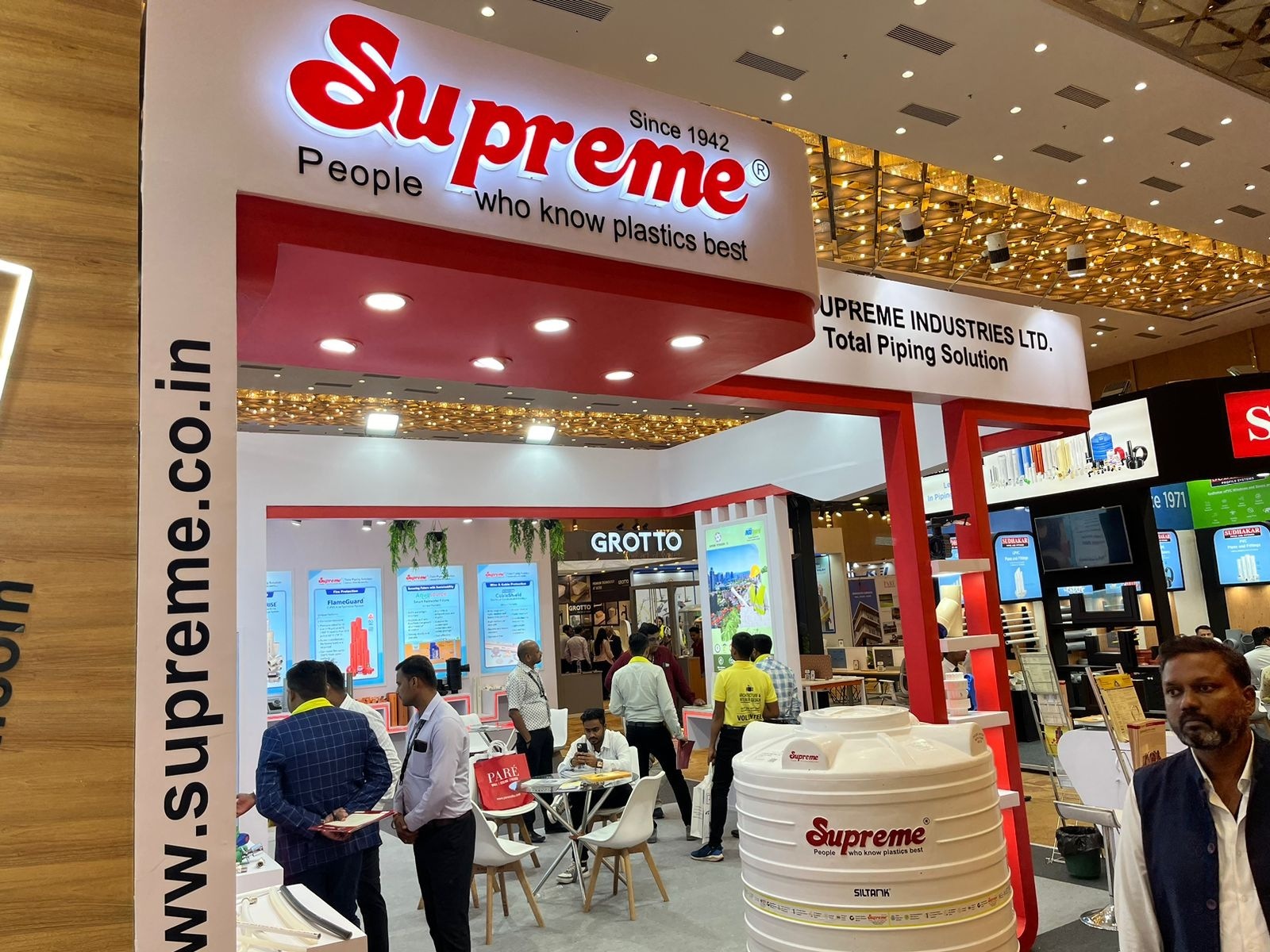
Supreme Industries is not a hype story. It doesn’t tweet. It doesn’t chase buzzwords. It quietly lays pipes—literally—across India. For decades, it has benefited from urbanisation, sanitation drives, irrigation projects, and every government scheme that involves water going from Point A to Point B.
But Q3 FY26 reminded investors that even boring compounders can have boring (and slightly painful) quarters. PVC resin prices stayed unfriendly, infrastructure demand didn’t wake up on time, and margins decided to take a chai break.
The irony? This “weak” quarter still delivered ₹153 Cr PAT, a level many midcaps would throw a DJ party for. Yet Supreme is judged on a different scale—because when you trade at 50+ P/E, the market expects perfection, not excuses.
3. Business Model – WTF Do They Even Do?
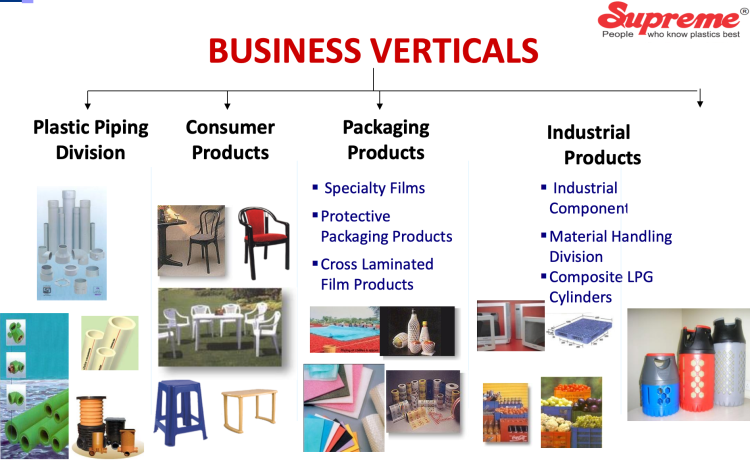
In simple terms: Supreme sells plastic. In complex terms: Supreme sells 14,000+ SKUs of engineered plastic products across pipes, packaging, industrial components, furniture, and composite cylinders.
Plastic Piping (67%) – The main character. uPVC, CPVC, HDPE pipes for plumbing, irrigation, fire safety, and infrastructure.
Packaging Products (16%) – Films, insulation, protective packaging. Less glamorous, more stable.
Consumer Products (4%) – Plastic furniture. Yes, that Supreme chair at your cousin’s wedding.
This is a volume-driven, capex-heavy, margin-sensitive business. Raw material prices matter. Logistics matter. Demand timing matters. Supreme wins by scale, distribution (6,000+ distributors), and execution—not by storytelling.