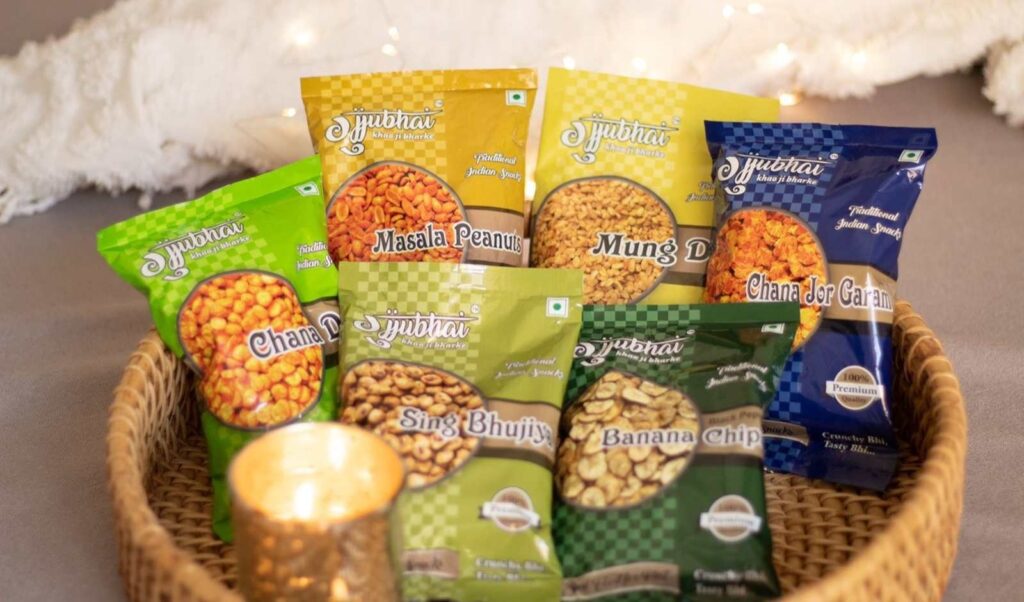
1. At a Glance
₹177 Cr market cap. Stock chilling at ₹249. Quarterly sales of ₹21.17 Cr with a healthy-looking 24.3% YoY growth, while profits jog behind at 8.45% YoY. ROE at 19.1%, ROCE 22.7%, debt low-ish at ₹3.68 Cr, but promoter holding also on a diet at 27.7%.
Sounds tasty? Wait. The stock trades at 57x earnings, 9.97x book, EV/EBITDA 45.6x, and throws zero dividend at shareholders.
So what is this?
A high-growth FMCG challenger?
Or a dry fruits trader wearing a Nestlé valuation costume from Meesho?
Let’s open the packet and read the ingredients list.
2. Introduction – From Penny Dust to Premium Masala
Sumuka Agro is one of those companies that slept for a decade, woke up during COVID, discovered packaged food margins, and suddenly decided it’s an FMCG star.
From ₹1–2 Cr sales pre-FY22, the company exploded to ₹79.29 Cr TTM revenue. That’s not growth — that’s reincarnation.
But here’s the twist:
Margins have fallen every year since FY23, debtor days have ballooned to 176 days, operating cash flows are consistently negative, and valuation is pricing in a perfect future with no bad monsoons, no competition, and infinite almonds.
Also, there’s a related party called Gujjubhai Foods, now being merged in — because why keep drama outside the family?
This is not a boring company. This is a spicy one.
3. Business Model – WTF Do They Even Do?
Sumuka Agro is essentially a trader + distributor
+ brand aspirant.
What they sell:
- Dry fruits
- Namkeen & snacks
- Ready-to-cook items
- Spices & sweets
- Packaged food online
- Himalayan Salt (launched FY24, because premium vibes)
What they don’t do:
- Manufacturing at scale
- Asset-heavy processing
- Moat creation (yet)
They source products, brand them (sometimes), distribute aggressively, and focus on volume-led growth.
Distribution footprint claims 100,000+ outlets, primarily in Telangana and Tamil Nadu. Sounds impressive, but remember — modern FMCG distribution is easy to start, hard to profit from.
Question for you:
Is Sumuka a brand company… or just a glorified kirana supplier with PowerPoint ambition?
4. Financials Overview – Growth Yes, Margins No
Quarterly Comparison (₹ in Crores)
| Metric | Latest Qtr (Dec’25) | YoY Qtr | Prev Qtr | YoY % | QoQ % |
|---|---|---|---|---|---|
| Revenue | 21.17 | 17.03 | 20.93 | 24.3% | 1.1% |
| EBITDA | 0.90 | 0.98 | 0.88 | -8.2% | 2.3% |
| PAT | 0.77 | 0.71 | 0.75 | 8.45% | 2.7% |
| EPS (₹) | 1.08 | 1.00 | 1.06 | 8.0% | 1.9% |
Annualised EPS (Q3):
Average of Q1–Q3 EPS × 4 ≈ ₹4.24
At ₹249 CMP → P/E ≈ 58x.
Growth is real.
Operating leverage is missing.
Margins are allergic to scale.
5. Valuation Discussion – Maths vs Masala
1️⃣ P/E Method
- EPS (annualised): ₹4.24
- Reasonable FMCG trading multiple
