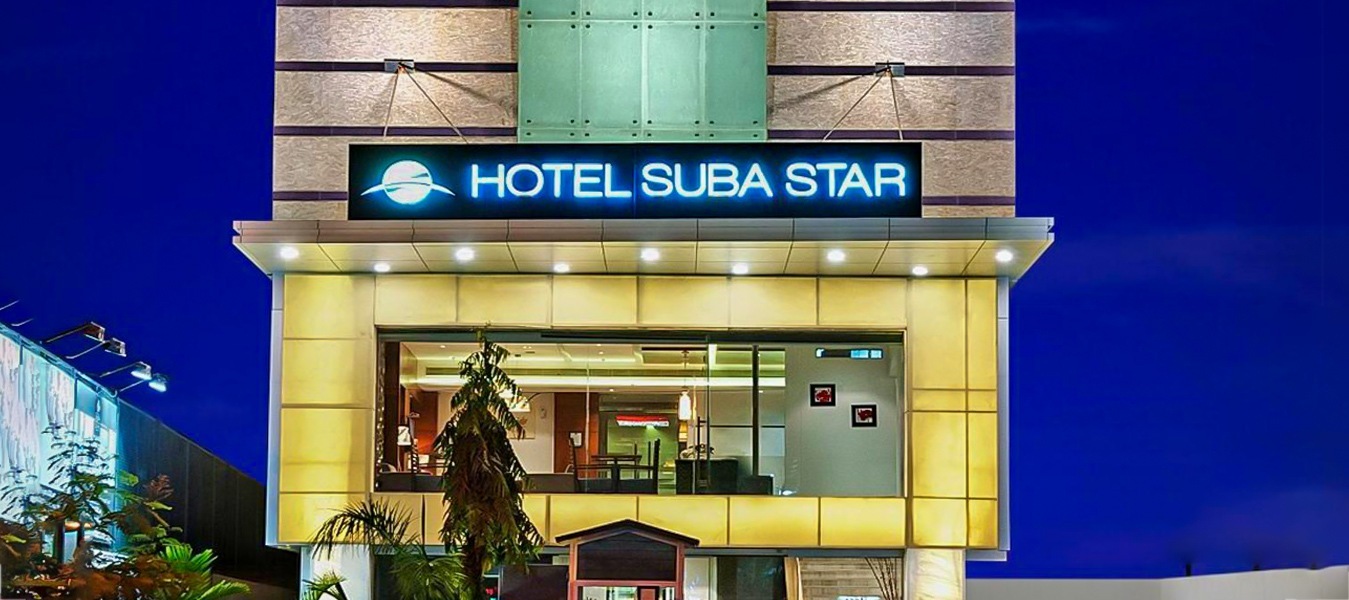
Suba Hotels Ltd H1 FY26 – ₹44 Cr Half-Year Revenue, ₹5 Cr PAT, 38% ROE… and 88 Hotels Later, Are They Building Rooms or Printing Cash?
1. At a Glance – Check-in Counter Pe Sab Line Lagi Hai
Suba Hotels Ltd is what happens when someone looks at India’s Tier-2 and Tier-3 cities and says, “Yahan toh shaadi bhi hoti hai, mandir bhi, aur sales guy bhi aata hai — hotel toh chahiye hi.” With a market cap of roughly ₹371 crore and a current price hovering around ₹153, Suba is not pretending to be a luxury palace like Udaipur royalty, but it’s also not a shady lodge with flickering tube lights. This is mid-market hospitality — clean beds, decent breakfast, and Wi-Fi that mostly works.
As of July 2025, the company operates 88 hotels with over 4,100 rooms across 50+ cities, and about 81% of these are in emerging markets. Translation: less competition, more wedding guests, fewer influencers. The latest half-year results (H1 FY26) show sales of ₹44 crore and PAT of ₹5 crore, with EPS of ₹3.00 for the half year. Annualised EPS lands at ₹6.00, which suddenly makes that P/E of ~21.8 look… interesting.
Add to that a ROE of nearly 38%, ROCE above 24%, and quarterly profit growth of almost 58%, and you start wondering — is this a hotel company or a chai tapri on a railway platform during peak hours?
But wait. Promoter holding fell sharply post-listing, debt is ₹57 crore, debtor days are stretching like hotel checkout times, and this is an SME stock freshly out of IPO honeymoon. Curious yet? Good. Let’s check in properly.
2. Introduction – Mid-Market Hotels: No Jacuzzi, No Drama, Just Cash Flow
Indian hospitality has two extremes. On one side, five-star luxury where a pillow costs more than your monthly rent. On the other, budget hotels where you pray more than you sleep. Suba Hotels has parked itself comfortably in the middle — the mid-market sweet spot where business travellers, religious tourists, and wedding guests coexist peacefully.
Founded with a focus on Tier-2 and Tier-3 cities, Suba didn’t chase Mumbai or Delhi real estate nightmares. Instead, it built scale where land is cheaper, demand is sticky, and weddings last three days minimum. Their brand mix — Suba, Click, Quality Inn, GenX, Clarion, Comfort, and RnB — covers everything from “corporate visit” to “family pilgrimage with 12 relatives.”
The company follows a diversified asset-light-ish model: some owned hotels, many leased, revenue-share properties, and a large franchised portfolio. This keeps capex under relative control while allowing rapid room additions. Over the last three years alone, they added more than 3,700 rooms. That’s not expansion — that’s hotel version of speed dating.
IPO happened in October 2025, raising ₹71.5 crore mainly for capex upgrades and general corporate purposes. No exotic promises, no “blockchain hospitality platform” nonsense. Just beds, rooms, guests, and cash registers.
But can this growth sustain? Or is this just post-COVID revenge travel sugar rush? Let’s see what they actually do.
3. Business Model – WTF Do They Even Do?
Imagine explaining Suba Hotels to a busy investor uncle:
“They don’t own most hotels. They manage, lease, franchise, and revenue-share them. Basically, they run hotels without always paying for the land.”
Suba operates under multiple models:
Owned hotels (about 22% of portfolio value)
Managed hotels (very small share)
Revenue share & lease (nearly half the portfolio)
Franchise model (brand licensing + operational support)
This mix allows fast scaling without loading the balance sheet with land and buildings. Their brands are positioned smartly:
Suba for premium business travellers
Click Hotels for midscale corporate guests
Quality Inn & Comfort (international brands) for upper-midscale credibility
GenX & RnB for younger or budget travellers
Revenue comes from room tariffs, food & beverage, management fees, franchise fees, and revenue share. Customer mix is ~56% B2C and 44% B2B, which balances weekday corporate occupancy with weekend leisure and religious tourism.
Question for you: would you rather fight Taj and Marriott in metros, or quietly dominate Indore, Ujjain, Ayodhya, and Guwahati?
Suba chose peace. And margins.
4. Financials Overview – Numbers Don’t Need Room Service
Result Type Lock: Half Yearly Results EPS Annualisation Rule: Half-year EPS × 2
Half-Year Financial Comparison (₹ Cr)
Source table
Metric
Latest H1 FY26
H1 FY25
Previous Period
YoY %
QoQ %
Revenue
44
29
35*
51.7%
~25%
EBITDA
9
6
~7
50%+
–
PAT
5
3
~4
66%+
–
EPS (₹)
3.00
1.90
–
57.9%
–
*previous period approximated from expense and profit progression already disclosed in filings.
Annualised EPS = ₹3.00 × 2 = ₹6.00
At CMP ₹153, implied P/E ≈ 25.5 on annualised H1 earnings. Still below