1. At a Glance
Star Cement just dropped its Q3 FY26 numbers and the market yawned like it was yesterday’s dal-chawal. Revenue at ₹880 crore (+22.4% YoY), PAT at ₹74 crore (up a mind-bending 773% QoQ thanks to base effects), operating margins at a comfy ~23%, and yet the stock is chilling at ₹215 — closer to its 52-week low than its ego.
Market cap stands at ~₹8,707 crore. ROCE? A modest 8.39%. ROE? Even more modest at ~6%. Debt? ₹643 crore, still manageable. Capacity? 7.67 MTPA cement with fresh units warming up. And yet, returns over the last 6 months are a painful -18%.
So what’s happening here? Is Star Cement quietly laying foundations for the next decade while the market is busy flirting with Adani cement stocks? Or is this just another regional cement story stuck in low-ROCE purgatory?
Grab your helmet. Cement dust ahead.
2. Introduction – A Cement Giant in the Northeast, Ignored Everywhere Else
Star Cement is that topper from the Northeast who dominates the class locally but doesn’t get invited to the Delhi cocktail party. Largest cement manufacturer in North-East India with ~26% market share, enviable limestone reserves, strong dealer network, and still treated like a side character in the national cement blockbuster.
Founded with a clear regional moat, Star Cement has built its dominance brick by brick across Assam, Meghalaya, West Bengal, Bihar, and nearby states. Logistics advantages, proximity to limestone, and a strong PPC-heavy portfolio make it structurally sound.
But here’s the twist: cement is a brutal business. Capital intensive, cyclical, and allergic to high ROE unless you’re UltraTech with scale superpowers. Star Cement sits somewhere in between — not tiny, not giant, not flashy, not broken.
And the last year? Full of drama. CEO resignation. MD resignation. Fresh capex. New limestone blocks. Renewable energy tie-ups. Dividend announcements. The company did everything except re-rate.
So the real question: is Star Cement boring… or quietly dangerous (in a good way)?
3. Business Model – WTF Do They Even Do?
At its
core, Star Cement does exactly what its name suggests: it digs limestone, burns it aggressively, and sells grey powder to people building houses, roads, and political dreams.
Product Mix
- PPC (Portland Pozzolana Cement) – 84% of sales
- OPC (43 & 53 grade) – 16% of sales
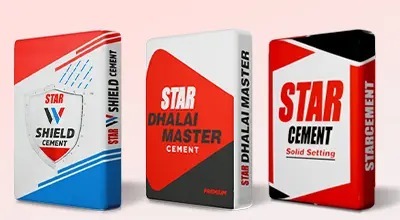
- Premium variants like Anti-Rust and Weather Shield for margin seasoning
PPC dominance makes sense — better margins, better durability, and strong demand in the East & Northeast where humidity laughs at poor cement quality.
Sales Mix (Q2 FY26 snapshot)
- Trade sales: 80%
- Non-trade (institutional): 20%
- Geography:
- North-East: 71%
- East & others: 29%
- Logistics:
- Road: 91%
- Rail: 9%
This is a regional fortress model. Shorter lead distances = better realizations. But also means growth is capped unless Star expands meaningfully outside its comfort zone.
So yes, the business is boring. But boring businesses print cash when executed well. Question is — are they?
4. Financials Overview – Numbers That Look Better Than the Stock Price
Quarterly Performance Table (₹ crore)
| Metric | Latest Qtr (Q3 FY26) | YoY Qtr (Q3 FY25) | Prev Qtr (Q2 FY26) | YoY % | QoQ % |
|---|---|---|---|---|---|
| Revenue | 880 | 719 | 811 | 22.4% | 8.5% |
| EBITDA | 202 | 104 | 190 | 94.2% | 6.3% |
| PAT | 74 | 9 | 71 | 722% | 4.2% |
| EPS (₹) | 1.85 | 0.22 | 1.78 | 741% | 3.9% |
Yes, YoY numbers look insane because last year’s base was weak. Calm down.
EPS Annualisation
Q3 FY26 EPS values available for Q1, Q2, Q3 FY26:
- Q1 FY26 EPS: 2.44
- Q2 FY26 EPS: 1.78
- Q3 FY26 EPS: 1.85
Average EPS = (2.44
