Source Natural Foods & Herbal Supplements Ltd H1 FY26 – When Ayurveda Meets EBITDA, and Turmeric Turns Into Turnover
1. At a Glance
If Ayurveda had a balance sheet, Source Natural Foods & Herbal Supplements Ltd would probably audit it. At ₹139 per share (as of 10 Dec 2025), this Sriveda Sattva-backed wellness player sits at a modest market cap of ₹89.4 crore — the kind of size that makes analysts wonder whether it’s a stock or just a spiritual experiment. The company’s P/E ratio of 30 isn’t smallcap cheap; it’s “premium chai with ashwagandha dust” pricing.
Sales for the latest quarter (Q2 FY26 or September 2025) hit ₹16.95 crore, up a solid 65.2% YoY, proving that immunity and inflation both grow rapidly in India. But profit didn’t exactly do Surya Namaskar — PAT stood at ₹0.70 crore, down 16.7% QoQ, suggesting that while Ojasvita may energize consumers, the margins could use a little pranayama.
ROCE at 16.6% and ROE at 13.9% show a decently profitable operation, though not divine enough to levitate. Promoters, the Sri Sri Tattva parent, still hold 74.37%, ensuring control remains firmly in ashram hands. With debt at ₹6.54 crore, debt-to-equity of 0.28, and zero dividends, this is a pure reinvestment story — or as they’d call it in spiritual finance, “karma compounding.”
2. Introduction
Ayurveda meets capitalism — and Source Natural Foods is trying to package it in PET bottles, blister packs, and chai masala jars. Founded in 1998, the company started as a modest herbal supplement maker and has now evolved into a full-spectrum player in Ayurveda, health & dietary supplements, and herbal foods. Think of it as the FMCG cousin who meditates before a board meeting.
The brand’s parentage under Sriveda Sattva Pvt. Ltd. (Sri Sri Tattva) adds instant recall — and some divine marketing power. But behind the chants lies a hard-nosed business juggling rising input costs, distribution battles, and an FMCG space filled with Patanjali-level competition.
What’s fascinating about Source Natural is how quietly it’s been expanding. Between FY20 and FY25, revenues grew from ₹13.59 crore to ₹44.92 crore, a CAGR that would make even high-decibel startups blush. Yet, stock returns have been ironically down — -38% over the last year and -4% CAGR over five years — proof that enlightenment doesn’t always come with shareholder returns.
Still, the firm’s operational efficiency improved drastically — working capital days dropped from 101 to 49, meaning cash now flows faster than ghee in hot weather. The company seems determined to reinvent Ayurveda for the modern palate — a little less Sanskrit, a little more EBITDA.
3. Business Model – WTF Do They Even Do?
Imagine your grandmother’s medicine cabinet meeting your nutritionist’s smoothie bar — that’s Source Natural Foods.
The company’s product range reads like an Ayurvedic buffet:
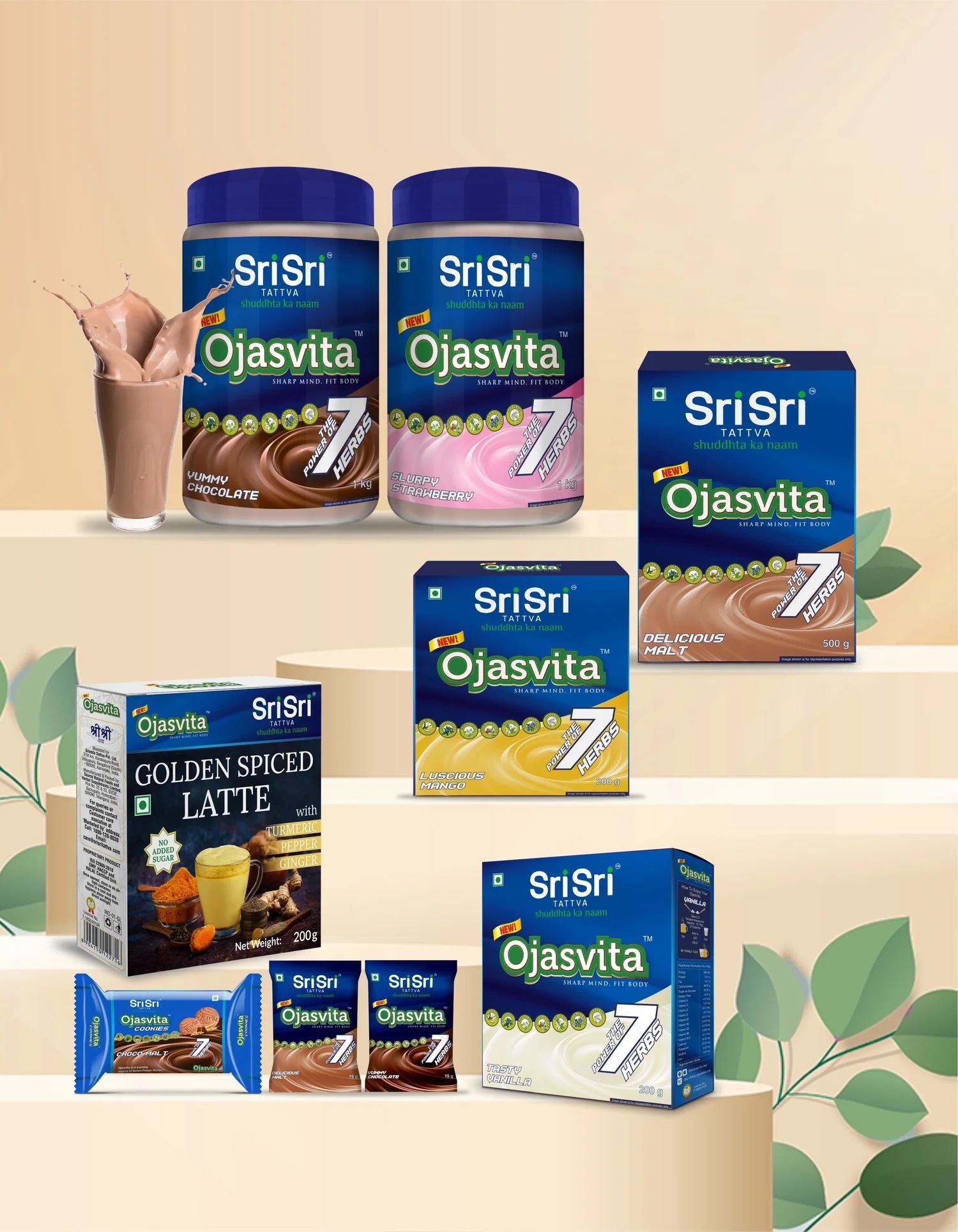
Beverages:Ojasvita in flavours like chocolate, malt, and mango (because enlightenment should taste good).
Supplements: Turmeric Plus, Amla, Triphala, and Arjuna — basically a pharmacy’s worth of roots in capsule form.
Arkas: Liquid extracts like Tulsi Arka and Shakti Drops, for those who prefer their herbs straight, no chaser.
Single Herbs: The classic Brahmi, Ashwagandha, and Neem squad — a line-up strong enough to fight both stress and investors’ patience.
Churnas: For the old-school crowd that still believes “mixing it yourself builds character.”
Their customer segments split neatly into Health Care (mental wellness, pain relief, hair & heart care) and Food (drinks, teas, chyawanprash, masalas, grains).
The domestic market accounts for 99% of revenue — exports are barely 1%, suggesting that while the West loves yoga, it’s still figuring out what “Yastimadhu” means.
What’s particularly interesting is the 2021 MOU with Verstegen Spices & Sauces B.V. of the EU — a quiet attempt at internationalizing Indian Ayurveda. Think “masala meets Michelin.”
4. Financials Overview
Figures in ₹ crore
Metric
Sep 2025 (Q2 FY26)
Sep 2024 (Q2 FY25)
Jun 2025 (Q1 FY26)
YoY %
QoQ %
Revenue
16.95
10.26
12.10
65.2%
40.1%
EBITDA
1.36
1.37
1.25
-0.7%
8.8%
PAT
0.70
0.84
0.63
-16.7%
11.1%
EPS (₹)
1.09
1.30
0.98
-16.1%
11.2%
Annualised EPS = 1.09 × 4 = ₹4.36. At the CMP of ₹139, that gives a P/E ≈ 31.9, slightly above industry median (30.6).
Commentary: The company’s quarterly sales growth deserves a standing ovation in Sanskrit — 65% YoY is no joke in a space dominated by FMCG giants. However, margins have compressed, with OPM slipping to just 8%. Possibly raw material inflation or marketing spends for new launches. Profit growth failed to match sales velocity — classic “growth pain” phase.
Still, Source Natural seems to be scaling — not perfectly, but consciously.
5. Valuation Discussion – Fair Value Range Only
Let’s get our valuation yoga mats out.
Method 1: P/E Approach
Annualised EPS = ₹4.36
Apply a sector range of 25x–35x (industry median ~30.6x).
Fair Value Range = ₹109 – ₹152.
Method 2: EV/EBITDA
EV = ₹87.5 crore
EBITDA (TTM) = ₹5.49 crore
EV/EBITDA = 15.9× (matches screener data).
Applying range of 12×–16× → Implied EV Range = ₹65–₹88 crore → Per share value range ₹120–₹145.
Method 3: DCF (simplified) Assume free cash flow ~₹1.8 crore (TTM ₹0.07 crore op. cash is low due to working capital); 12% growth for 5 years, terminal growth 4%, discount 10%. DCF yields fair value ~₹130.
📉 Educational Fair Value Range (Blended): ₹110–₹150 per share.
Disclaimer: This fair value range is for educational purposes only and is not investment advice.
6. What’s Cooking – News, Triggers, Drama
2025 has been anything but boring at Source Natural HQ.
August 2025: Appointment of Arvind Varchaswi (the spiritual corporate hybrid) as Managing Director