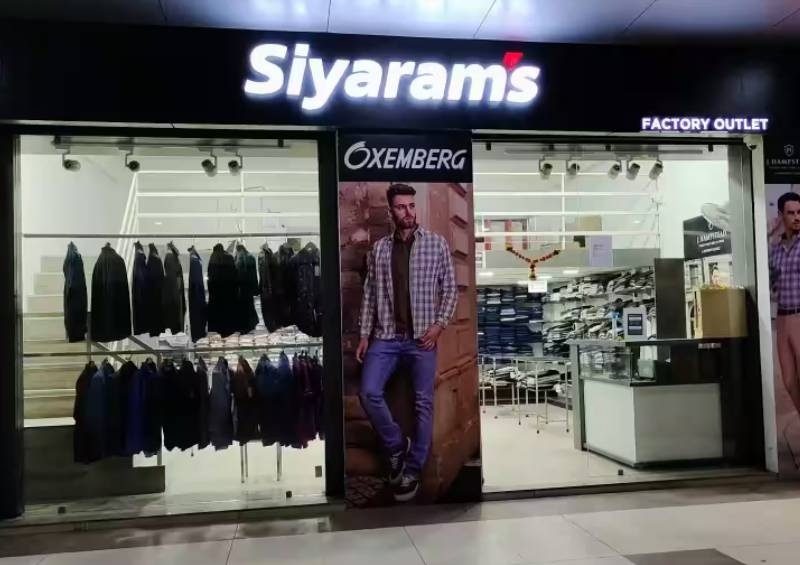
Siyaram Silk Mills, the desi textile veteran with Bollywood endorsements, is trading at ₹648/share with a market cap of ₹2,941 Cr. The stock has fallen –7% in last 3 months, even though FY24 revenue touched ₹2,302 Cr. EPS clocks in at ₹42.2, with a modest P/E of 15.4x (industry P/E is ~23x). ROE at 16.4% and ROCE at 20.4% make it look disciplined, but Q1 FY26 profits collapsed –61.7% YoY to just ₹4.6 Cr. Dividend yield sits at a decent 1.85%, proving at least they share some mithai with investors.
So, here’s the paradox: the company sells 100 million meters of fabric annually, signs Ranbir Kapoor as brand ambassador, and still struggles to stitch together consistent profit growth.
Question: Would you buy a Siyaram’s blazer if the tag read, “Returns stitched at just 2% CAGR in last 3 years”?
2. Introduction
Siyaram Silk is one of those names every Indian uncle recognizes because he either wore Siyaram’s trousers in the 90s or saw Govinda dance in their ads. This is a 45-year-old company with serious textile chops, but in market terms, it’s like that stylish family tailor — steady, dependable, but not exactly Louis Vuitton.
The textile sector is infamous for two things: (1) low margins, (2) Bollywood brand ambassadors who charge more than the company’s annual ad budget. Siyaram fits right in. Despite 245+ exclusive stores and 800+ distributors across 30 countries, nearly 91% of revenue is still India-driven. Translation: they are still the neighborhood fabric shop trying to look global.
But don’t laugh just yet. They sold 4.5 million pieces of apparel in FY24, with fabric still making up 82% of sales. In other words: people buy Siyaram’s fabric, but then hand it to their local darzi instead of picking Siyaram readymades. Imagine running a McDonald’s franchise and making money from selling ketchup sachets more than burgers.
3. Business Model – WTF Do They Even Do?
The Siyaram business model is a mix of old-school textile plus new-age fashion experiments.
Fabric Manufacturing (82% of revenue): Core bread and butter, or rather polyester and viscose.
Readymades (13%): Brands like Oxemberg, J. Hampstead, Cadini try to capture everything from casuals to Italian suits.
Yarns & Knitting (5%): The “don’t forget us” side business.
Key Brands:
Siyaram’s: Everyman’s fabric.
J. Hampstead: Premium segment, wannabe Hugo Boss.
Oxemberg: Casual wear for millennials who don’t shop at H&M.
Cadini Italy: Imported name, desi stitched.
Bamboo Fabric & Royale Linen: Eco-friendly and linen experiments.
The company outsources 50% of fabric production and 80% of garments, running an asset-light model. Sounds cool until you realize that means margins are at mercy of outsourcing partners. Basically, Siyaram is the Zomato of fabrics — aggregator with its own brand tag.
4. Financials Overview
Here’s the quarterly fashion autopsy (₹ Cr):
Source table
Metric
Latest Qtr (Q1 FY26)
YoY Qtr (Q1 FY25)
Prev Qtr (Q4 FY25)
YoY %
QoQ %
Revenue
388
306
736
26.8%
–47.3%
EBITDA
20.7
10.1
111.7
+105%
–81.5%
PAT
4.6
12.0
72.5
–61.7%
–93.6%
EPS (₹)
1.0
2.7
16.0
–62%
–94%
Commentary: Revenue grew YoY, but profits fell off a cliff. That’s like hosting a wedding with more baraatis but less food on the plates.