1. At a Glance – The German Engineering Uncle With Indian Paperwork
Siemens Limited today is what happens when German engineering discipline meets Indian bureaucracy, infrastructure ambition, and stock market optimism — all in one neatly ironed suit. With a market cap of ₹1,13,111 Cr, Siemens trades at a price of ₹3,176, down about 3.75% on the day, but still sitting comfortably near its historical valuation throne. The stock has delivered ~4.7% return over 3 months, a sleepy ~0.6% over 1 year, and a respectable ~24% CAGR over 5 years, which is exactly what you’d expect from a mature, heavy-engineering behemoth that prefers order books to adrenaline.
Latest Q3 FY26 numbers (quarter ended December 2025) show revenue of ₹3,831 Cr, up 14% YoY, while PAT slipped 10.6% YoY to ₹278 Cr, largely because corporate restructuring is never cheap — especially when you’re demerging businesses like Lego blocks. ROCE stands at 15.8%, ROE at 11.8%, debt is practically decorative at ₹145 Cr, and interest coverage is a comical 131x.
But the real flex? An order book of ₹48,260 Cr, which is larger than the GDP of some island nations and still growing. Siemens is not in a hurry — it’s booked, busy, and billing slowly.
2. Introduction – Siemens Is Not a Stock, It’s a System
Investors don’t buy Siemens Limited because it’s “cheap”. They buy it because it feels inevitable. Railways will expand. Power grids will be modernised. Factories will automate. Buildings will become “smart” whether they like it or not. And every time that happens, Siemens quietly invoices someone.
This is not a startup story. This is not a turnaround story. This is a systems integrator story, where complexity is the moat. Siemens Limited operates across smart infrastructure, digital industries, mobility, motors (soon gone), and energy (already demerged). It doesn’t sell widgets; it sells projects, platforms, and processes that take years to design, install, and commission.
The recent narrative has been dominated by restructuring noise — the Energy business demerger (completed April 2025), demerger costs hitting PAT, and now the sale of the Low Voltage
Motors business to Innomotics India for ₹2,200 Cr. If you’re a short-term investor, this looks messy. If you’re long-term, this looks like Siemens cleaning its desk and focusing on higher-margin, tech-heavy businesses.
So the real question isn’t “Why is Siemens expensive?”
It’s “Why does the market still trust Siemens at 69x earnings?”
3. Business Model – WTF Do They Even Do?
Explaining Siemens to a lazy investor is like explaining Swiss watches to someone wearing a digital Casio. You don’t buy Siemens for speed — you buy it for precision and longevity.
Smart Infrastructure (40% of H1 FY25 revenue)
This is Siemens playing SimCity in real life. Power distribution, grid automation, intelligent buildings, urban infrastructure — hardware plus software plus services. Think of it as selling brains to concrete. This segment has grown from 36% in FY23 to 40% in H1 FY25, which tells you where the future invoices are coming from.
Digital Industries (17%)
This is the nerdy, high-IQ cousin. Industrial automation, drives, and industrial software under the Digital Enterprise Suite. Siemens helps factories become less “manual labour” and more “machine whispering”. Margins are better, but growth is steady rather than explosive.
Mobility (13%)
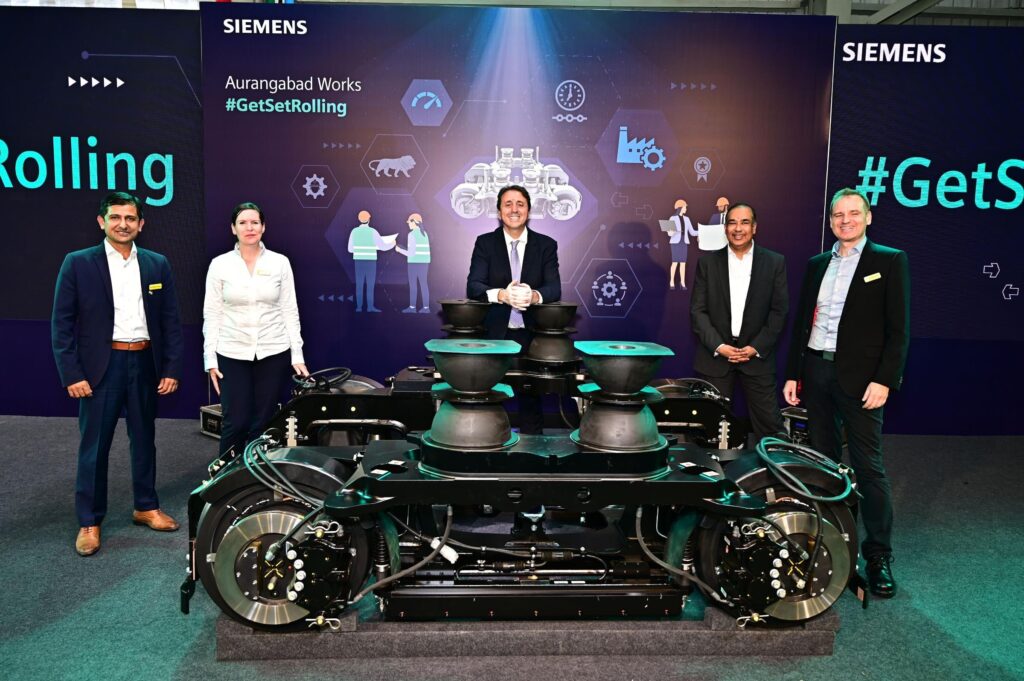
Trains, rail automation, electrification, signalling — Siemens is deeply embedded in India’s rail story. High-speed rail signalling orders, metro projects, and long execution cycles mean revenue recognition is slow, but visibility is high.
Low Voltage Motors (4%, now sold)
Classic industrial motors business — decent scale,
