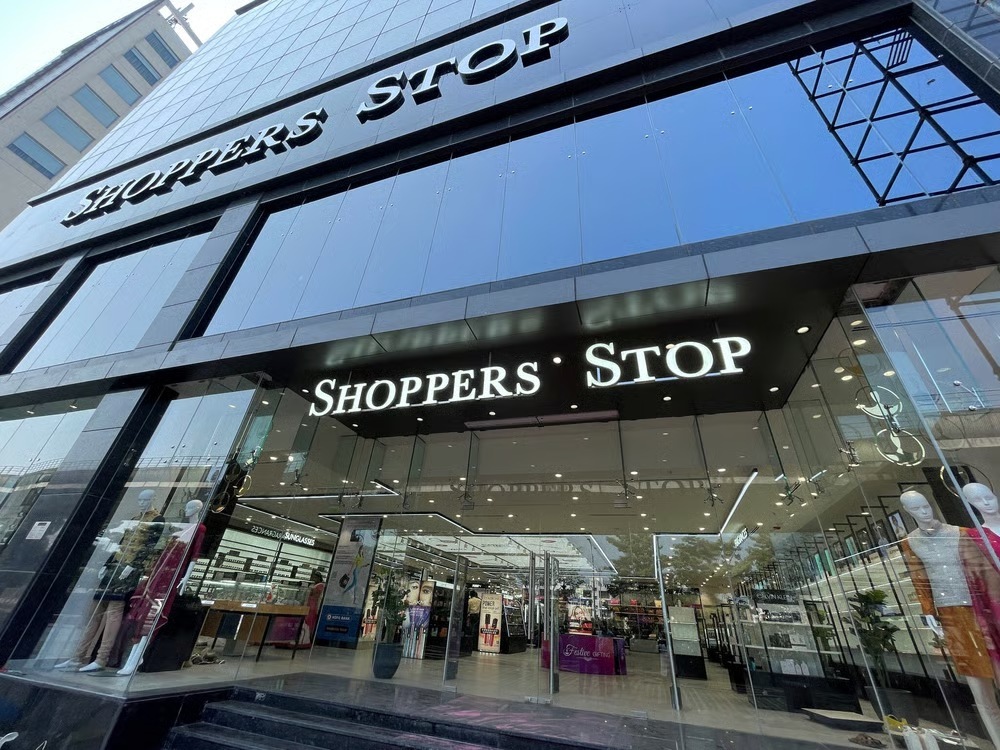
Shoppers Stop Ltd Q3 FY26 — ₹1,416 Cr Revenue, PAT Whiplash, Debt Gymnastics & Premium Fashion Drama
1. At a Glance – Retail, but Make It Stressful
Shoppers Stop is that friend who wears designer clothes, talks premium, hosts great parties… but forgets to pay EMIs on time. As of the latest quarter, the company sits at a market cap of ₹4,014 Cr with a current price of ₹364, down ~30% in 3 months and ~43% over 1 year. Retail therapy clearly isn’t working for shareholders right now.
Q3 FY26 (Dec 2025) delivered ₹1,416 Cr in revenue, a modest 2.6% YoY growth, while PAT came in at ₹16 Cr, down a painful 41% YoY. Operating margins hover around 15%, which sounds decent until interest costs, depreciation, and leverage walk in like uninvited wedding guests.
Debt? A casual ₹3,324 Cr. Debt-to-equity? A spicy 11.6x. Interest coverage? 0.94 — banks are watching this one like hawks at a highway dhaba.
And yet… premium products contribute 64% of sales, private brands are more profitable, loyalty members drive 83% of revenue, and beauty + INTUNE formats are growing faster than mall gossip. Confused already? Good. That’s the Shoppers Stop story.
2. Introduction – The Department Store That Refused to Die
Founded in 1991, Shoppers Stop wanted to be India’s answer to global department stores — aspirational, premium, and mall-centric. Three decades later, malls survived, e-commerce arrived, discounts went feral, and Shoppers Stop is still standing… slightly bruised, heavily leveraged, but very much alive.
The company operates 284 stores across 68 cities, spanning department stores, beauty specialty stores, HomeStop, INTUNE value fashion, and airport outlets. This isn’t a mono-format retailer; it’s a full buffet. The problem? Buffets are expensive to run.
While peers like Avenue Supermarts run lean kirana economics, Shoppers Stop chose the premium path: higher rents, higher staff costs, higher inventory days — and higher drama. COVID nearly wiped it out, debt ballooned, equity got diluted, and yet management doubled down on beauty, private labels, loyalty, and omnichannel.
Is this a turnaround story, a value trap, or a luxury brand stuck with middle-class balance sheets? Let’s dig.
3. Business Model – WTF Do They Even Do?
Imagine a giant fashion mall packed into a single company P&L.
Core Revenue Buckets:
Fashion: Men’s, women’s, kids — national + international brands
Beauty: Makeup, skincare, fragrances via global brand partnerships
Value Fashion: INTUNE, targeting mass-market shoppers
Why This Matters:
Private brands contribute ~12% of sales but punch above their weight on margins
Premium products = 64% of sales, growing 9% YoY
Beauty distribution (via 100% subsidiary) clocked ₹78 Cr in Q3 sales
INTUNE generated ₹63 Cr in Q3 FY25, ₹138 Cr YTD, and is expanding aggressively
This is not a dying department store. It’s a multi-format retailer trying to balance aspiration with affordability — while carrying debt like a newly married Indian groom.
4. Financials Overview – Numbers That Give Mood Swings
Result Type Detected: Quarterly Results (Q3 FY26 locked). EPS Annualisation Rule: Q3 → Average of Q1, Q2, Q3 EPS × 4