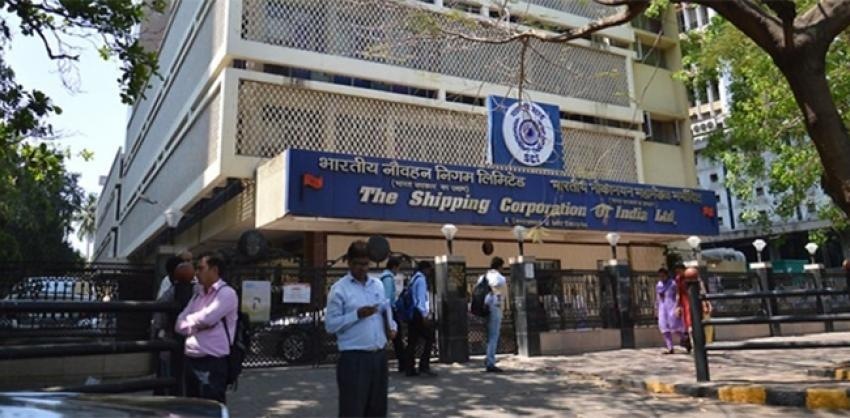
1. At a Glance
Shipping Corporation of India Land & Assets Ltd (SCILAL) is that rare CPSE child who inherited the family property but is still figuring out whether to rent it, redevelop it, or just keep earning FD interest and call it a business model. Born in 2021, listed in March 2024, and currently priced around ₹45, SCILAL sits on ₹3,546 Cr of total assets, ₹0.09 Cr of debt, and a market cap of ~₹2,103 Cr. The irony? Book value is ₹64.3, price-to-book is 0.70, yet ROE is -6.09%.
Latest quarterly numbers show ₹5.65 Cr revenue, ₹11.1 Cr PAT, and a business that survives largely on other income (₹21 Cr per quarter) while operating profits remain stubbornly negative. Dividend yield is a respectable 1.22%, mostly because the balance sheet is rich and operations are… let’s say “still incubating.”
Is this a hidden real-estate optionality play or just a glorified FD with a ticker symbol? Let’s dig. Ready? Or already confused like the P&L?
2. Introduction
SCILAL exists because the Government of India wanted SCI to look leaner for disinvestment. The solution? Park all the non-core real estate in a separate company, spin it off, list it, and let markets figure out what it’s worth. Enter SCILAL — a company whose core purpose is literally “non-core.”
Operationally, SCILAL doesn’t even fully run itself yet. Its day-to-day affairs are managed by SCI under a service-level agreement. Think of it as a landlord who still asks the previous tenant to manage the building.
The company earns money from:
- Interest on bank FDs
- Maritime Training Institute (MTI) courses
- A bit of rental income
Meanwhile, the crown jewels are land parcels and buildings in Mumbai and Kolkata, including Shipping House, staff quarters, and a data centre. These assets are sitting on the balance sheet, waiting for redevelopment decisions, approvals, or divine intervention.
So the big question: Is SCILAL a value-unlocking story or a patience-testing one? And how long does “nascent stage” last before
investors start rolling their eyes?
3. Business Model – WTF Do They Even Do?
Let’s simplify SCILAL’s business model:
- Hold land
- Earn interest
- Teach sailors
- Think about redevelopment
That’s it. No ships. No freight. No logistics drama.
Real Estate:
All non-core SCI properties were demerged into SCILAL. These include high-value Mumbai properties (Malad, staff quarters) and Kolkata assets. Currently, most of these are under-utilised, not monetised aggressively.
MTI (Maritime Training Institute):
Located in Powai, MTI runs DNS, GME, ETO, STCW, and other maritime courses. It’s legit, established, and respected — but it’s still a training institute, not a cash-gushing unicorn.
Other Income:
The real hero. 82% of FY24 revenue came from interest on bank deposits. If RBI sneezes, SCILAL catches a cold.
So yes, SCILAL is basically:
A land bank + training institute + fixed deposit portfolio
Does that excite you? Or does it put you to sleep?
4. Financials Overview
Quarterly Comparison (Figures in ₹ Crores)
| Metric | Latest Qtr | YoY Qtr | Prev Qtr | YoY % | QoQ % |
|---|---|---|---|---|---|
| Revenue | 5.65 | 5.95 | 5.95 | -5.04% | -5.04% |
| EBITDA | -3.00 | -2.70 | -2.00 | NA | NA |
| PAT | 11.13 | 10.14 | 14.00 | 9.87% | -20.5% |
| EPS (₹) | 0.24 | 0.21 | 0.31 | 14.3% | -22.6% |
Annualised EPS (Q3 rule):
Average of Q1, Q2, Q3 EPS × 4 ≈ modest, but still meaningless because FY PAT is negative due to exceptional tax and earlier losses.
Witty Take:
Operations lose money. Other income saves the day. Tax department occasionally shows up like an uninvited wedding guest and ruins the vibe.
Would
