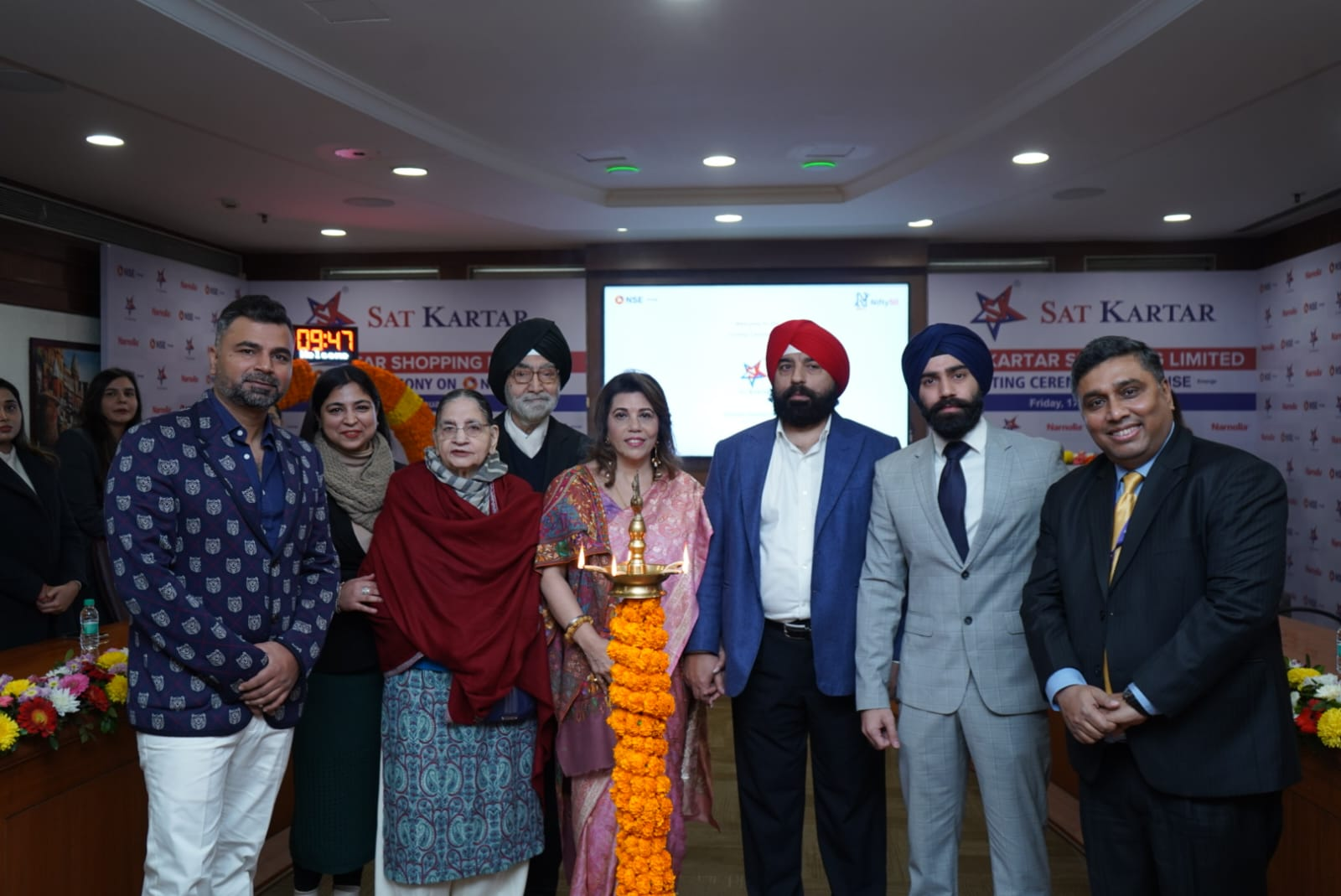
Sat Kartar Shopping Ltd: ₹163 Cr Sales, ₹10 Cr PAT – Ayurveda Meets Google Ads & Kaama Gold
1. At a Glance
Sat Kartar Shopping Ltd is that cousin at the wedding who swears by Ayurveda but orders Coke with his butter chicken. Incorporated in 2012, the company sells “natural wellness” with a D2C blitzkrieg — half of their sales literally come from Google ads. With ₹163 Cr sales in FY25 and PAT of ~₹10 Cr, they’re the new-age Ayurveda peddlers who outsource manufacturing, pocket the brand premium, and let Meta and YouTube do the heavy lifting. IPO done in Jan 2025, shares are already trading like Ashwagandha shots at a hipster café.
2. Introduction
Picture this: Baba Ramdev built Patanjali by shouting on TV. Sat Kartar, on the other hand, has decided shouting is old-fashioned — they’ll just stalk you with Instagram reels until you finally order that “Addiction Killer” capsule at 3 a.m.
This company isn’t about “gharelu nuskhas” your dadi used. It’s Ayurveda with a click-through-rate, Ayurveda with a marketing funnel, Ayurveda with remarketing cookies. Their model is pure D2C, no distributors, no chemist shop negotiations, no haggling with stockists. They funnel money into Google, Meta, and TV campaigns, and customers funnel cash into their website.
And let’s not forget the IPO drama — they raised ₹33.8 Cr in Jan 2025. The use of funds? Classic startup bingo card: “Unidentified acquisitions,” “marketing spends,” “technology upgrades,” “general corporate purposes.” Translation: “We’ll figure it out later, just give us the money now.”
Should we call them Ayurveda healers or AdWords ninjas? What do you think?
3. Business Model (WTF Do They Even Do?)
Sat Kartar isn’t running gaushalas or making soaps with cow urine. They’re running an asset-light brand factory. The real play is:
Product innovation: Addiction Killer, Kaama Gold Capsules, and Liv Muztang (sounds more like a car than a medicine).
Outsourced manufacturing: Why sweat in factories when third parties can? They just slap their label and sell.
D2C hustle: Website + e-commerce + social + TV ads. With 54.6% of revenue from Google ads, this is less Ayurveda, more performance marketing.
Skewed portfolio: 70.9% revenue from “niche therapeutic” products (like addiction cure, performance boosters). Lifestyle stuff like diabetes oils and piles remedies? Just 29.1%.
It’s less “curing the world” and more “finding people who Google ‘quit drinking pills’ at 2 a.m.”
4. Financials Overview
Quarterly Snapshot (₹ Cr)
Source table
Metric
Latest Qtr (Mar’25)
YoY Qtr (Mar’24)
Prev Qtr (Sep’24)
YoY %
QoQ %
Revenue
87.1
75
76
16.1%
14.6%
EBITDA
9
6
6
50.0%
50.0%
PAT
5.99
3.72
3.93
61.0%
52.4%
EPS (₹)
3.8
2.5
3.3
52.0%
15.1%
Commentary: Margins are creeping up — OPM at ~10% looks healthier than that bottle of Triphala. PAT growth of 61% YoY is solid. EPS annualised at ₹15.2 → P/E = ~10.8x (way cheaper than Screener’s lazy 26.6x TTM). The IPO valuation now looks less like a trap, more like a fair Ayurveda tonic.
5. Valuation (Fair Value Range Only)
P/E Method: EPS (annualised Mar’25) ₹15.2. Assign range 18x–22x (slight discount to pharma peers). → FV Range = ₹274 – ₹334.
EV/EBITDA Method: EBITDA FY25 = ~₹14 Cr. EV = ₹235 Cr → EV/EBITDA = 16.7x. If re-rated to 12–15x → FV Range = ₹200 – ₹250.
DCF (back-of-napkin): Assume 20% CAGR in PAT for 5 years → FV ballpark ₹220–₹300.
Final FV Range (educational only): ₹200 – ₹320. “This FV range is for educational purposes only and is not investment advice.”
6. What’s Cooking – News, Triggers, Drama
IPO loot: ₹33.8 Cr raised in Jan 2025. “Unidentified acquisitions” remain the juiciest gossip — maybe they’ll buy a random herbal startup or maybe just another Google