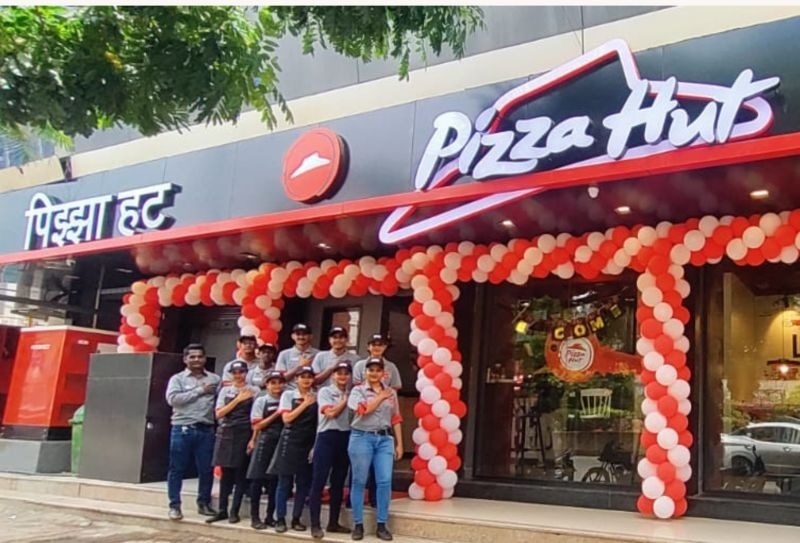
1. At a Glance – The Fried Chicken Paradox
Sapphire Foods India Ltd is that friend who owns KFC, Pizza Hut, and Taco Bell, has 1,028 restaurants, clocks ₹3,044 Cr in annual sales, yet somehow manages to end the year with ₹-17 Cr TTM losses. Market cap? A crispy ₹6,914 Cr. Share price? ₹215, down 33% YoY, because the market hates indigestion.
Operating margins look decent at ~15% OPM, but ROE is sitting at a sad 2.03%, like a Pizza Hut outlet inside a dead mall. Debt is ₹1,380 Cr, interest coverage barely 0.95, and the balance sheet says: “Yes growth, but EMI bhi deni hai.”
Yet, Sapphire isn’t some roadside momo stall. It’s the largest Yum! franchisee in India & Sri Lanka, ranked among Top 3 Yum franchisees globally, and even flexed a 19.7% restaurant EBITDA margin in FY24. So why the stock pain?
Is this a classic India consumption compounding story delayed by depreciation & debt… or just too many outlets, too little cash?
Let’s open the kitchen.
2. Introduction – When Growth Eats Profit for Breakfast
Sapphire Foods is the poster child of modern Indian QSR investing:
High growth, high capex, high depreciation, low patience from investors.
The company operates iconic global brands licensed from Yum! Brands, which means:
- No brand-building risk ✅
- Global playbooks & digital tools ✅
- Royalty payments forever ❌
Since FY19, Sapphire has aggressively expanded stores, shrunk restaurant sizes by ~45%, pushed delivery to 43% of sales, and turned itself into a logistics + real estate + fried chicken machine.
Revenue has compounded at ~17% CAGR (5Y).
But profits? Still stuck in traffic.
Why?
- Heavy depreciation from constant
- store additions
- Rising interest costs
- Pizza Hut India still figuring out its identity crisis
- Sri Lanka volatility doing bhangra on margins
So this is not a “earnings story”. This is a unit economics + scale + patience test.
Are you a long-term stomach, or a short-term trader with acidity issues?
3. Business Model – WTF Do They Even Do?
Let’s explain Sapphire Foods to a lazy but smart investor:
They don’t sell chicken. They sell square footage productivity.
Brand-wise business:
- KFC India (68% revenue)
The golden goose. High ADS, strong margins, delivery-friendly. - Pizza Hut India (20%)
The problem child. Low ADS, weak margins, brand repositioning underway. - Sri Lanka (12%)
Surprisingly solid unit economics but macro roulette.
Channel mix:
- Delivery: 43%
- Dine-in: 35%
- Takeaway: 22%
Sapphire earns money per store, per day, not per brand story.
Unit economics snapshot:
- KFC ADS: ₹1.16 lakh/day
- Pizza Hut ADS: ₹48k/day
- Sri Lanka ADS: ₹92k/day
Restaurant EBITDA margins:
- KFC: 17.7%
- Pizza Hut: 4.3% (ouch)
- Sri Lanka: 14.4%
This is a scale-first, margin-later model. The question is: How much later?
4. Financials Overview – The Numbers Don’t Lie, They Just Roast
Quarterly Comparison Table (₹ Cr)
| Metric | Latest Qtr (Dec FY26) | YoY Qtr (Dec FY25) | Prev Qtr (Sep FY26) | YoY % | QoQ % |
|---|---|---|---|---|---|
| Revenue | 813.83 | 756.54 | 742.44 | 7.6% | 9.6% |
| EBITDA | 134.21 | 134.34 | 102.09 | -0.1% | 31.4% |
| PAT | -4.81 | 12.73 | -12.79 | -137% | NA |
| EPS (₹) | -0.15 | 0.37 | -0.40 | -141% | NA |
