1. At a Glance – Blink and You’ll Miss the Drama
₹148 Cr market cap, a ₹30.7 stock price, and a company that tries to be both green energy saint and rubber recycler hustler at the same time. Sampann Utpadan India Ltd just printed ₹36.4 Cr quarterly revenue with ₹1.90 Cr PAT, clocking a 208% QoQ profit growth like it suddenly discovered caffeine. But don’t pop the champagne yet—ROE is -23.5%, ROCE is -1.49%, and Debt/Equity sits at a chunky 2.02.
The stock is trading at 19.7× P/E and 3.52× book, which is bold for a company whose balance sheet still looks like it’s recovering from a long hangover. Reclaimed rubber contributes ~95% of FY24 revenue, while non-conventional energy is the side character at ~5%. There’s a preferential warrant allotment of ₹35.6 Cr approved, promoters at ~40.7%, zero pledges, and a recent CFO exit—because what’s a smallcap without a little KMP musical chairs?
So what are we looking at—a genuine operational turnaround or a one-quarter sugar rush helped by other income? Buckle up.
2. Introduction – The Company That Can’t Pick One Career
Founded in 2012, Sampann Utpadan India Ltd started life as S.E. Power Ltd and later rebranded—because nothing says “new innings” like a new name. The business wears two hats: renewable energy generation and reclaimed rubber from recycled tyres. On paper, that’s ESG-friendly poetry. In practice, it’s been a decade-long struggle to turn poetry into profits.
The last few years were rough. Persistent losses eroded net worth, ROE stayed deeply negative, and debt kept piling up. Then FY25-FY26 showed signs of life—sales growth surged, quarterly margins improved, and Q3 FY26 net profit came in at ₹1.90 Cr. Cue the turnaround narrative.
But here’s the catch: earnings quality. A chunky other income
spike shows up in recent quarters, and interest costs plus depreciation still chew through operating profits. The company is profitable now, yes—but is it sustainably profitable?
Before you scream “multibagger,” ask yourself: is this a rubber recycling story with renewable garnish, or a leveraged balance sheet trying to outrun its past?
3. Business Model – WTF Do They Even Do?
A) Reclaimed Rubber – The Actual Breadwinner
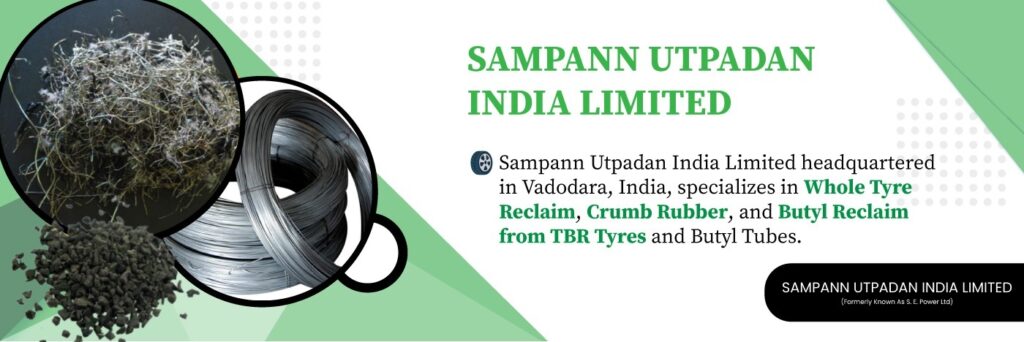
This is where the money comes from. Sampann processes end-of-life tyres into:
- Crumb Rubber
- Whole Tyre Reclaim Rubber
- Butyl Reclaimed Rubber
- Steel scrap & wire products
These are sold to tyre manufacturers and non-tyre industries—conveyor belts, footwear, adhesives, roofing sheets, molded goods, you name it. Demand here is steady because rubber recycling is cheaper than virgin rubber and ticks environmental compliance boxes.
The company’s Vadodara (Gujarat) plant also runs an 800 KW solar setup, cutting some power costs. Smart move, but not game-changing.
B) Non-Conventional Energy – The Side Quest
Wind power assets in:
- Chitradurga, Karnataka (0.6 MW × 4)
- Jaisalmer, Rajasthan (0.8 MW)
This segment contributes ~5% of revenue. Translation: nice ESG slide for investor decks, not the engine of growth.
Question: Should management double down on rubber (cash-generating) or keep splitting focus with renewables (capital-intensive, low
