Safa Systems & Technologies Ltd H1 FY26 – ₹181 Cr Half-Year Sales, ₹0.40 EPS & 0.66% OPM: Distributor or Just a Very Busy Warehouse?
1. At a Glance – Blink and You’ll Miss the Margins
Safa Systems & Technologies Ltd is that guy at the wedding who looks extremely busy, runs everywhere, shakes every hand, but somehow never seems to eat properly. Market cap around ₹66 crore, current price hovering near ₹26.4, and a stock that has politely punished short-term holders with a ~33% fall in three months while rewarding one-year holders with an eye-popping ~85% return. Confusing? Welcome to SME stocks.
Sales are massive at ₹414 crore (TTM), but profitability is on a strict intermittent-fasting diet. Operating margin is a microscopic 0.66%, ROCE sits at a modest 8.39%, ROE at 10.6%, and debt stands tall at ₹41.6 crore. Latest half-year numbers show sales sliding to ₹181 crore with PAT of ₹1.01 crore, and EPS of ₹0.40 for H1 FY26.
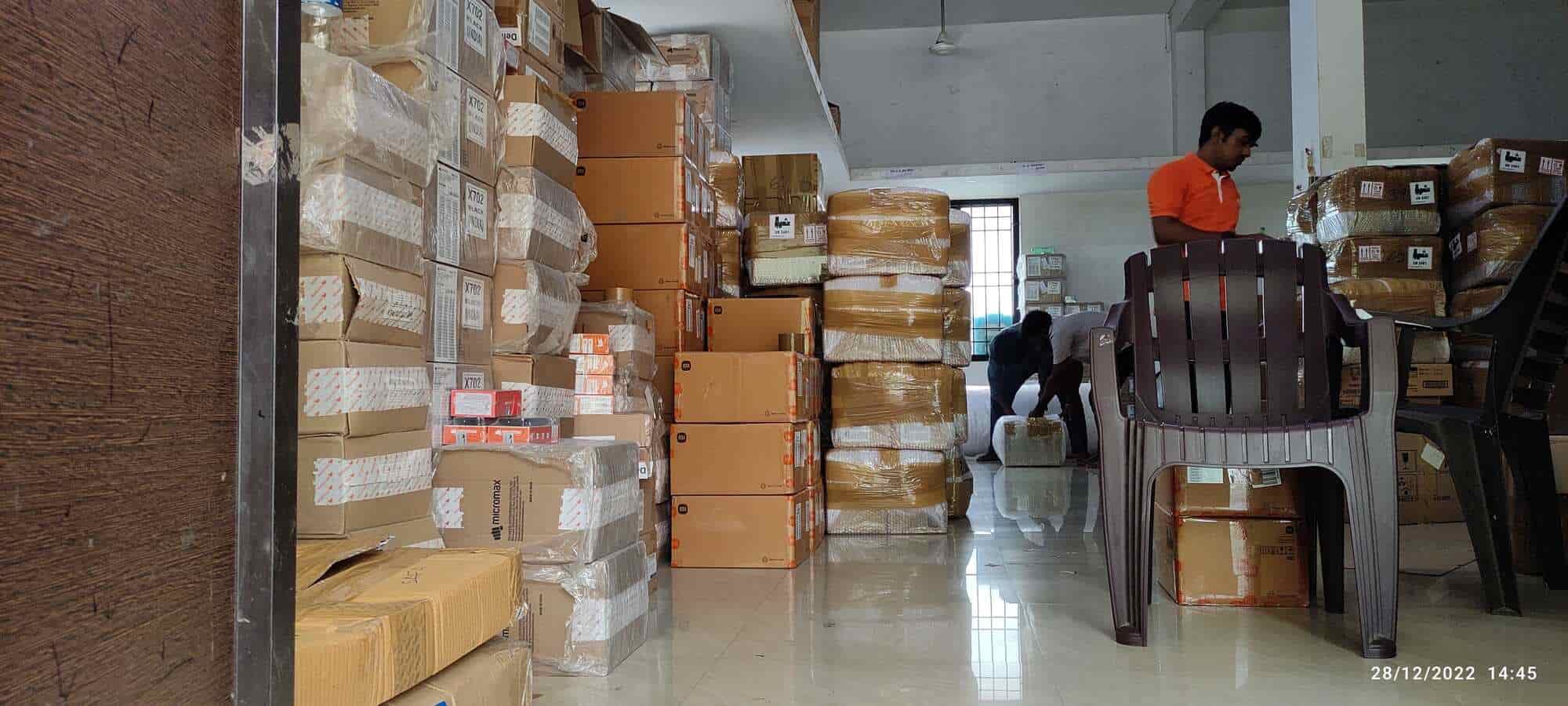
This is a company that moves truckloads of phones, TVs, tablets, and accessories… and keeps peanuts for itself. The big question: is Safa a scalable distribution machine temporarily stuck in a margin drought, or is this the permanent reality of being a middleman in India’s brutally competitive electronics trade? Curious already? Good. That’s the correct emotional state for this stock.
2. Introduction – The Great Indian Distributor Paradox
Distributors are the unsung heroes of Indian commerce. They don’t design products, they don’t manufacture them, and they definitely don’t get flashy keynote launches. But without them, your smartphone would still be sitting in a Shenzhen warehouse. Safa Systems & Technologies Ltd lives exactly in this thankless middle layer.
Incorporated in 2012, Safa operates primarily as a distributor of mobile phones, electronic gadgets, accessories, IT products, LED TVs, tablets, and home appliances, with a strong footprint in South India—especially Kerala. ISO 9001:2015 certified, which at least tells us paperwork is taken seriously here.
Safa’s brand partners read like a smartphone showroom checklist: Xiaomi, OPPO, TECNO, Micromax, OnePlus. The company works through 40+ sub-distributors and nearly 200 large-format and direct retail sellers. It also handles B2B orders for corporate clients across India. In simple words: boxes move, invoices fly, trucks don’t rest.
But here’s the irony. Despite huge revenue numbers, Safa barely converts sales into profits. This isn’t unique—distribution is a volume game with wafer-thin margins—but it does raise questions. Especially when debt is meaningful, interest coverage is just 1.77, and promoters have diluted their holding significantly in recent years.
So is Safa a high-volume cash-cycler waiting for operating leverage to kick in? Or is it trapped in a race where only brands win and distributors survive on crumbs? Let’s dissect this, accountant-style, with occasional sarcasm.
3. Business Model – WTF Do They Even Do?
Imagine you’re Xiaomi. You make phones. You don’t want to deal with 200 retailers in Kerala arguing about credit days and festival schemes. Enter Safa Systems.
Safa buys products from OEMs and brand owners, stores them briefly, distributes them to retailers, manages credit cycles, handles logistics, and occasionally absorbs the pain of discounts and slow-moving inventory. The company earns its living from distribution margins—small, fragile, and easily squeezed.
The business operates through:
Sub-distributors who further push products into local markets
Large-format retail chains
Direct retail sellers
Corporate and institutional B2B clients
There is no manufacturing, no brand ownership, and no pricing power. The upside is scale. The downside is… everything else. Inventory cycles, debtor days, interest costs, and zero forgiveness from brands if volumes drop.
Safa is now talking about expanding into large-format retail accounts across South India and has leased a premise in Mumbai to widen its footprint. There’s also a future plan to diversify into IT-enabled services and software development. Whether that becomes a meaningful pivot or just a PowerPoint slide remains to be seen.
For now, Safa is a classic distributor: high revenue, low margin, permanently stressed finance team, and auditors who probably drink extra tea during closing season. Would you sleep peacefully owning such a business? Or do you enjoy living dangerously?
Latest official announcement clearly states Half Yearly Results ended 30 September 2025. Result type locked. EPS annualisation will follow half-year logic.