Roni Households Ltd H1FY26 – ₹1.01 Cr Sales Collapse, EPS ₹0.01, 408-Day Cash Cycle: A Trading Business With Plastic Dreams and Credit Nightmares
1. At a Glance – Blink and You’ll Miss the Profits
Roni Households Ltd is that rare SME which manages to trade agricultural commodities, dream about plastic manufacturing, raise capital, convert promoter loans into equity, and still end up with ₹0.01 Cr PAT in the latest half year like it’s an achievement badge. The stock trades around ₹53.6, giving it a market cap of ~₹61.6 Cr, which is impressive for a company that just reported H1FY26 sales of ₹1.01 Cr, down a spine-chilling 86.7% YoY. ROCE limps at 4.38%, ROE politely apologises at 3.98%, and the P/E of ~78 boldly suggests optimism has officially gone rogue. Promoters hold 60.11%, debt stands at ₹3.79 Cr, and the company proudly pays zero dividend, because obviously cash is busy travelling through 365-day debtor cycles. If numbers could talk, these ones would whisper: “Patience rakho.”
2. Introduction – A Trader by Day, Plastic Manufacturer by Promise
Founded in 2017, Roni Households Ltd entered the market with a simple idea: trade agricultural commodities and gradually move into plastic household products manufacturing. Simple idea. Complicated execution. The trading business runs on a B2B agency model, meaning Roni doesn’t always own the goods; it brokers, procures, supplies, and waits. And waits. And waits some more—for customers to pay.
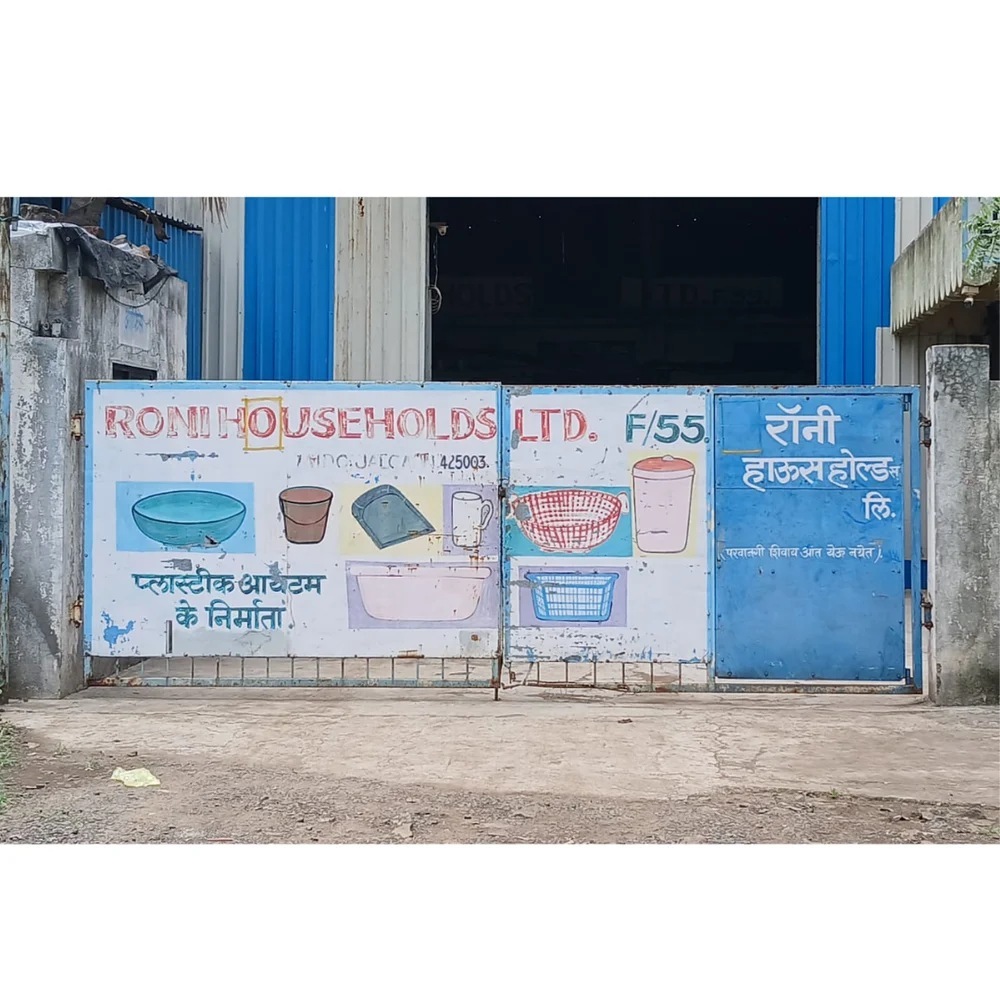
Over the years, the company sprinkled in ambitions of plastic granules and household plastic products—buckets, tubs, stools, dustpans, the kind of items every Indian home owns at least three of, usually cracked but emotionally irreplaceable. On paper, it sounds scalable. In practice, the financials look like they were assembled during a power cut.
FY25 showed ₹17.13 Cr sales, but the latest H1FY26 numbers tell a very different story. Revenue collapsed, operating margins turned negative, and profits survived mostly because of other income, not because trading suddenly became a cash-printing machine. As a detective-style narrator, one question keeps popping up: Is this a timing issue, a business model issue, or a credit discipline issue? Keep reading, because the numbers are about to testify.
3. Business Model – WTF Do They Even Do?
Roni Households operates in two avatars.
First, Agricultural Trading. This is the breadwinner—about 86% of FY22 revenue. The company procures agri commodities based on demand estimates and customer orders, often on credit, and sells them—also on credit. The margin is thin, volumes matter, and cash discipline is everything. Unfortunately, Roni’s debtor days of 365+ suggest that money prefers sightseeing over coming back home.
Second, Plastic Products Manufacturing. This is the “future growth” story. Plastic granules and household items like buckets, tubs, stools, and office furniture. Manufacturing promises better margins and brand potential, but it also needs scale, capex discipline, and distribution muscle. As of now, plastic contributes a minority share to revenue, and the promised scale-up remains more PowerPoint than profit.
So effectively, Roni is a trader trying to become a manufacturer, while being financed by patient promoters, patient lenders, and extremely patient shareholders. The question is: how long does patience compound?
4. Financials Overview – Numbers Don’t Lie, They Just Look Awkward
Result Type Locked: Half-Yearly Results Annualised EPS = Latest EPS × 2
Financial Comparison Table (₹ Crore)
Source table
Metric
Latest H1FY26
H1FY25
H2FY25
YoY %
QoQ %
Revenue
1.01
7.59
9.56
-86.7%
-89.4%
EBITDA
-0.20
0.14
1.26
NA
NA
PAT
0.01
-0.13
0.78
+108%
-98.7%
EPS (₹)
0.01
-0.11
0.68
NA
NA
Annualised EPS: ₹0.02 Implied P/E at CMP: Somewhere in the “faith-based valuation” zone.
Commentary: Revenue didn’t just fall; it fell off a cliff, bounced once, and disappeared. EBITDA went negative, which is never a confidence booster. PAT stayed barely positive thanks to ₹0.59 Cr other income, which is the accounting equivalent of emotional support. If core operations were a movie, other income was the interval snack keeping everyone awake.

,xPosition=0.8,yPosition=0.8)