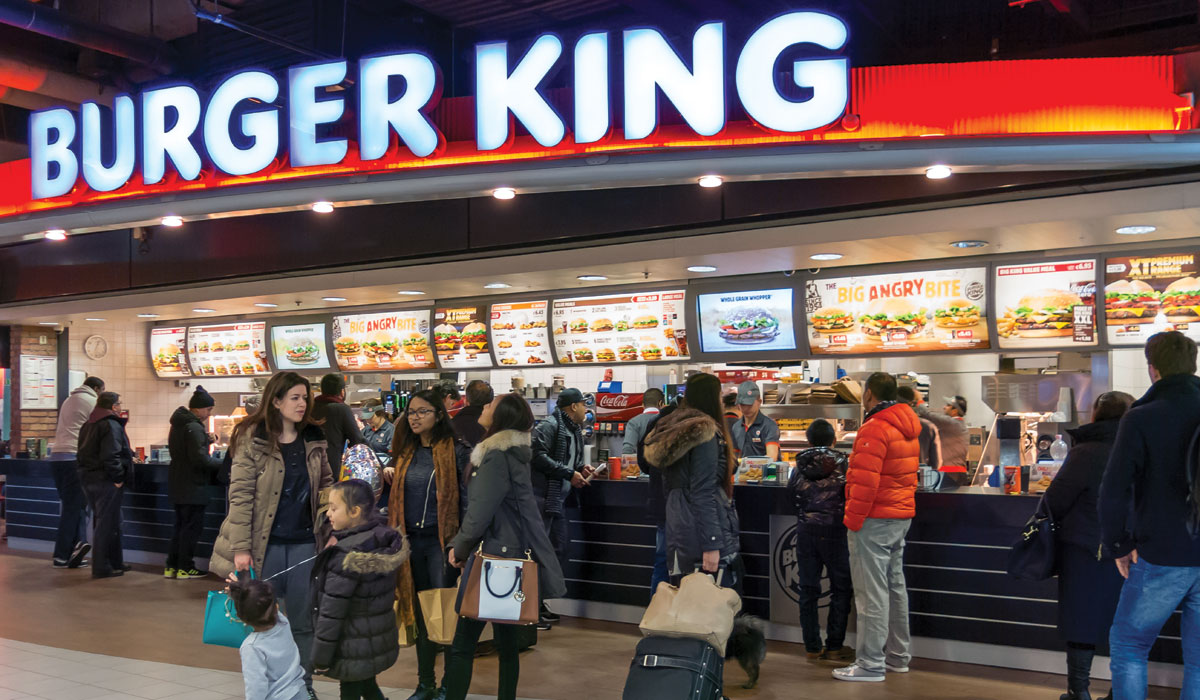
Restaurant Brands Asia Ltd – Burger Dreams, Chicken Wings, and Balance Sheet Burns 🍔🔥
1. At a Glance
Restaurant Brands Asia Ltd (RBA), better known as Burger King India + Burger King Indonesia + Popeyes, is that ambitious kid who wants to compete with Domino’s and McDonald’s but still hasn’t figured out how to stop burning money. With 681 restaurants across India and Indonesia, ₹2,602 Cr sales in FY25, and a PAT of –₹209 Cr, the company is basically serving burgers at a loss while hoping volume will one day make up for it. Investors call it “QSR growth.” Accountants call it “funding a barbeque with borrowed coal.”
2. Introduction
Since its 2014 entry into India, Burger King (through RBA) has been on a store-opening spree. They now run 456 outlets in India, 149 Burger Kings in Indonesia, and have recently brought Popeyes chicken to Indonesia. So yes, this is officially India’s “burgers and wings” stock.
But growth has come with indigestion. Sales grew 20% CAGR in the last 3 years, but losses also grew like extra cheese on a Whopper. ROE is at –28%, debt-to-equity at 2.0x, and promoter holding has crashed from 41% to 11% after Everstone bailed.
The real kicker? Franchise terms require 700 Burger Kings in India by FY27. Miss the target, and Burger King AsiaPac can cancel their party. Imagine failing to submit homework and losing your entire tuition seat.
Question for readers: Would you rather bet on a burger chain still finding profitability, or stick to Domino’s, which has already monetized your midnight cravings for two decades?
3. Business Model – WTF Do They Even Do?
RBA is a master franchisee. This means they don’t own Burger King globally but pay royalties to run the India + Indonesia branches. Their jobs:
Open more stores (mandatory).
Sell burgers, fries, shakes, and Popeyes chicken.
Try to balance the thin-margin dine-in model with delivery growth.
India Segment (76% of revenue):
456 restaurants + 352 BK Cafés.
Revenue up 86% from FY22–24.
Grew 16% YoY in Q1 FY25.
Dine-in still 58% of sales, but footfalls dropped 15% in Q1 FY25.
Indonesia Segment (24% of revenue):
Burger King: Shrinking store count (closed 26 underperformers).
Popeyes: New darling, 25 outlets in FY25.
Revenue grew 24% FY22–24 but dipped 17% YoY in Q1 FY25.
Management claims “restaurant EBITDA breakeven” but net losses remain.
So yes, their model is: expand aggressively, lose money now, pray that scale brings future profit. Classic QSR IPO playbook.
4. Financials Overview
Metric
Latest Qtr (Jun’25)
YoY Qtr (Jun’24)
Prev Qtr (Mar’25)
YoY %
QoQ %
Revenue
₹698 Cr
₹647 Cr
₹633 Cr
7.9%
10.3%
EBITDA
₹73 Cr
₹63 Cr
₹73 Cr
15.9%
0.0%
PAT
–₹41.9 Cr
–₹52 Cr
–₹60 Cr
19.4%
30.2%
EPS (₹)
–0.72
–0.99
–0.97
Better
Better
Commentary: Quarterly revenue is growing, losses are narrowing, but still negative. Annual EPS = –₹3.9 → P/E “not meaningful.” CMP ₹80 trades at 5.1x book. Basically, you’re buying a growth story, not cash flows.
5. Valuation – Fair Value Range
Method 1: P/S Multiple
Sales FY25 = ₹2,602 Cr
Apply 1.5–2.5x P/S (reasonable for loss-making QSRs)
Fair Value = ₹3,900–₹6,500 Cr market cap = ₹67–₹112/share
Method 2: EV/EBITDA
EBITDA TTM = ₹279 Cr
EV = ₹5,959 Cr → 21x EV/EBITDA
Industry fair range = 15–20x
Fair EV = ₹4,200–₹5,600 Cr → ₹72–₹95/share
Method 3: DCF (optimistic)
Assume 12% revenue CAGR, breakeven by FY27, WACC 11%
Fair Value = ₹70–₹100/share
Final Range: ₹67–₹112/share
Disclaimer: This fair value range is for educational purposes only and not investment advice.
6. What’s Cooking – News, Triggers, Drama
Expansion Targets: 510 stores by FY25 in India, 800 by FY29. Domino’s currently runs 2,000+ stores. Gap still huge.
Capital Raise: Multiple QIPs and loans raised in FY24–25 to fund expansion. Translation: more dilution, less burger per shareholder.