Reliance Industrial Infrastructure Ltd (RIIL) Q2FY26: ₹12 Crore Profit, ₹1,374 Crore Market Cap – The Reliance Cousin Who Just Won’t Move Out
1. At a Glance
Reliance Industrial Infrastructure Ltd (RIIL) is that one Reliance relative who shows up at family functions in a tuxedo but brings no gift. With a market cap of ₹1,374 crore, stock price of ₹910, and a P/E ratio of 114, this company makes even boutique perfume valuations look cheap.
In Q2FY26, RIIL clocked ₹12.2 crore revenue and ₹3.06 crore net profit, down marginally from last quarter. It’s debt-free, yes — but when your business model hasn’t changed since Doordarshan days, debt isn’t your problem, relevance is.
Its ROE stands at a tragic 2.6%, ROCE at 2.9%, and Operating Margin at –21% — meaning it spends ₹1.21 to earn ₹1.00, a business plan that only nostalgia can justify.
The only electricity here? The one powering the AC in their boardroom.
2. Introduction
Ah, RIIL — the company born in 1988 as Chembur Patalganga Pipelines Ltd, later renamed in 1994 to sound more “industrial.” Three decades later, the pipelines are still the same, but the name now feels like a relic from Reliance’s Jurassic era.
Its operations? Mainly in Mumbai, Rasayani, Surat, and Jamnagar — a.k.a. the Reliance ecosystem. Its main customer? Reliance Industries Ltd, of course. So technically, it’s a subsidiary providing services to the mothership and sending invoices to Mukesh bhai’s accounts payable.
Think of RIIL as Reliance’s in-house handyman — transporting naphtha, leasing construction machines, and offering “support services.” The company’s motto should be: “We exist, therefore we invoice Reliance.”
Over the years, as RIL expanded into oil, telecom, and digital empires, RIIL remained loyal to pipelines and old spreadsheets. If RIL is the Tesla of India, RIIL is still driving an Ambassador.
3. Business Model – WTF Do They Even Do?
Let’s demystify this mysterious micro-unit of the Reliance galaxy.
RIIL’s main business is industrial infrastructure services, which include:
Transportation of Petroleum Products & Raw Water via pipelines.
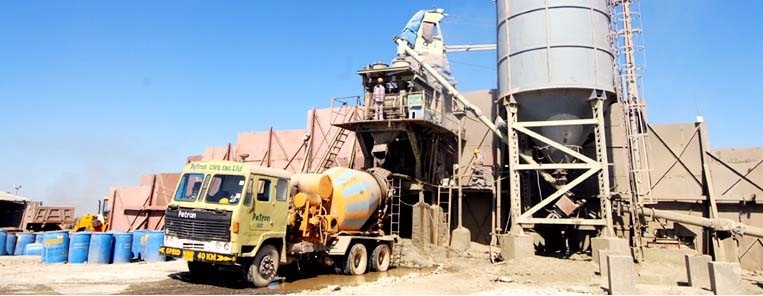
Leasing Construction Machinery (yes, JCBs and cranes — peak 1990s energy).
Infrastructure Support & Maintenance for Reliance sites in Maharashtra and Gujarat.
Miscellaneous Tech Services like leasing servers or offering data processing (probably with Pentium processors).
Basically, RIIL is the janitor of Reliance’s industrial empire — it maintains what’s already built. While Reliance Industries invents 5G, hydrogen fuel, and data centers, RIIL proudly rents out excavators.
Revenue breakup still reflects this fossilized focus: 60% transportation, 31% support, 9% machinery hire.
Auditor’s note: A company losing money at operating level but valued at 112× earnings? Only in India, where nostalgia trades at a premium.
5. Valuation Discussion – Fair Value Range Only
Method 1 – P/E Method: Industry peers (logistics & infra) trade at ~25×. RIIL’s realistic fair multiple = 20–25× of EPS ₹8.12. → Fair Range = ₹162 – ₹203.
Method 2 – EV/EBITDA: EBITDA is negative. So, valuation not meaningful, unless you’re valuing goodwill.
Method 3 – DCF (Don’t Come Forward): Given stagnant revenue and zero growth, DCF fair value barely touches ₹200 even under generous assumptions.
Educational Fair Value Range: ₹160 – ₹210 per share. (But market says ₹910 — apparently the Reliance surname carries a luxury premium.)
Disclaimer: This fair value range is for educational purposes only and not investment advice.
6. What’s Cooking – News, Triggers, Drama
The most recent drama: they shifted their registered office from Maker Chambers to Dhobi Talao, Mumbai — perhaps to wash away years of underperformance.
Q2FY26 results were filed with predictable mediocrity: ₹3.06 crore profit, ₹12.17 crore revenue, no debt, and a perfectly boring press release.
Other news? A Rs. 44,210 penalty for tax credit errors in 2024 — pocket change, but symbolic of the company’s “meh” attention to detail.
No expansion plans, no new contracts, no strategic pivot — RIIL operates like a trust fund baby living off fixed deposits.