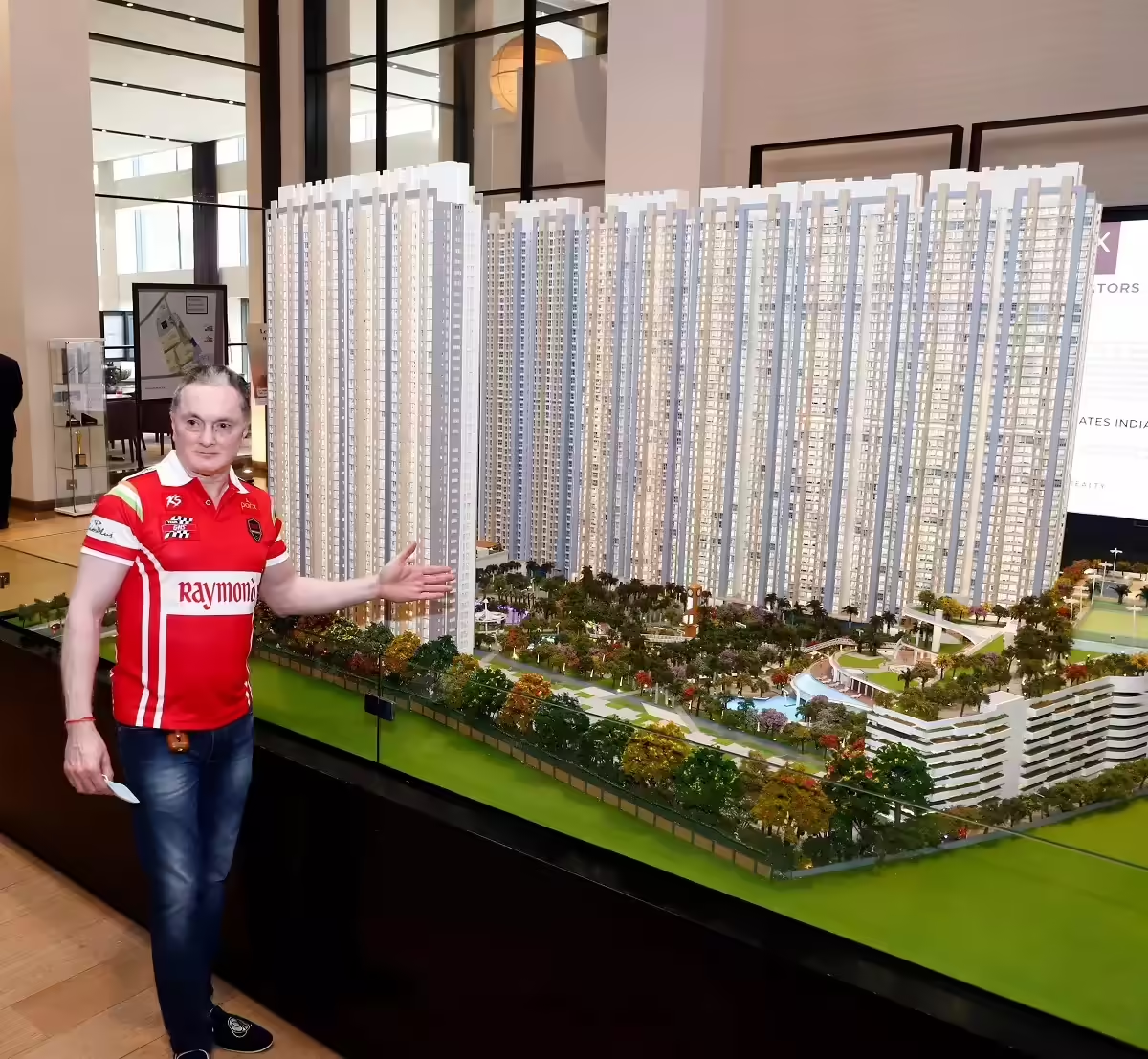
Raymond Realty Ltd – 15 Floors of Hype, Debt, and Demerger Drama
1. At a Glance
Raymond Realty is the latest offspring from the Raymond group — born in 2017, demerged in May 2025, and listed on July 1st, 2025. CMP: ₹607. Market cap: ₹4,040 Cr. P/E: a mind-boggling 237. This is not valuation, this is altitude sickness. The company owns a Thane land bank worth ~₹2.5 lakh crore in potential sales, but current profits? ₹17 Cr. Basically, they’re selling dreams of luxury flats while shareholders are paying DLF-level multiples for a company still figuring out RERA paperwork.
2. Introduction
In Bollywood, star kids get their own launch movie. In corporate India, they get a demerger. Raymond Realty was spun off from Raymond Ltd (the suitings uncle) into its own shiny entity. Investors got a 1:1 demerger ratio, and the stock listed with hype around Thane’s mega-land bank.
The pitch: aspirational, premium, luxury housing in Mumbai Metropolitan Region (MMR), plus high-profile JDAs in Bandra, Mahim, Wadala, and Sion. The reality: debt at ₹466 Cr, interest coverage at 1.3x, and working capital days that could put LIC claim settlements to shame.
Yet, the market went gaga because “land bank.” The story sells: 40 acres under development, 60 acres more approved, and a pipeline of 15+ projects. But execution in real estate is less about glossy brochures and more about cash flow discipline.
3. Business Model – WTF Do They Even Do?
Raymond Realty runs on three pillars:
Aspirational Housing (Ten X series) – 2BHK/3BHK towers marketed to middle-class dreamers. Think of it as “Raymond Suitings but in concrete.”
Premium Housing (The Address) – Fancy towers with larger homes, gym, pool, maybe a mini Starbucks downstairs.
Luxury (Invictus) – High-ticket 4.5BHK flats in Thane pretending to be South Mumbai. The buyer profile: HNIs who want more space for their imported Labradors.
The trick is combining owned land development in Thane with JDA tie-ups across Mumbai. JDAs reduce upfront land cost but eat into margins. So it’s basically a volume play with aspirational branding. In short: they’re selling dreams on EMIs, and the promoter has pledged 9.78% of shares to make the story look grander.
4. Financials Overview
Source table
Metric
Latest Qtr (Jun’25)
YoY Qtr (Jun’24)
Prev Qtr (Mar’25)
YoY %
QoQ %
Revenue
₹374 Cr
₹130 Cr
₹117 Cr
+188.7%
+219%
EBITDA
₹24 Cr
₹18 Cr
₹15 Cr
+33.3%
+60%
PAT
₹16.5 Cr
₹7 Cr
₹2 Cr
+135%
+725%
EPS (₹)
2.48
–
–
–
–
Commentary: Sales exploded 189% YoY, but that’s base effect — last year they sold more dreams than flats. PAT at ₹16.5 Cr is decent, but against a ₹4,000 Cr market cap, it’s like clapping for a kid who passed drawing class.
5. Valuation – Fair Value Range Only
P/E Method: PAT TTM = ₹17 Cr, EPS ~₹2.5 Industry P/E = 38. Fair Value = 2.5 × 38 = ₹95.
EV/EBITDA Method: EV = ₹4,488 Cr EBITDA TTM ~₹62 Cr EV/EBITDA = 72× (insanity). If repriced to industry 20× → EV = ₹1,240 Cr → Fair Equity Value ≈ ₹800–₹1,000 Cr → ₹120–₹150 per share.
DCF Method: Assume revenue CAGR 25%, margins expand to 18%, WACC 11%, terminal growth 4%. Fair Value ≈ ₹150–₹220.
Range: ₹95 – ₹220. CMP ₹607 is literally skyscraper pricing for a foundation-level builder.
⚠️ Disclaimer: This fair value range is for educational purposes only and is not investment advice.
6. What’s Cooking – News, Triggers, Drama
Q1 FY26 results: management guided for 20% growth, new launches, stable margins. Translation: “we’ll keep building brochures.”
JDAs signed across Mumbai: Bandra, Mahim, Wadala, Sion —