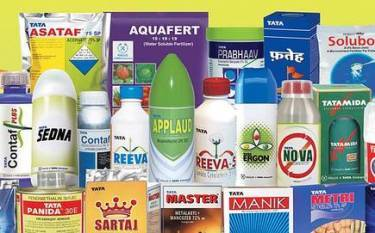
Rallis India — ₹6,773 crore cap, 97.9% profit jump, and a tax-drama side plot: Tata’s agro arm just found its monsoon
1) At a Glance
Rallis India (Tata Group’s agrochem/seed workhorse) just posted a thicc comeback quarter: revenue ₹957 crore (+22% YoY) and PAT ₹95 crore (+98% YoY). The previous quarter was a pothole (loss), but Q1 FY26 turned on the irrigation pump—OPM back to 16%. Debt is a rounding error (D/E 0.03), promoter stake a steady 55.1%. Yes, there’s a trail of tax notices and appeals, but also new capacity (8,000 MT water-soluble fertiliser) and a solar capex plan. Agrochemicals with Tata surname—what could possibly go wrong? (Plenty. We’ll investigate.)
2) Introduction
Picture a detective walking into a warehouse that smells like solvents and optimism. The board says “Seeds, Crop Protection, Nutrition.” The filing cabinet says “Tax appeals, CEO change, new plant commissioned.” The logo says TATA, which in desi finance often translates to “we’ll survive the cycle, thank you.”
Rallis has been the dependable but under-celebrated cousin in the Tata family WhatsApp group—showing up to work, missing a few targets, then suddenly sending a “Gym transformation” photo in Q1. After a string of sluggish years (5-yr sales CAGR ~3%, 5-yr profit CAGR negative), Q1 FY26 looks like an intervention: Sales up 22%, profit almost doubled, and operating margins back with a protein diet.
But the industry is moody. Pricing in off-patent molecules can swing like a smallcap on Budget day. Inventory normalization post the global agro downcycle isn’t finished. Meanwhile, Rallis is juggling seeds, formulations, and contract manufacturing—three plates in the air, one auditor watching closely, and a CFO side-eyeing the working capital days. The question: is this quarter a head-fake or a genuine green shoot? Keep your trench coat on.
Your move: If a Tata child promises “discipline + growth” after a messy FY25, do you believe them at face value, or do you check the pantry (cash flows) first?
3) Business Model — WTF Do They Even Do?
Rallis sits across the agri-input value chain:
Crop Protection (Agrochemicals): Formulations for herbicides, insecticides, fungicides—domestic + export.
Seeds: Field crops + vegetables; brand distribution into the Kharif/Rabi heartlands.
Plant Growth & Nutrition: Water-soluble fertilisers and specialty nutrients—just commissioned an 8,000 MT WSF plant (May ’24); capacity additions matter when demand revives.
CRAMS/Contract Manufacturing: For global corporations—asset-light-ish revenue with operating leverage if scale clicks.
Why it works (when it works): distribution breadth, brand recall with farmers, and the Tata halo for channel credit. Why it sometimes trips: global price erosion in generics, FX, monsoon vagaries, and seed performance variability. Also, this is a working-capital heavy sport: you book sales, then wait for the ecosystem to pay—meanwhile inventory days can behave like your Jio data after midnight.
Question for the comments: Between seeds (higher moat, slower) and formulations (faster, commoditising), which engine would you back for steady ROCE?
4) Financials Overview (Quarterly – Standalone)
Metric
Latest Qtr (Jun’25)
Same Qtr Last Year (Jun’24)
Previous Qtr (Mar’25)
YoY %
QoQ %
Revenue
957
783
430
22.2%
122.6%
EBITDA (Operating Profit)
150
96
-20
56.3%
N/M*
PAT
95.0
48.0
-32.0
97.9%
N/M*
EPS (₹)
4.89
2.47
-1.65
98.0%
N/M*
*QoQ % is not meaningful where the base is negative (turnaround from loss). Annualised EPS (run-rate) = 4 × 4.89 = ₹19.56. Witty audit note: Last quarter they were searching for profits with a magnifying glass; this quarter they tripped over them in the storeroom.
5) Valuation — Educational Fair Value Range (No Advice, No Drama)
We triangulate using P/E, EV/EBITDA, and a simple DCF on free cash flow. We purposely avoid a single “magic” number.
A) P/E Method
Annualised EPS (from latest quarter): ₹19.56
Reasonable band for an improving but cyclical agrochem + seeds player: 18× to 24×
Per-share value = EPS × Multiple = ₹352 to ₹469
B) EV/EBITDA Method
TTM EBITDA (Operating Profit TTM): ~₹340 crore
Net debt: ~₹63 crore (debt minimal; cash not assumed)
Share count: ~19.4 crore
Multiple band for recovering agro plays: 14× to 18×
EV = ₹4,760 to ₹6,120 crore → Equity Value = EV − Net Debt ≈ ₹4,697 to ₹6,057 crore
Per-share = ₹4,697–₹6,057 ÷ 19.4 ≈ ₹242 to ₹312
C) DCF (5-year, simple)
Base FCF band: ₹150–₹220 crore (consistent with recent operating cash trends; CMP/FCF ≈ 46 implies FCF ≈ ₹148 crore)
Equity value: ~₹2,100–₹4,750 crore → ₹110–₹245 per share
Putting it together (educational view)
P/E rewards the fresh turnaround (₹352–₹469).
EV/EBITDA stays conservative (₹242–₹312).
DCF punishes cyclicality and working-capital risk (₹110–₹245).
Edu range (blended lens):₹240–₹360, acknowledging upside if the annualised EPS sustains closer to the P/E band and cash conversion holds.
Disclaimer: This fair value range is for educational purposes only and not investment advice.
6) What’s Cooking — News, Triggers, Drama
Capacity & Products: Commissioned 8,000 MT WSF plant (Akola, May ’24); signals push in higher-margin nutrition.
Green Capex:Solar power plant plan (₹20–27 crore) announced Jan ’25—EBITDA lift via energy savings, also ESG points for show-and-tell.
Management:New MD & CEO, Dr. Gyanendra Shukla from Apr 1, 2024. Fresh leadership right before a repair year—timing that would make even screenplay writers nod.
Tax Theatre: Multiple income-tax demands and appeals during FY24–FY25; standard corporate life, but keep an eye on contingent liabilities.
Partnering/CRAMS: Longstanding contract manufacturing for global players—if orders scale in FY26, that’s operating leverage in a nice suit.
Macro trigger: Inventory destocking and price pressure in global generics were FY24 villains. A normal monsoon + channel restocking can turn FY26 into an actual story arc.
Your take: Do you give more weight to the WSF plant & solar savings narrative, or do tax appeals sap your enthusiasm?
7) Balance Sheet (Standalone)
Item (₹ cr)
Mar’23
Mar’24
Mar’25
Total Assets
2,798
3,003
2,974
Borrowings
137
134
63
Net Worth (Equity+Reserves)
1,749
1,829
1,904
Other Liabilities
931
1,040
1,007
Auditor’s sarcasm: Debt so low even your UPI wallet looks leveraged. But “Other Liabilities” (payables/provisions/contract liabilities) are solid—execution discipline will need to match the Tata surname.