1. At a Glance
If Indian cinema had a heartbeat monitor, PVR INOX would be the line graph doing cardio sprints every time a Shah Rukh Khan or Ranbir Kapoor movie releases — and promptly going flat during dry Fridays. At a market cap of ₹9,711 Cr, current price ₹989, and a bruising –14.4% return over the last three months, the stock is behaving like a matinee show nobody booked tickets for.
Yet, the business itself is very much alive. Q3 FY26 revenue came in at ₹1,880 Cr, with PAT of ₹130 Cr, a sharp YoY profit jump of 261%, and operating margins flirting with 33–34% in a good content quarter. Sounds sexy, right? Then you glance down and see Debt of ₹7,466 Cr, ROE at –4.18%, and interest coverage of just 1.09x. Suddenly the popcorn tastes a little stale.
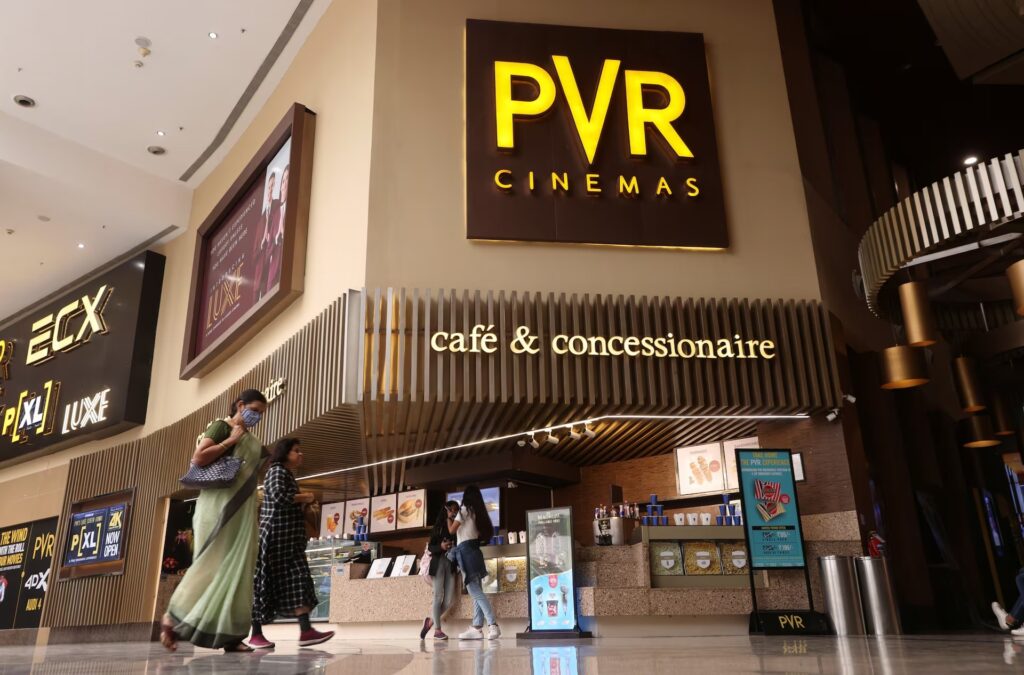
PVR INOX runs 1,763 screens across 111 cities, seating about 3.56 lakh people, with occupancy hovering at 27%. Translation: three out of four seats are still empty on average. Despite premiumisation, aggressive screen additions, and rising convenience fees, this remains a high fixed-cost, high-debt, content-dependent business.
So… is this a blockbuster turnaround or an interval before another disappointment? Let’s dim the lights and roll the reel.
2. Introduction
PVR didn’t just build multiplexes — it built modern movie-going culture in India. From converting a single-screen hall in Saket into India’s first multiplex in 1997, to today’s merged behemoth with INOX, this company has seen every phase: VHS to OTT, ticket queues to mobile apps, and now luxury recliners that cost more than your Netflix subscription.
But cinema is a cruel business. When content works, cash gushes. When it doesn’t, debt still collects interest on time. PVR INOX lives permanently on this knife-edge.
FY25 and early FY26 have been a mixed bag. Big-ticket Hindi releases, Hollywood franchises, and regional hits revived footfalls. At the same time, occupancy remains sub-30%
, meaning the infrastructure is underutilised. It’s like owning a five-bedroom bungalow and sleeping in one room while paying EMI on all five.
The management’s response? Premiumise aggressively, charge more per head, expand screens selectively, close loss-making locations, and milk convenience fees like a side hustle gone serious. Whether this cocktail leads to sustainable profitability or just prettier losses is what really matters.
3. Business Model – WTF Do They Even Do?
At its core, PVR INOX is a real estate-light, lease-heavy, experience-selling machine.
Here’s how money enters the popcorn tub:
- Movie Tickets (52% of FY22 revenue): The obvious one. Highly volatile. Depends on content quality, release timing, and whether OTT drops the same movie in six weeks.
- Food & Beverages (30%): The real margin hero. This is where PVR makes you pay ₹450 for nachos and thanks you politely.
- Advertising (6%): Brands paying to scream at you before the movie starts.
- Convenience Fees (6%): Charged for the privilege of booking tickets online. Zero popcorn, near-zero cost, pure dopamine for CFOs.
- Other Income (6%): Events, gaming zones, etc.
Operationally, PVR INOX doesn’t own most properties. It leases cinemas, locks itself into long-term fixed costs, and then prays to the box office gods every Friday. That’s why bad content quarters hurt disproportionately.
The recent pivot is towards premium formats
