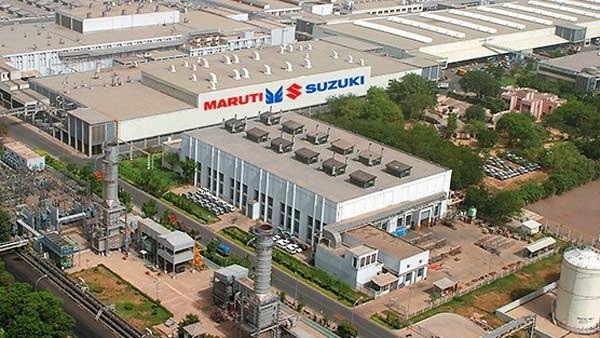
1. At a Glance – The King Still Owns the Road
If Indian roads had a permanent landlord, it would be Maruti Suzuki India Ltd. With a market cap of ₹4.67 lakh crore, a stock price of ₹14,877, and a 45% market share, Maruti isn’t just dominant—it’s borderline monopolistic with good manners. Q3 FY26 came in hot: quarterly sales of ₹49,904 crore, PAT of ₹3,879 crore, and a YoY sales growth of 28.7%. Profits grew a modest 4.08% YoY, which looks “meh” until you remember this is off a very high base and includes labour code impacts and SMG amalgamation noise.
ROCE at 21.7%, ROE at 15.9%, zero net debt, and liquidity that could embarrass some NBFCs. Over 3 years, the stock delivered 19.3% CAGR, even while being called “too expensive” every single year. The valuation at 31.6× P/E is not cheap—but neither is monopoly comfort. Question is: is this still a compounding machine or a mature cash cow in denial?
2. Introduction – How Maruti Became India’s Default Setting
Founded in 1981 as a JV between the Government of India and Suzuki Motor Corporation, Maruti Suzuki is no longer just Suzuki’s India arm—it’s Suzuki’s biggest subsidiary globally by volume. Today, Suzuki owns 58.28% of the company, and the rest is held by institutions who basically treat it like an index fund with airbags.
Maruti didn’t win India by being flashy. It won by being cheap, reliable, fuel-efficient, and everywhere. From Alto to Ertiga, from rural roads to urban parking nightmares—Maruti shows up.
While rivals fought over features, Maruti quietly built a 4,000+ service touchpoint network across 1,989 towns. Try beating that with Instagram ads.
BS-VI transition? Done before peers. Pre-owned cars? True Value dominates with 550+ outlets. Premiumisation? NEXA happened. Exports? Still small at 6%, but rising. This is not a story of disruption—it’s a story of relentless execution, and that’s why markets keep paying up.
3. Business Model – WTF Do They Even Do?
Maruti Suzuki designs, manufactures, and sells passenger vehicles, components, and spare parts. Simple? Not really.
The real model is volume + localisation + supplier control. Over 95% of components by value are sourced from Indian suppliers, which means Maruti controls costs like a hawk controls a mouse. Add flexible manufacturing and platform sharing, and you get operating margins that survive steel inflation, currency swings, and policy chaos.
Segment-wise, Maruti dominates:
- Passenger Cars: 62.6% share
- Utility Vehicles: 24.9% (the weak spot, slowly improving)
- Vans: 89.6% (Eeco is immortal)
Sales mix still screams mass-market:
- Compact cars: 53%
- Mini: 16.8%
- Utility Vehicles: 16.8%
