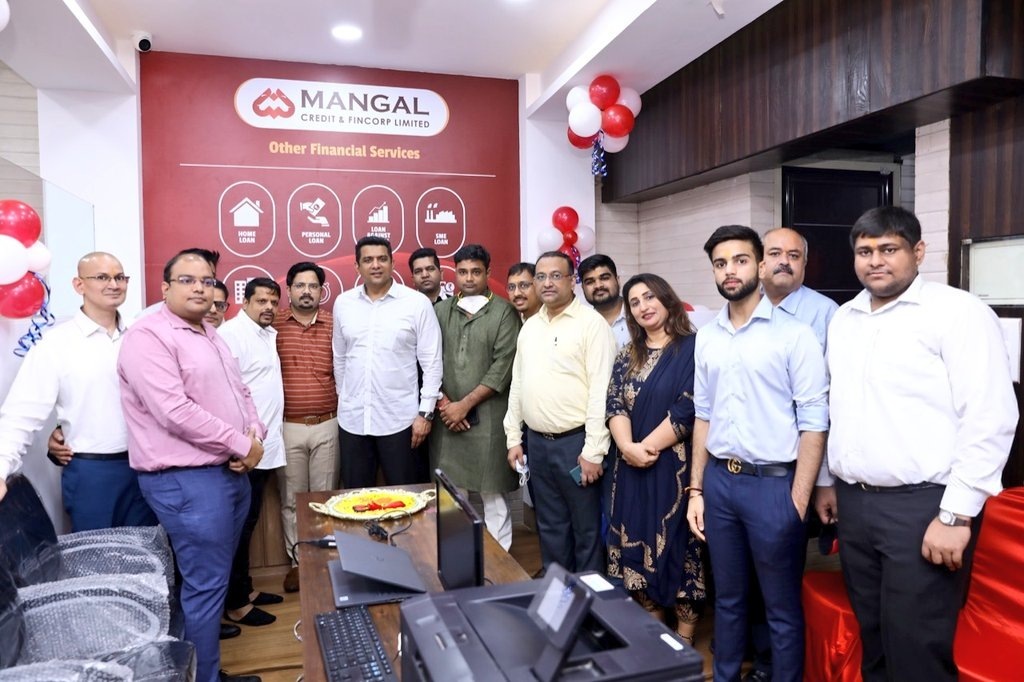
Mangal Credit & Fincorp Ltd Q2/H1 FY26 – Gold Loans Shine, Profits Slip, and the NBFC Tries to Go Full Fintech
1. At a Glance
Mangal Credit & Fincorp Ltd (MCFL), the small but loud NBFC from Mumbai, just dropped its Q2/H1 FY26 results, and oh boy, the numbers speak volumes — and maybe a bit of drama. The company, with a modest market cap of ₹366 crore, is trading at ₹171 per share with a P/E ratio of 29.8 and a book value of ₹74.8. It’s the kind of scrip that looks boring until you notice the 35.7% jump in quarterly sales and the equally dramatic 7.45% drop in profits.
MCFL’s business is a curious cocktail — gold loans (25%), MSME loans (49%), loans against property (24%), and a tiny 2% sprinkle of personal loans for those who still believe NBFCs process loans faster than your bank’s KYC OTP. Their latest quarter saw sales at ₹15.8 crore and PAT at ₹2.98 crore, proving they’re playing a long game in a short-credit world.
What’s interesting is how this NBFC — non-deposit-taking, non-systemically important — is hustling its way through the fintech race with digital underwriting, LOS & LMS automation (Nelito x DTS Japan), and a mobile app that lets customers apply for gold loans from their couch.
So, while big boys like Bajaj Finance are handing out crores faster than a wedding caterer hands out sweets, Mangal Credit is building its branch empire, one Badlapur at a time.
2. Introduction
Imagine running an NBFC where your biggest competition isn’t another lender but your customer’s neighborhood jeweler who also gives “instant gold loans” — minus the paperwork. Welcome to Mangal Credit & Fincorp Ltd’s world.
Founded in 2012, MCFL has evolved from being just another small-town lender to a digitally ambitious NBFC, spreading its wings across Maharashtra and Gujarat, with a total of eight branches — and a promise to set up more in Odisha and West Bengal.
But let’s not sugarcoat things. This is a classic small-cap lender that’s trying to act big. While its sales growth is a massive 35% YoY, profit growth has slipped by nearly 1%, and that tells us a story — rising costs, tighter interest spreads, and maybe a little too much ambition packed into one balance sheet.
Still, you’ve got to give them credit (pun fully intended). The management’s decision to go heavy on secured lending — raising the secured-to-unsecured ratio from 38:62 in FY22 to 49:51 in FY23 — is a smart, risk-cutting move. It’s like switching from crypto to fixed deposits but still pretending to be a fintech disruptor.
In short, Mangal Credit’s journey is that of a cautious dreamer — ambitious, expanding, digitizing, but still trying to prove it can handle the weight of its own gold bars.
3. Business Model – WTF Do They Even Do?
Mangal Credit is the kind of NBFC that refuses to stay in one lane. They do gold loans, SME loans, personal loans, and loans against property — basically, everything from “bhai thoda cash chahiye” to “I want to expand my factory.”
Gold Loans (25%): Instant money against jewelry. Interest rates are “low” (as per their marketing, not RBI definitions). The model is simple — small-ticket, high-frequency, and emotionally backed by mom’s bangles.
SME Loans (49%): Their largest vertical, targeting small and medium enterprises for working capital, machinery upgrades, and expansion. Loan size starts from ₹20 lakh. The risk? SMEs are like teenagers — unpredictable and always asking for more money.
Loan Against Property (24%): The secured lending portfolio that helps boost the asset book without adding to NPAs too fast.
Personal Loans (2%): Small-ticket, high-margin, quick-turnaround loans. Think of it as their pocket-money business line.
MCFL’s total portfolio of ₹1,610 crore (MSME ₹1,090 crore + Gold ₹405 crore) is decent for its size, and with digital onboarding, they’re attempting to become the “Mini Me” of Bajaj Finance.
The fun twist? They’ve teamed up with Nelito (DTS Japan) to implement LOS (Loan Origination System) and LMS (Loan Management System), which means less paperwork and faster lending — if the software doesn’t crash during disbursement.
They’ve also launched the Mangal Credit App — currently in beta mode for loan inquiries and gold loan doorstep service. If you ever dreamed of pledging your jewelry from your sofa, this app’s for you.
4. Financials Overview
Let’s crunch the latest numbers for Q2 FY26 (Sep 2025) compared to the previous and same quarter last year:
Metric (₹ Cr)
Latest Qtr (Sep 2025)
YoY (Sep 2024)
Prev Qtr (Jun 2025)
YoY %
QoQ %
Revenue
15.82
11.66
14.47
35.7%
9.3%
Operating Profit
11.49
9.00
10.82
27.6%
6.2%
PAT
2.98
3.22
3.00
-7.5%
-0.7%
EPS (₹)
1.41
1.65
1.53
-14.5%
-7.8%
Commentary: MCFL’s revenues jumped 36% YoY, but PAT fell 7.5%, thanks to rising interest costs (₹6.95 crore this quarter, up 59% YoY). So, while the company is expanding, its profitability is being mugged by interest expense. The OPM at 72.6% still looks impressive, but as every NBFC analyst knows, OPM is a mirage when your cost of funds keeps climbing.
5. Valuation Discussion – Fair Value Range Only
Let’s put on the valuation goggles:
EPS (TTM): ₹6.06
Stock Price: ₹171
P/E = 28.2x, vs industry average of ~21x
EV/EBITDA: 13.4x
Assuming a conservative fair value P/E range of 20–30x, the educational fair value range comes to:
₹120 – ₹180 per share.
This is for educational purposes only, not investment advice — unless you’re planning to pledge your gold to buy the stock.