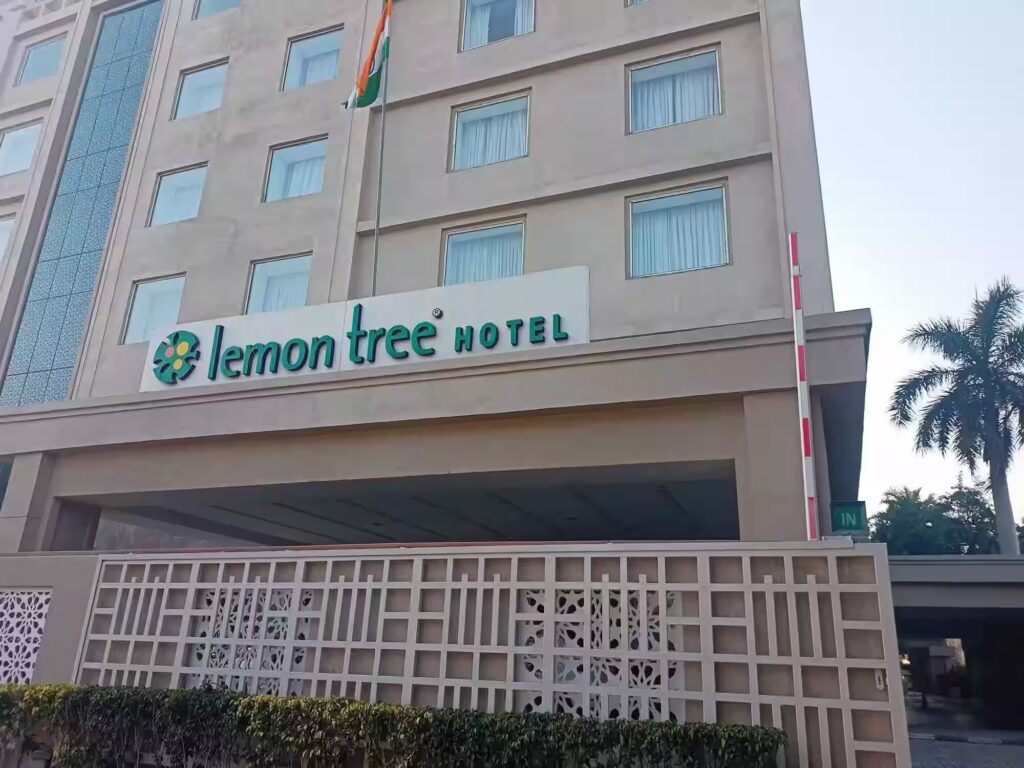
1. At a Glance – Check-in Starts Here
Lemon Tree Hotels is trading at ₹126, nursing a -21.7% return in 3 months, while quietly posting ₹406 Cr quarterly revenue and ₹82.5 Cr PAT in Q3 FY26. Market cap sits at a psychologically satisfying ₹9,999 Cr, because round numbers are clearly part of the branding strategy.
Operating margin? A spicy 50% in the latest quarter.
Debt? A very real ₹2,059 Cr, staring at you from the balance sheet like a minibar bill you didn’t order.
Occupancy for Q1 FY26 was 72.5%, ARR at ₹6,236, and RevPAR at ₹4,523 — which means rooms are selling, people are travelling, and corporate India is clearly not on Zoom anymore.
But here’s the plot twist: promoter holding is just 22.3%, while FIIs + DIIs together own almost the same amount as a political coalition. This is a professionally-run hotel chain now, not a family lodge near the railway station.
So the big question before you even scroll further:
Is Lemon Tree a hospitality cash machine… or a beautifully renovated leverage story?
2. Introduction – From Survival Mode to Swagger
There was a time when Lemon Tree was known more for losses than lemon water. Pre-COVID, COVID, and post-COVID — it has seen all three seasons of Indian capitalism.
Fast forward to FY26, and suddenly the same company is printing ₹280 Cr TTM profit, showing 34% TTM profit growth, and flaunting 48–54% operating margins like it’s Taj in wedding season.
The Indian hotel cycle has turned. Corporate travel is back. Weddings are back. Conferences are back. Even destination weddings are back — thanks to Instagram.
Lemon Tree’s timing? Impeccable.
But unlike luxury-heavy peers, Lemon Tree sits in the mid-priced sweet spot. Not too expensive, not too cheap — exactly where India’s growing
corporate and domestic traveller lives.
And now management wants to go asset-light, push hotels into Fleur, list that entity, merge Carnation back, and become a pure-play hotel operator.
Sounds clean. Sounds elegant. Sounds… complicated.
So let’s break it down calmly, before this turns into a shaadi buffet of confusion.
3. Business Model – WTF Do They Even Do?
In simple terms:
Lemon Tree sells sleep. And sometimes breakfast.
But structurally, the business has layers.
Brands:
- Aurika – Luxury & upscale (weddings + corporate offsites)
- Lemon Tree Premier – Upper-midscale
- Lemon Tree Hotels – Midscale workhorse
- Red Fox – Budget warrior
- Keys – Economy, still finding its footing
As of Q1 FY26:
- 226 hotels
- 18,431 rooms
- 50+ locations
- Presence in India, Bhutan, Nepal, Dubai
Revenue split FY25:
- Room rentals: 75%
- F&B + liquor + banquets: ~13%
- Management fees: 7.1% (this is growing fast)
The magic word here is management fees.
These come with high margins, low capex, and zero real estate headache.
Which is why Lemon Tree wants to:
- Push owned assets into Fleur Hotels
- Run hotels via Carnation
- Sit at the top as a brand + operator
In short:
Brick-and-mortar pain below, fee income party above.
4. Financials Overview – The Scorecard
